

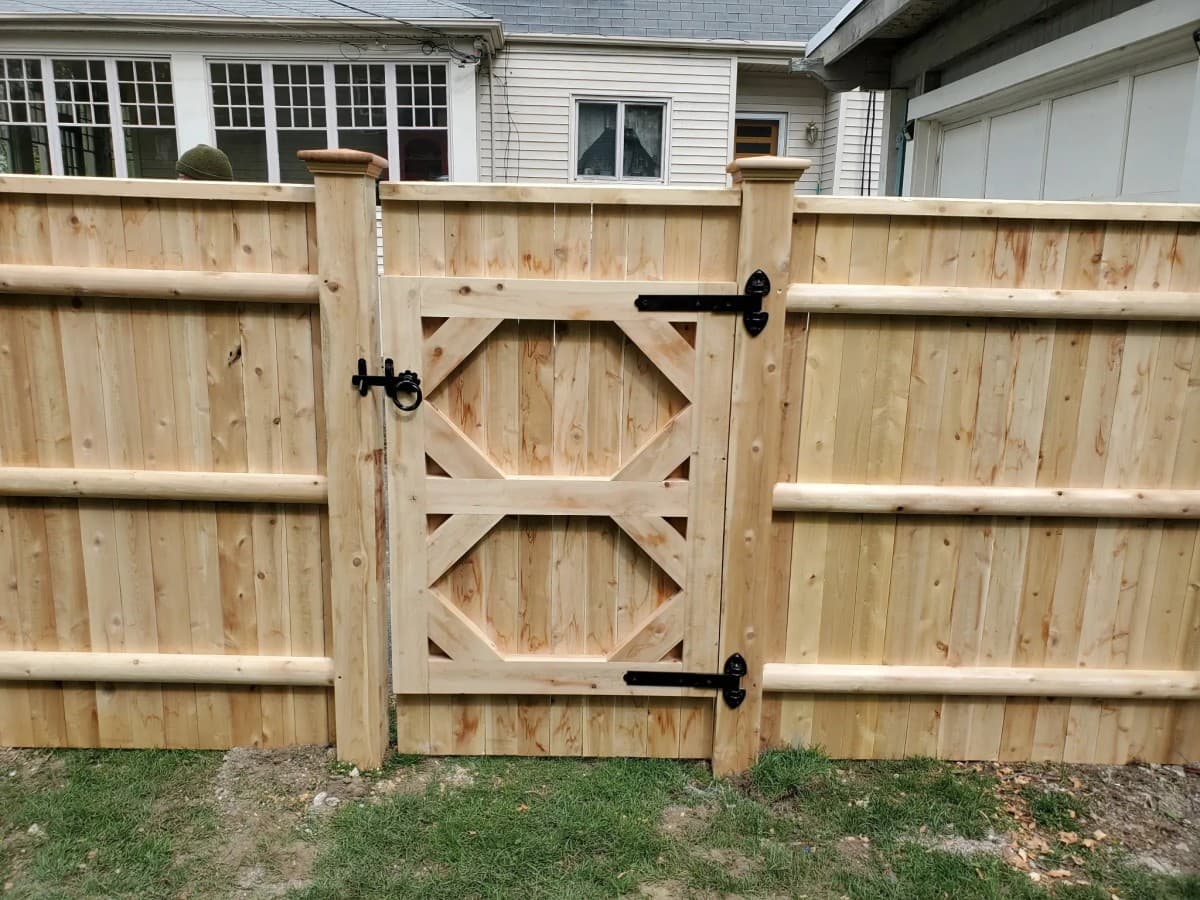
Privacy fence requests are climbing across Newburyport this summer, and Olympic Fence Co is booking installs earlier than in past years. The family-owned company, based in nearby West Newbury and serving the North Shore since 1985, says vinyl, cedar, and semi-private styles are leading the demand as more homeowners build out backyards, pool decks, and outdoor entertaining space.
A privacy fence looks simple from the street, but the decisions behind a good one are not. Coastal weather, frost depth, pool codes, property lines, and local permitting all shape what gets built and how long it lasts. Here are ten things worth knowing before the first post goes in the ground this season.
1. Salt air decides which materials actually last. Newburyport sits right off the Atlantic, and the salt in the air is hard on fencing not chosen with the coast in mind. Homes near Plum Island, Joppa, and the Merrimack River get the most exposure. Stainless or hot-dipped galvanized fasteners and quality gate hardware are what keep a coastal fence working years after the panels go up.
2. Vinyl privacy fencing is the low-maintenance pick. It resists moisture, will not rot, and holds its color without repainting. Quality varies, so wall thickness and reinforced bottom rails matter. Darker colors and woodgrain textures are now available, offering a more natural look.
3. Cedar brings a natural look with built-in resistance. The wood carries natural oils that help it shrug off insects and decay. Left alone, it weathers to silver-gray; sealed every few years, it holds a warmer tone. Many Newburyport homeowners see the upkeep as a fair trade for the look, especially on historic properties.
4. Semi-private styles handle coastal wind better. Spaced boards or lattice tops let air move through, reducing wind load on solid panels. This is a good middle ground for breezy corner lots or homeowners who want light and air in the yard.
5. Posts have to be set below the New England frost line. Frost can lift shallow posts, causing fences to go crooked. Proper depth and base are critical, and Newburyport's varying soil types require an installer who reads the ground before digging.
6. Pool decks come with barrier and gate rules. Massachusetts codes require minimum height, small gaps, and self-closing, self-latching gates. A privacy fence around a pool can meet barrier requirements if planned correctly.
7. Property lines and setbacks come before the first post. A survey or plot plan clarifies boundaries, and setback rules may apply. Corner lots often have sight-line restrictions to maintain driver visibility.
8. Newburyport permitting and historic district review are strict. Many fence projects need a permit, with height limits differing between front and back yards. Properties in historic districts may face additional review over style and materials.
9. Call Dig Safe before anyone digs. Massachusetts law requires marking underground utilities before digging. Homeowners and contractors call Dig Safe at 811 to avoid dangerous and costly hits.
10. Summer is peak season, so timing matters. Booking early secures a preferred install window and allows time for material selection, property line confirmation, permits, and historic review.
Olympic Fence Co, a second-generation family-owned company serving the North Shore since 1985, is a member of the American Fence Association. Owner James LaPierre said, "More families are putting money into their outdoor spaces, and privacy fencing is usually the first thing they ask about. We walk the property line with the homeowner, set posts below the frost line, and handle the permit questions up front."
Homeowners weighing a privacy fence this summer can visit Olympic Fence Co for a free on-site consultation.
