American Katerra, a steel fabrication company specializing in decarbonized supply chains, is establishing its headquarters in San Antonio, Texas, bringing green steel manufacturing to the region with plans for a factory opening in 2028. The company leverages expertise from its parent, Yamaguchi Heavy Industries of Tokyo, to reduce greenhouse gas emissions across the steel supply chain while creating new jobs in advanced manufacturing.
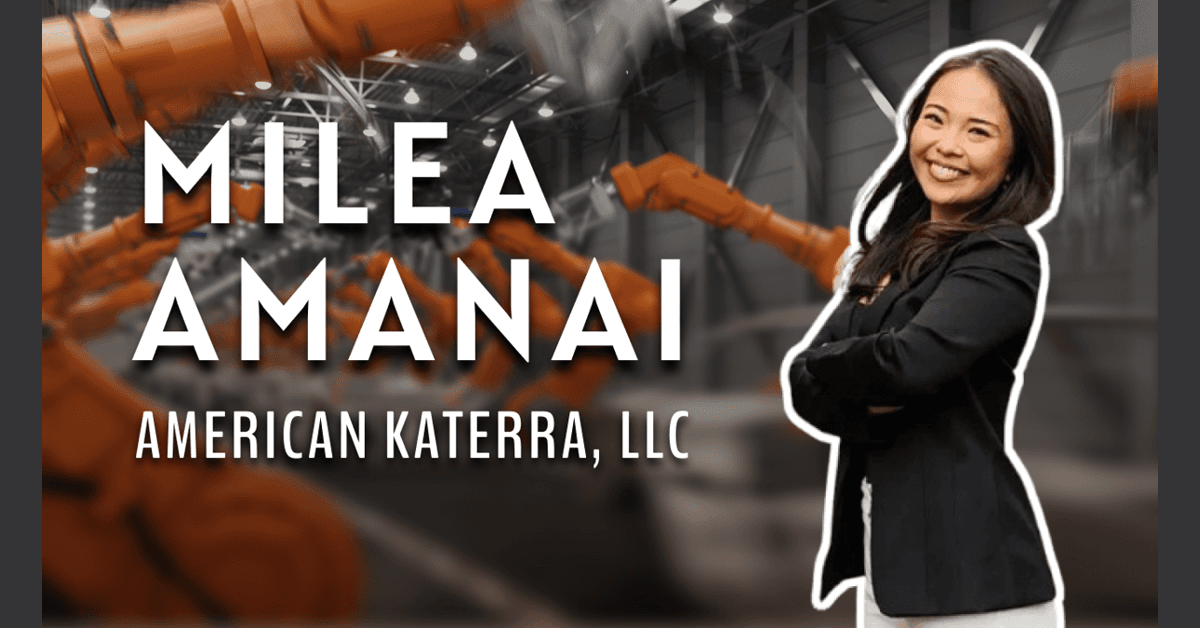
The company's core service involves calculating and significantly reducing greenhouse gas emissions from the steel manufacturing stage through to the construction site. Utilizing advanced Building Information Modeling software, American Katerra meticulously tracks and optimizes emissions, partnering with initiatives like EV trucking and anti-idling campaigns to achieve a greener carbon footprint for structural steel. "We are able to calculate the greenhouse gas emissions for the entire supply chain, from manufacturing to construction," said HR Lead Milea Amanai in a recent interview on The Building Texas Show. "Our goal is to decarbonize steel and build a greener Texas."
San Antonio was chosen for its strategic advantages, including Texas' zero corporate tax, a robust demographic of young, skilled talent from institutions like Alamo College District, and the region's strong ties to Japanese investment. Bilateral U.S.-Japan investment, supported by organizations like the Japan Bank of International Cooperation, further propelled the decision. "We are a steel fabricator focused on green carbon steel, aiming to decarbonize the entire supply chain from manufacturing to construction," Amanai emphasized.
American Katerra plans to open its first U.S. steel fabrication factory in San Antonio by 2028. This facility will focus on structural steel for AI data plants, warehouses, and commercial buildings, integrating advanced automated welding robotics alongside manual welders. The company projects global expansion, with plans to establish operations in Pittsburgh by 2030 and later in the United Kingdom. The move represents a significant development in sustainable construction materials, addressing one of the most carbon-intensive industries while creating engineering, design, and welding positions in the San Antonio region.
The establishment of American Katerra in San Antonio matters because it represents a tangible shift toward decarbonizing heavy industry while creating skilled manufacturing jobs. Steel production accounts for approximately 7-9% of global carbon dioxide emissions, making green steel initiatives critical for meeting climate targets. By bringing Japanese automated welding technology and emission-tracking expertise to Texas, the company could transform how structural steel is produced for data centers, warehouses, and commercial buildings across the southern United States. For the construction industry, this development offers a pathway to reduce the carbon footprint of major projects, while for San Antonio, it represents both economic development through job creation and positioning as a hub for sustainable manufacturing innovation.