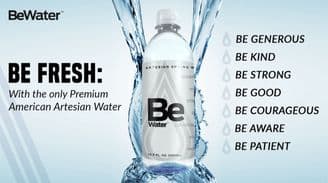
Greene Concepts Inc. is highlighting a growing consumer realization that not all bottled waters taste the same through its premium American artesian spring water brand, Be Water. The company emphasizes how natural sourcing, geological filtration, and mineral composition influence both taste and overall drinking experience, challenging the perception of bottled water as a uniform commodity product.
While many bottled waters originate from municipal sources and undergo processing for consistency, Be Water sources certified spring water from a responsibly managed artesian aquifer in North Carolina's Blue Ridge Mountains. The water undergoes natural filtration through billion-year-old bedrock, producing naturally mineralized spring water with a smooth, clean taste profile distinct from processed alternatives. This geological process contributes calcium, magnesium, and silica to the water without artificial additives.
Consumer perception is shifting as awareness of sourcing and ingredient transparency increases. Be Water's presence on Amazon has generated customer feedback frequently highlighting taste, smoothness, and drinkability as factors influencing purchasing decisions. Reviews describe the water as having "the most crisp clear taste" and tasting "fresh," reflecting broader consumer attention to origin and quality in everyday products.
Be Water represents a different approach that starts with nature rather than industrial processing, preserving naturally occurring minerals instead of purifying and rebuilding water. As more consumers explore premium hydration options, the brand benefits from increased awareness around water sourcing and quality. The water is bottled in Marion, North Carolina, using BPA-free packaging with durable 22-gram bottles designed for everyday hydration at accessible pricing.
In addition to Amazon availability, Be Water is sold through select national retailers including Walmart.com and select Walmart locations, with continued expansion across retail and e-commerce channels. The brand's philosophy centers on messages of freshness, mindfulness, and American craftsmanship, positioning it between luxury imported waters and commodity bottled tap water.
This shift from commodity to considered choice matters because it reflects changing consumer values toward transparency and natural products in the beverage industry. As taste and origin become key evaluation factors, companies emphasizing authentic sourcing and minimal processing may gain competitive advantage. The trend could influence broader industry practices toward greater sourcing disclosure and environmental stewardship, particularly regarding aquifer management and packaging sustainability.
For consumers, the implications include more informed purchasing decisions based on water origin and composition rather than brand marketing alone. The growing recognition of taste differences may elevate water from mere hydration to a sensory experience, similar to how consumers distinguish between coffee or tea varieties. This could drive demand for premium options while encouraging responsible water sourcing practices that protect natural aquifers like those in the Blue Ridge Mountains.