

Beijing's status as a "Dual Olympic City" is translating into a powerful economic engine, with a series of high-profile sports events during the National Day holiday drawing massive crowds and stimulating spending across the city. The China Open tennis tournament and the World Table Tennis (WTT) China Grand Smash, held concurrently for the third consecutive year, anchored what local officials are calling a "Golden Week of Sports Events." According to a press release distributed via Media OutReach Newswire, the events have expanded consumption scenarios and enhanced the visitor experience, showcasing the immense potential of the sports event economy.
The China Open concluded on October 6 with Novak Djokovic securing his seventh title after opponent Alex de Minaur retired due to injury in the first set. But the impact extended far beyond the court. The National Tennis Center's "second venue" featured big-screen viewing, official merchandise, and food and beverage outlets, blending competition with a relaxed holiday atmosphere. Yin Xufei, head of the China Open officially licensed merchandise store, reported that each of the two stores at the north and south ticket gates received over 10,000 visitors per day during the holiday, with nearly a thousand products available to give fans a tangible memory of the tournament.
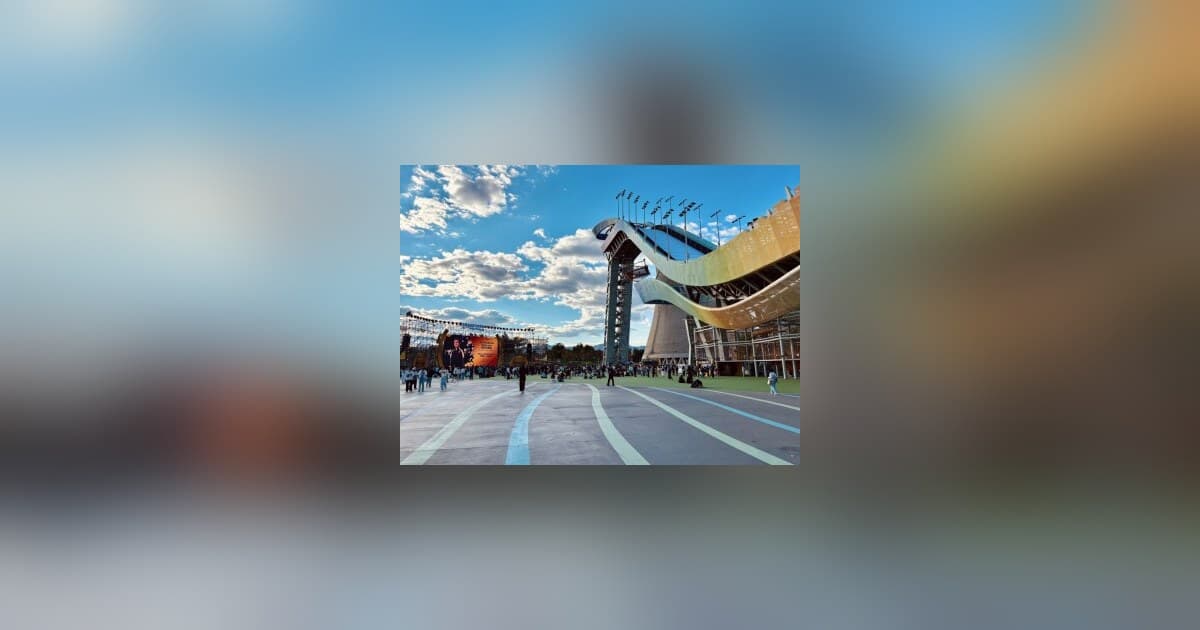
Meanwhile, Shougang Park in Shijingshan hosted the WTT China Grand Smash, an industrial-style venue that echoed the tennis excitement. Fans like Gao Yize from Xinjiang noted that visitors could spend an entire day at the park, enjoying dining, markets, and souvenirs while soaking in the festive blend of table tennis and National Day celebrations. The official licensed store offered a tournament-themed T-shirt that doubles as a "walking ticket stub," granting exclusive discounts at hundreds of partner merchants in Shougang Park, Yongdingheji, Moshikou Historical and Cultural Street, and other locations. This innovative approach to the "ticket stub economy" encourages visitors to explore the city and spend more.
The sports events were not limited to these two major tournaments. The Beijing Yizhuang GT World Challenge attracted over 26,000 spectators, with an automobile-themed carnival driving growth in surrounding dining, retail, and accommodation spending. In Miyun, the China Men's 3x3 Basketball League Championship linked cultural tourism resources and key commercial districts, opening the "Chao San" Market that brought together over 30 merchants offering local specialties like Miyun's Three Roasts and intangible cultural heritage "loufen" (starch noodles). Fans could enjoy food and buy local products after games, further integrating sports with tourism.
These events collectively demonstrate how Beijing is leveraging its Olympic legacy to create a sustainable sports event economy. By embedding holiday cultural tourism scenarios into sports events, the city is expanding consumption opportunities and enhancing the visitor experience. The "Dual Olympic City" is not just a title; it is a strategic asset that drives economic activity across multiple sectors, from retail and dining to accommodation and cultural tourism. As cities worldwide seek to harness the power of sports for economic development, Beijing's model offers a compelling case study in how to activate the sports event economy on a grand scale.
