Blue Ridge Therapeutic Wilderness, a renowned outdoor therapy program for adolescents, has announced a significant enhancement to its treatment approach. The organization is introducing biweekly overnight stays at a bunkhouse, integrating indoor programming with its established outdoor experiences for adolescents aged 12-17.
This new initiative aims to provide a more comprehensive and balanced approach to adolescent care. While maintaining the core benefits of outdoor immersion, which has been shown to help students regulate emotions, build resilience, and develop meaningful connections, the indoor component adds a new dimension to the therapeutic process.
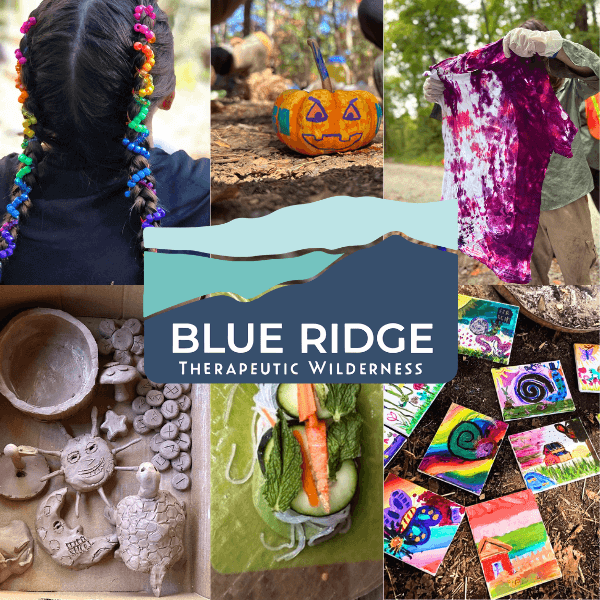
During their time indoors, students will engage in creative intensives designed to foster personal expression and skill development. Activities such as jewelry making, pottery, nature-inspired art projects, and gourmet cooking offer opportunities for self-expression and reflection in a supportive environment. These projects also facilitate therapeutic conversations in a low-pressure setting.
The bunkhouse experience is tailored to provide both physical and emotional comfort, allowing students to enjoy amenities such as hot showers, traditional beds, and family-style breakfasts. This intentional break from outdoor activities enables students to recharge and prepare for their next adventure while catching up on practical tasks like laundry and backpack organization.
The indoor setting also allows for more complex projects requiring electricity, hot water, or specialized tools, expanding the range of therapeutic activities available to students. Free from the demands of camp chores, students can engage with deeper aspects of their subconscious, supported by a caring and professional team.
This enhancement to Blue Ridge Therapeutic Wilderness's program represents a significant development in adolescent mental health treatment. By combining the restorative power of nature with structured indoor activities, the organization is creating a more holistic approach to therapy that addresses the diverse needs of adolescents struggling with mental health issues.
The integration of indoor and outdoor experiences may set a new standard for wilderness therapy programs, potentially influencing the broader field of adolescent mental health treatment. As families seek comprehensive care options for their loved ones, this balanced approach could provide a model for other programs looking to enhance their therapeutic offerings.