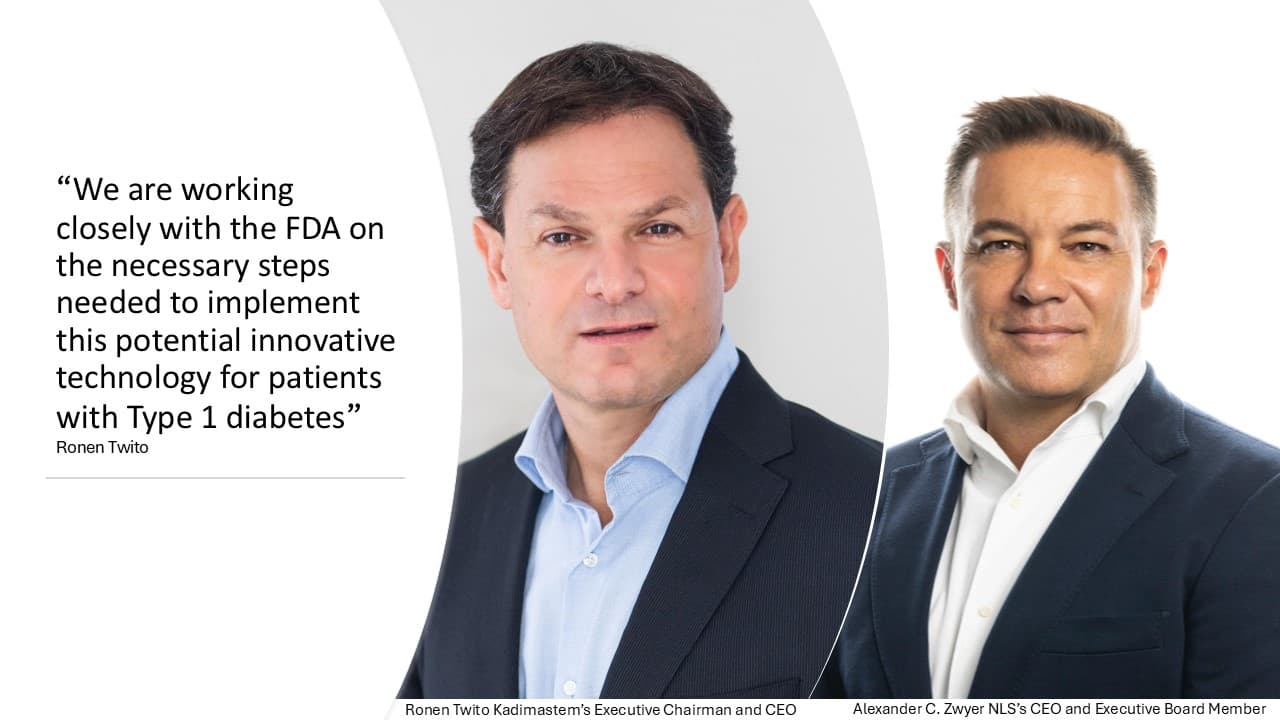
Pharmaceutical companies Kadimastem and iTolerance have reached a critical milestone in developing a potential breakthrough treatment for Type 1 diabetes. The companies recently completed a Type B pre-IND meeting with the U.S. Food and Drug Administration regarding iTOL-102, an investigational biologic that combines stem cell-derived pancreatic islets with an innovative immunomodulator.
The proposed treatment, iTOL-102, represents a potentially transformative approach to diabetes management. Unlike current therapies, this experimental treatment aims to provide a cure that would not require patients to undergo lifelong chronic immune system suppression. In preclinical testing at the Diabetes Research Institute, the treatment demonstrated functional insulin release and disease reversal in animal models.
The FDA's preliminary feedback is crucial for advancing the research. Based on the meeting's outcomes, Kadimastem and iTolerance will update their development plans, including preparing for a safety toxicology study and designing a first-in-human clinical trial. The collaboration is partially funded by grants from the Israel-U.S. Binational Industrial Research and Development Foundation.
At the core of the treatment is iTOL-100, an immunomodulatory microgel technology designed to reduce or eliminate systemic immunosuppression after cell transplantation. When combined with Kadimastem's IsletRx cells—human stem cell-derived pancreatic islets capable of producing insulin—the approach offers a promising alternative to current diabetes treatments.
The potential impact extends beyond individual patient care. By providing a scalable source of insulin-producing cells, this technology could address the critical shortage of donor islets for transplantation. If successful, iTOL-102 could represent a significant advancement in regenerative medicine and diabetes treatment.