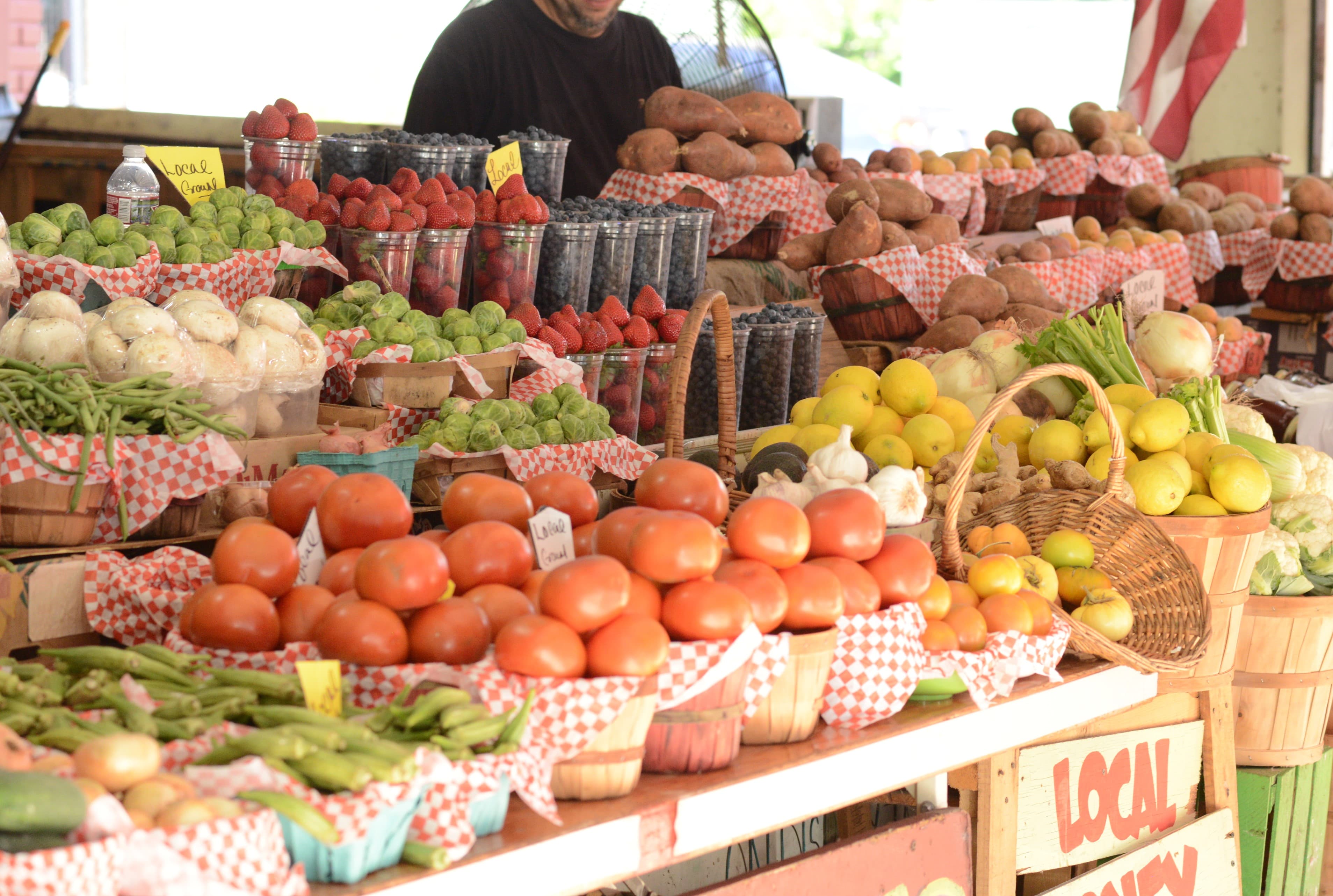
With nearly 60% of Americans citing food costs as a barrier to nutritious eating, the American Heart Association has developed strategic recommendations for maintaining heart-healthy diets on a budget. Registered dietitian Arlen Vanessa Marin suggests simple swaps can dramatically reduce expenses while preserving meal quality and nutrition.
Protein alternatives emerge as a key strategy for cost-conscious consumers. Legumes, tofu, tempeh, and lean ground poultry provide affordable, nutrient-dense options compared to traditional meat products. Beans can be incorporated into soups, stews, and salads, while plant-based proteins offer versatile meal solutions.
Grain selections also play a crucial role in budget-friendly nutrition. Brown rice, quinoa, and barley present healthier alternatives to white rice, offering higher fiber content and better blood sugar management. These grains can be easily integrated into various dishes, enhancing nutritional value without significantly increasing meal preparation complexity.
Frozen, canned, and dried foods represent another cost-effective approach to maintaining nutritional intake. These options provide comparable nutrient profiles to fresh produce while reducing food waste and extending shelf life. The organization recommends selecting low-sodium and no-added-sugar variants to maximize health benefits.
Practical storage techniques for perishable items like avocados can further reduce food expenses. Strategies such as purchasing produce at optimal ripeness, refrigerating to slow deterioration, and freezing excess portions help consumers maximize their grocery investments.
The recommendations underscore a broader message: healthy eating need not be financially prohibitive. With strategic planning and informed choices, individuals can prioritize nutrition without compromising their budget.