

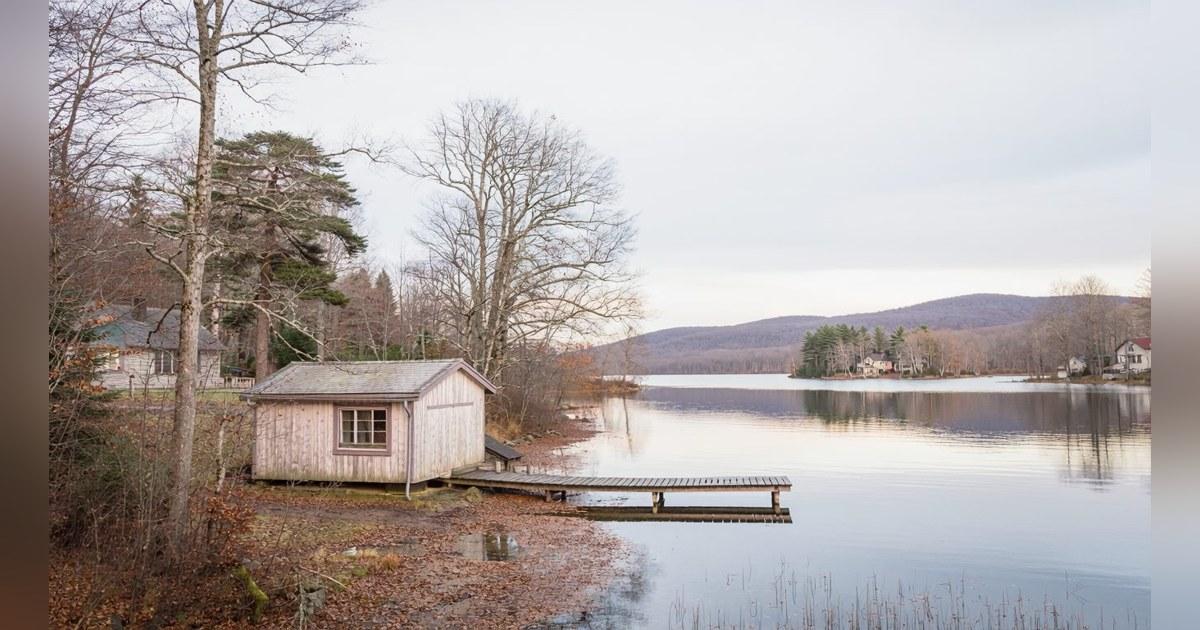
Nearly one in five waterfront closings on Conesus Lake in Livingston County, New York, occurs between November and February, according to NYSAMLS data for 2024 to 2026. That seasonal activity challenges the common assumption that winter real estate transactions come at a discount. While the median winter sale price of roughly $527,000 sits nearly $300,000 below the summer median of about $820,000, the gap reflects what sells in colder months rather than what buyers pay, according to Matthew Sharman, team leader of The Sharman Team at Real Broker NY LLC.
Smaller homes and properties needing renovation tend to trade in winter, while premium properties wait for spring, Sharman says. The more telling figure is that winter buyers on Conesus paid a median of 101.6 percent of asking price across eight waterfront closings last winter, a sign of sellers achieving their number even in a season when conventional wisdom suggests concessions. “Winter is not a bargain-hunting environment, necessarily,” Sharman says. “The lower winter median does not mean that every lake house will go on sale in January.”
The broader market supports that view. Over the past twelve months, Conesus Lake saw 45 closings, a median price around $701,000, and an average of eight days to sell, with only three homes actively listed at present. Such tight inventory does not generate bargains in any season. Sellers listing in winter have their own reasons, Sharman notes. “A winter listing tells you when the seller entered the market, but it doesn’t tell you what they’ll accept,” he says.
Practical considerations also drive winter activity. A property needing significant work can list in late fall, find a buyer who brings in a contracting crew over four or five months, and be ready for use by May. A buyer purchasing the same property in April loses that summer entirely.
Winter changes what a showing can reveal. It exposes utility—heating comfort, drafts, driveway access, and drainage during warm spells—but conceals physical condition, as snow masks grading, roofs, and exterior defects, and docks are out of the water. “Summer shows you how a lake house entertains,” Sharman says. “Winter shows you how it lives.” His response is a showing plan built around the season, looking deliberately at what winter exposes and treating what it hides as a matter for an inspection contingency rather than a judgment made through snow cover.
For owners aiming at a spring listing, Sharman says the work starts in November and starts with condition. He is seeing more selectivity from buyers than at any point he can remember. His process, called the MORR Report™ for Market Optimized Renovations and Repairs, sorts property work into three tiers: must-dos with the highest return, work that still meaningfully affects the sale, and polish that is not worth the money. “You only get one shot at a listing,” he says. Once photographs are published and first showings occur, that is the property’s debut, and problems fixed afterward arrive with momentum already gone. He estimates that the final 10 to 20 percent of difference in what a lake listing achieves comes down to marketing, especially as nearly every buyer looks online before scheduling a showing. “Your spring listing really starts in the winter,” Sharman says. “That’s when you fix things that a photograph can’t.”
The implications for buyers and sellers are clear: winter transactions on Conesus Lake are not a clearance event, and spring sellers who delay preparation may forfeit their best chance at a premium price. With inventory tight and buyer scrutiny high, the season sets the context but does not dictate the strategy.
