

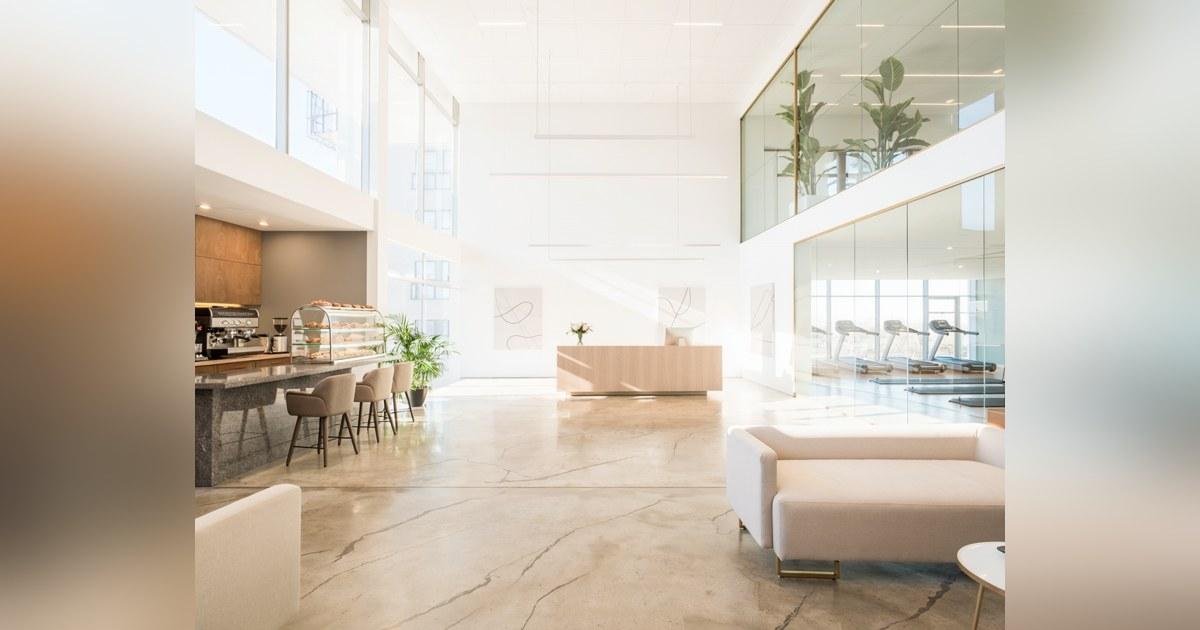
When professionals join a coworking space, they encounter a finished product: a desk, a meeting room, and coffee ready to go. What they rarely see is the daily work required to keep that running for people from many different companies. Jerome Chang, founder of BLANKSPACES, one of the oldest coworking brands in America, says the biggest difference between a coworking operator and a traditional landlord is when the work happens.
Onboarding depends on what a member books. Reserving a meeting room is simple, but a monthly membership is closer to moving into an apartment. The operator must confirm the member's identity, issue keys, sort out parking, and accommodate setup requests. For teams, the operator confirms one authorized point of contact so a random employee cannot change the company's plan. Members are also asked, though not required, to share emergency contact information and details such as allergies. If someone has an asthma attack at their desk, staff need to know what to do. Many members provide this, but when they do not, Chang said the team is "running blind."
Then there is the financial and legal setup for each membership. This is where coworking and traditional leasing diverge. A landlord does most of the work before move-in: financial due diligence, approving who signs the lease, and handing over the keys. After that, the landlord usually has no idea whether 50 or 100 people are using the space, or what hours they keep. "Once the membership starts, we actually get much more involved," Chang said.
The first layer of daily operations is restocking coffee beans, toilet paper, napkins, and the many small supplies people expect to find without thinking about it. The next layer is harder to plan for. "Five percent of the community is the highest maintenance. They take up 95 percent of our time," Chang said. He shared a recent example. One BLANKSPACES location has a gym with showers, and the team stocks shampoo, conditioner, and soap in every stall. In the men's showers, someone kept taking the bottles every week. The team installed dispensers screwed into the wall. The person simply untwisted the bottle and took it anyway, so the team had to buy replacements again. The cost is only part of the problem. Staff now check that shower every day. When supplies run out, the next few members assume operations dropped the ball, when one person was the cause. "It just takes that one person," Chang said.
Most coworking spaces host people from many companies under one roof, each with their own schedules and expectations. Chang says there is no formula for managing that. "You just learn and you just evolve your ops to handle that," he said. The challenge grows with size. "The bigger the space, the bigger the variety. And the tougher the ops are." He compares it to running a hotel. On a Thursday, business travelers are still in the building while weekend tourists start checking in, and those are two very different groups. When a major event comes to town, a hotel used to serving mostly business guests may suddenly be full of visitors. Staff have to adjust quickly, and experience is what makes that possible.
Structure matters too. Chang says bringing on a director of operations changed how he runs the company, following the familiar business advice to work on the business rather than in it. She now handles HR and staff management, which has given Chang more time for new locations and the financial side of the business. Members never see that structure, but it sits behind their experience every day.
Knowing what happens behind the scenes points to a few simple things members can do. Name one point of contact for your team, so plan changes and billing questions go through a single person. Share emergency contact information during onboarding, even though it is optional. It helps staff respond quickly if something goes wrong. If you have specific setup needs for day one, ask for them up front. When something runs out or breaks, tell the staff rather than assuming they already know. As the shower example shows, the cause is not always what it seems. It also helps to read the house rules before your first day. BLANKSPACES, for example, posts its space rules online so members know what to expect in a shared environment.
A coworking membership includes much more ongoing service than a traditional lease, and that is a large part of its value. The more members understand what goes into it, the smoother the space runs for everyone. BLANKSPACES is one of the oldest coworking brands in America, founded in Los Angeles in 2008 by architect Jerome Chang. It is now the largest coworking brand in Southern California, built on a partnership model that shares risk with landlords rather than relying on a traditional lease.
