

Homeowners in Wayne, Malvern, and West Chester confronting deer-damaged shrubs face a choice between replanting and protection, and a new analysis from Deer Solution of the Main Line connects 2026 cost estimates with local fencing requirements to show why protecting an established landscape involves more than setting aside a budget for replanting.
Deer-related conflicts cost an estimated $2 billion per year across the United States, according to a 2014 Cornell University Cooperative Extension report. A 2016 Rutgers Extension article cites studies estimating average landscape damage of $200 to $800 per single-family household and notes that residential plantings serve as a high-quality food source for deer. These figures reflect national and historical data, not measurements specific to 2026 Main Line losses.
For homeowners, ornamental shrubs, flowers, and specimen trees can represent years of investment, and even smaller replacement plants require time to mature and fill in. Fencing represents a different scale of expenditure. Angi's deer-fencing guide lists one 500-linear-foot, 8-foot-high configuration at an average installed cost of $7,000, with a range of $4,500 to $11,000. The upper figure is not an average, and actual costs vary based on configuration and site conditions.
Based on field experience, Deer Solution notes that deer can still clear an 8-foot fence, and dependable exclusion generally requires a fence approximately 9 feet tall. Gates, visual appearance, and ongoing maintenance are additional factors. Rutgers' March 2026 fencing guidance for vineyards advises routine inspection of fences and gates, since damage or an open gate can allow deer to access a protected area.
Local regulations can further shape a fencing project. Radnor Township requires a zoning permit for new and replacement fences and mandates a traffic-safety review for corner lots. The township's zoning code sets stricter front-yard fence-height limits in R-4 and R-5 districts than the general standard. Homeowners are advised to confirm what their specific property allows before committing to a fencing design, as a budget alone does not determine whether a proposed enclosure meets local requirements.
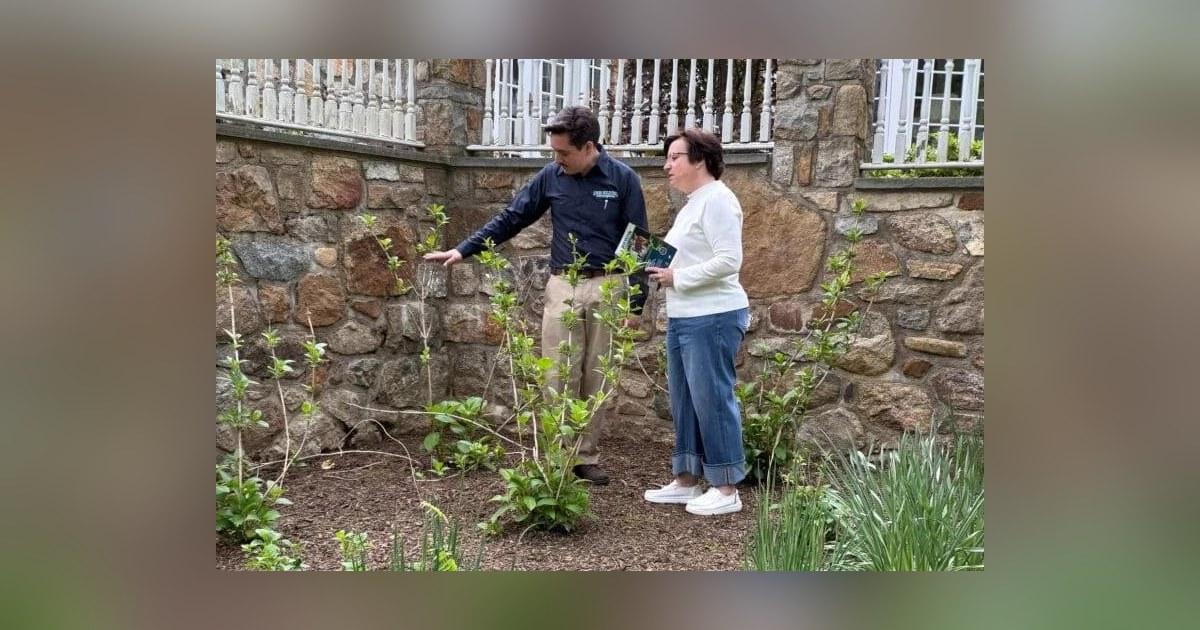
For properties where fencing is impractical, Deer Solution offers recurring professional repellent treatments designed to reduce deer browsing. The service is formulated to be family-friendly, pet-friendly, and environmentally considerate. A Certified Deer Damage Expert reviews each property's plantings, existing damage, goals, and deer pressure before recommending a customized program. Trained technicians carry out the treatments, and the local team works with the homeowner to adjust the program as conditions change.
"Homeowners invest years in landscaping that deer can undo in a season," said Joe Garzio, Owner at Deer Solution of the Main Line. "Our Certified Deer Damage Expert team builds a treatment plan around each property's specific deer pressure and adjusts it as conditions change. Consistent professional treatments help protect the plants homeowners care about throughout the year." The company supports its ongoing service with a Satisfaction Guarantee; specific terms and conditions apply.
The implications extend beyond individual gardens. As deer pressure persists in suburban environments, homeowners weighing fencing against repellents must account for installation costs, zoning constraints, and long-term maintenance. For the landscaping industry, the analysis underscores growing demand for professional services that address deer damage without the capital and regulatory hurdles of fencing. Homeowners can schedule a free consultation and estimate with Deer Solution of the Main Line or learn more at deersolution.com.
