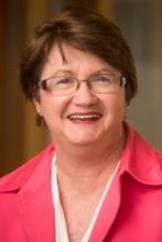
Dr. Virginia J. Howard, distinguished professor at the University of Alabama at Birmingham (UAB), has been selected to receive the 2024 Population Research Prize at the American Heart Association's Scientific Sessions. The award recognizes Dr. Howard's extensive contributions to stroke research, particularly her work on understanding disparities in stroke incidence and risk factors across different populations.
Dr. Howard's research has focused on long-term studies examining health disparities, cognitive functioning, and stroke risk factors, including sex differences. She is the lead stroke epidemiologist for the REasons for Geographic And Racial Differences in Stroke (REGARDS) study, a nearly 25-year cohort study investigating why there are higher rates of stroke deaths among Black adults compared to white adults in the U.S., and higher rates in the southeastern U.S. 'Stroke Belt.'
Her findings from the REGARDS study have been influential in the field. In 2013, Dr. Howard published research showing that living in the Stroke Belt during one's teenage years was associated with a higher risk of stroke, with the risk being about two-fold higher for Black participants compared to white participants. More recent findings in 2020 suggested that living in the Stroke Belt as a child or young adult may be associated with higher risks of cognitive impairment later in life, regardless of where one lives in adulthood.
Dr. Howard's work extends beyond REGARDS. She has been a lead clinical trial epidemiologist for five major stroke prevention multicenter clinical trials and is one of the founders of PRevention and Outcomes in Women Enhancing Stroke Support (PROWESS), a working group focused on raising awareness of stroke in women and increasing the enrollment of women in stroke-related clinical trials.
The recognition of Dr. Howard's work highlights the importance of population-based research in understanding and addressing health disparities. Her studies have provided crucial insights into how early life factors, sex, race, and geographic location influence stroke risk, paving the way for more targeted interventions and prevention strategies. This research is particularly significant given the persistent disparities in stroke outcomes across different demographic groups in the United States.
As stroke remains a leading cause of death and disability worldwide, Dr. Howard's work contributes to the broader effort to reduce its impact through better understanding of risk factors and disparities. The award not only recognizes her past achievements but also underscores the ongoing importance of epidemiological research in addressing major public health challenges.