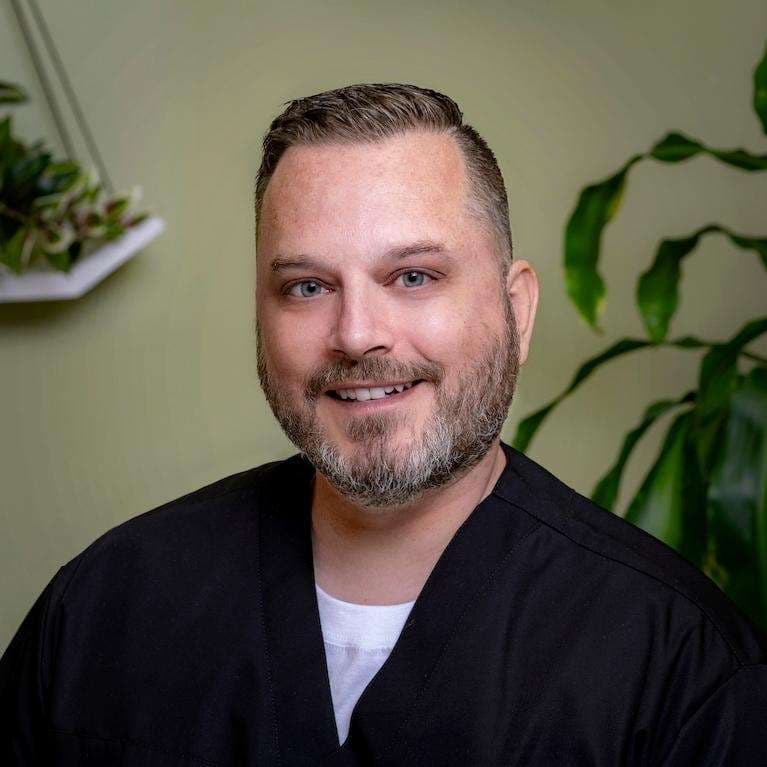
Dr. Demian Woyciehowsky, DMD, a dentist in Camas, Washington, has received credentials to provide oral appliance therapy for veterans suffering from sleep apnea. This development, announced by dental sleep medicine leader apZme, marks a significant expansion of treatment options for veterans in the Camas, Washougal, Vancouver, and greater Portland area.
The credentialing allows Dr. Woyciehowsky to offer his services through Millennium Sleep Lab and Sleep Impressions, both apZme companies that serve as National Community Care Providers for the VA. This partnership addresses the growing demand for alternative sleep apnea treatments, particularly for veterans who cannot tolerate CPAP devices.
Sleep apnea, a condition that affects millions of Americans, including many veterans, can have serious health implications if left untreated. Oral appliance therapy offers a non-invasive alternative to traditional CPAP machines, potentially improving treatment adherence and outcomes for veterans struggling with this sleep disorder.
Dr. Woyciehowsky's inclusion in the Community Care Network means that veterans in Southwest Washington and the greater Portland area can now access oral appliance therapy as a covered benefit. This expansion of services is particularly crucial given the reported shortage of providers in the region capable of offering such specialized care.
The collaboration between apZme, Sleep Impressions, Millennium Sleep Lab, and the VA represents a concerted effort to improve sleep health care for veterans. By offering alternative treatments, these organizations aim to enhance the quality of life for veterans suffering from sleep apnea, a condition that can significantly impact overall health and daily functioning.
This development aligns with broader trends in healthcare that emphasize patient-centered care and the expansion of treatment options. For veterans, who often face unique health challenges, having access to a range of sleep apnea treatments can be particularly beneficial.
As the network of providers offering these services continues to grow, it may lead to increased awareness and diagnosis of sleep apnea among veterans, potentially improving health outcomes for this population. The expansion of these services in the Pacific Northwest could serve as a model for similar initiatives in other regions, further expanding access to specialized sleep care for veterans nationwide.