

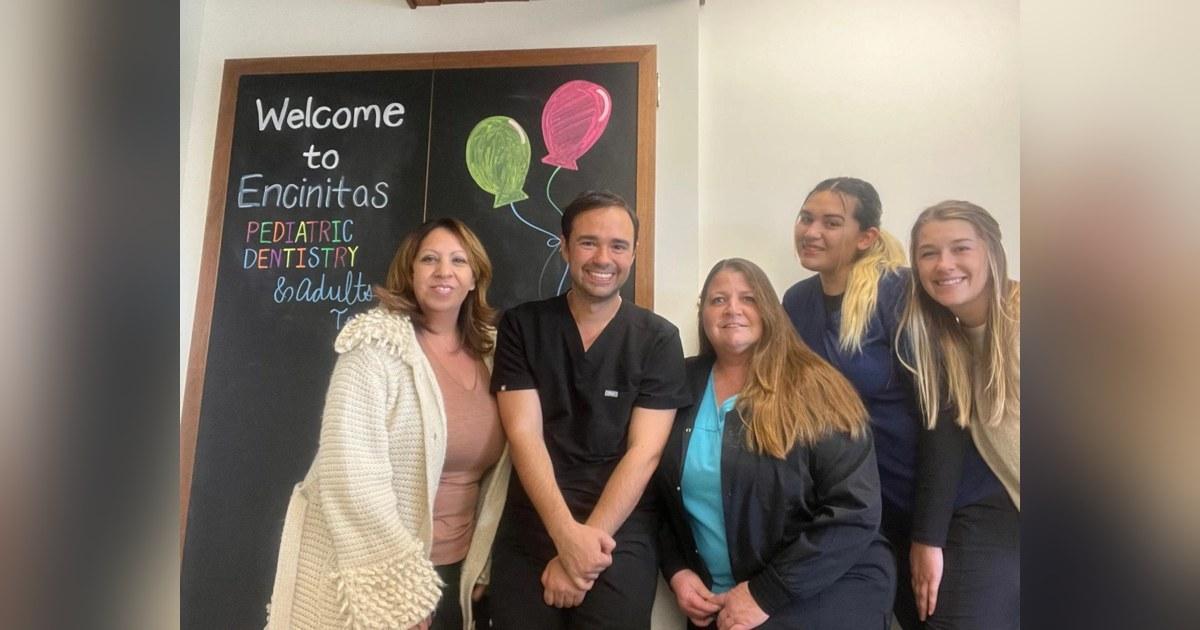
When a child needs a tooth removed, parents often have questions about why it's necessary and what the recovery will involve. Encinitas Pediatric Dentistry & Orthodontics has outlined its clinical approach to childhood tooth extractions, clarifying for local families when removal becomes unavoidable, what the procedure entails, and how to support a child's recovery at home.
Dr. Spencer Mauseth and Dr. Avi Willis treat tooth extractions as a measure taken only after other options have been weighed. The circumstances that most commonly make removal unavoidable include advanced decay that has compromised too much of the tooth structure, an active infection that cannot be resolved through other treatment, a fracture severe enough to prevent saving the tooth, and a baby tooth that refuses to fall out on its own and is blocking the natural path of an incoming permanent tooth.
When a stubborn primary tooth lingers longer than expected, it can redirect or delay an erupting adult tooth. In those situations, early removal may protect the alignment of the developing permanent dentition. Parents contacting the practice about a possible extraction can expect the clinical team to review all available options before proceeding. For families navigating dental emergencies in Encinitas, understanding the extraction process can reduce uncertainty before the appointment.
At Encinitas Pediatric Dentistry & Orthodontics, the area surrounding the tooth is numbed prior to any work, and most visits move quickly once the local anesthetic has taken effect. For children who experience anxiety in the dental chair, the practice makes nitrous oxide available at no additional charge. The gas helps a child remain calm and comfortable without the deeper sedation that more involved procedures require. Once the nitrous oxide is discontinued at the end of the appointment, its effects clear rapidly, allowing most children to resume normal activity shortly after leaving the office.
When a baby tooth is removed before it would have naturally fallen out, the surrounding teeth can gradually drift into the gap. That shifting can narrow the space reserved for the incoming permanent tooth, potentially affecting how the adult teeth eventually come in. A pediatric dentist can address this risk by placing a space maintainer - a small appliance that holds the gap open and preserves room for the permanent tooth to erupt in the correct position. Whether a space maintainer is needed is part of the same conversation as the extraction. Drs. Mauseth and Willis plan for the space at the same visit, and a maintainer is placed if one is needed. The practice's website provides further information about its pediatric services at Encinitas Pediatric Dentistry & Orthodontics.
The day following an extraction calls for straightforward at-home care. Gentle pressure applied with gauze over the extraction site helps the initial clot form properly. Children should stick to soft, cool foods on the day of the procedure - options like yogurt, applesauce, or cold smoothies, eaten with a spoon (no straws or spitting), place minimal stress on the socket while it begins to heal. Hard, crunchy, or hot foods should be avoided during that window. Parents who notice bleeding that will not settle, swelling that worsens after day two, fever, or pain that is getting worse are encouraged to contact the practice for guidance.
This guidance matters because early tooth loss can have lasting effects on dental development, and proper aftercare reduces the risk of complications. By explaining when extraction is truly necessary and how to manage the aftermath, the practice aims to help parents make informed decisions and support their children's oral health.
