

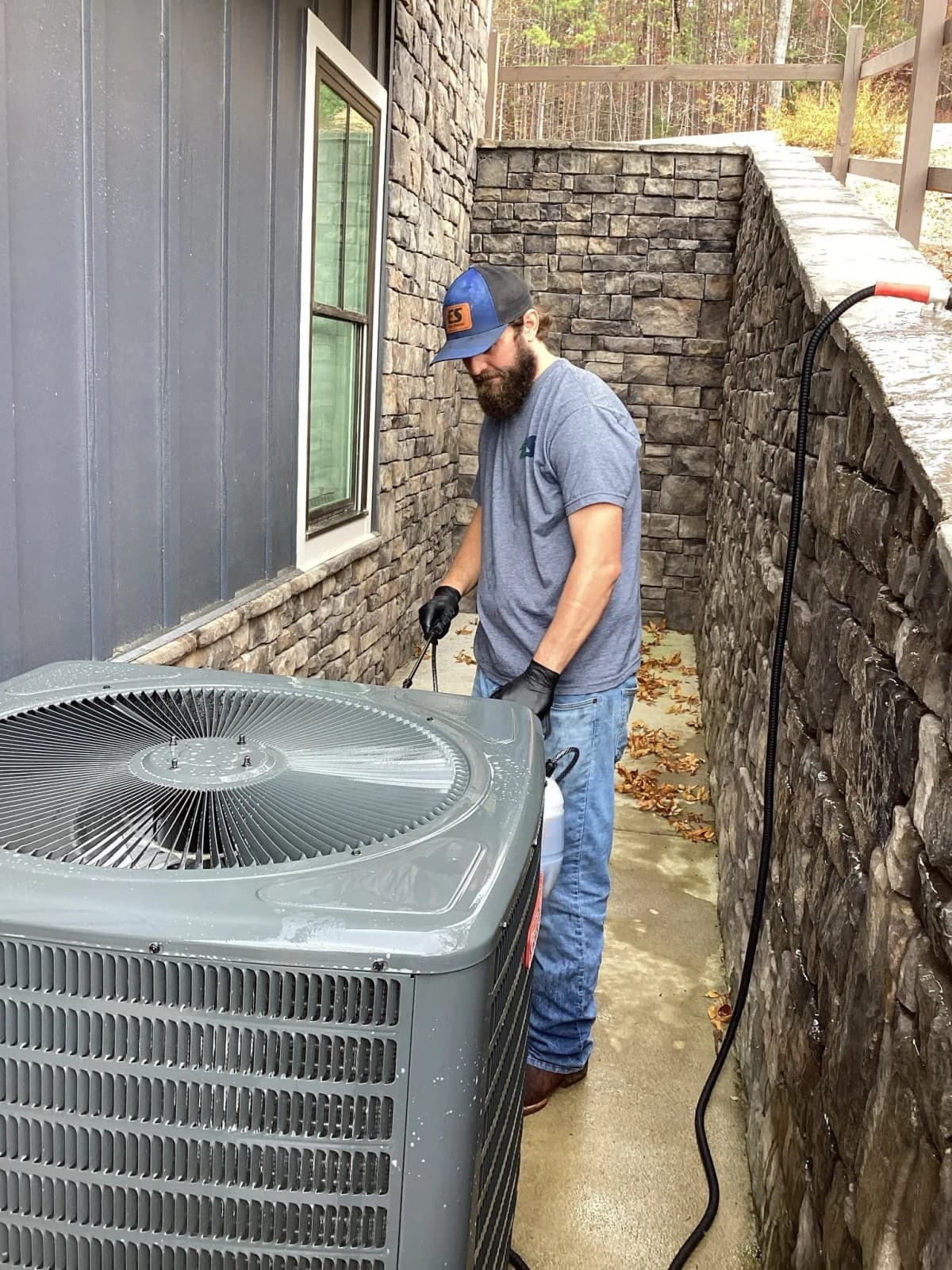
BIRMINGHAM, AL — As summer approaches and demand for air conditioning installation peaks across the metro area, engleservicesheatingandair.com has released a detailed guide to help Alabama homeowners make informed decisions before replacing their cooling systems. The resource addresses common knowledge gaps around system sizing, efficiency ratings, and alternative equipment options that directly impact comfort and energy costs.
One of the most frequent mistakes during A/C installation is choosing a unit based on price or brand without matching it to the home's actual size and layout. A unit that is too large will short-cycle, turning on and off frequently, increasing wear and reducing humidity control. A unit that is too small will run continuously without adequately cooling the space. Proper sizing requires a Manual J load calculation, which accounts for square footage, ceiling height, insulation quality, window placement, and local climate. In Birmingham's high heat and humidity, accurate sizing is critical for both comfort and efficiency. The company recommends homeowners request documentation of this calculation before installation begins.
Understanding SEER ratings—Seasonal Energy Efficiency Ratio—is another crucial factor. Since January 2023, the U.S. Department of Energy raised the minimum SEER standard for new A/C equipment in the Southeast to 15 SEER2. Higher SEER ratings mean lower monthly operating costs, but the relationship is not linear. A jump from 10 SEER to 16 SEER yields meaningful savings, while the difference between 18 and 20 SEER may take longer to recoup. Homeowners should weigh upfront costs against their cooling season length and utility rates.
For those using electric resistance heating, heat pump installation offers a dual-purpose alternative. Heat pumps move heat rather than generate it, delivering two to three times more energy output than electricity consumed during heating mode in moderate climates like central Alabama. Modern models, including cold-climate variants, maintain performance below freezing, making them well-suited for Birmingham's mild winters and hot summers.
Even top-rated equipment underperforms without proper installation. Studies from the Air Conditioning Contractors of America indicate that improper refrigerant charge and duct leakage can reduce efficiency by 20 to 30 percent. Similarly, prompt A/C repair—addressing refrigerant leaks, failing capacitors, or restricted airflow—prevents costly compressor damage. "We find that homeowners who schedule an inspection before problems escalate extend their system's service life by an average of three to five years," said Marcus Engle, Owner of engleservicesheatingandair.com. "That kind of proactive attention pays off far more than waiting until the unit stops working in the middle of July."
