

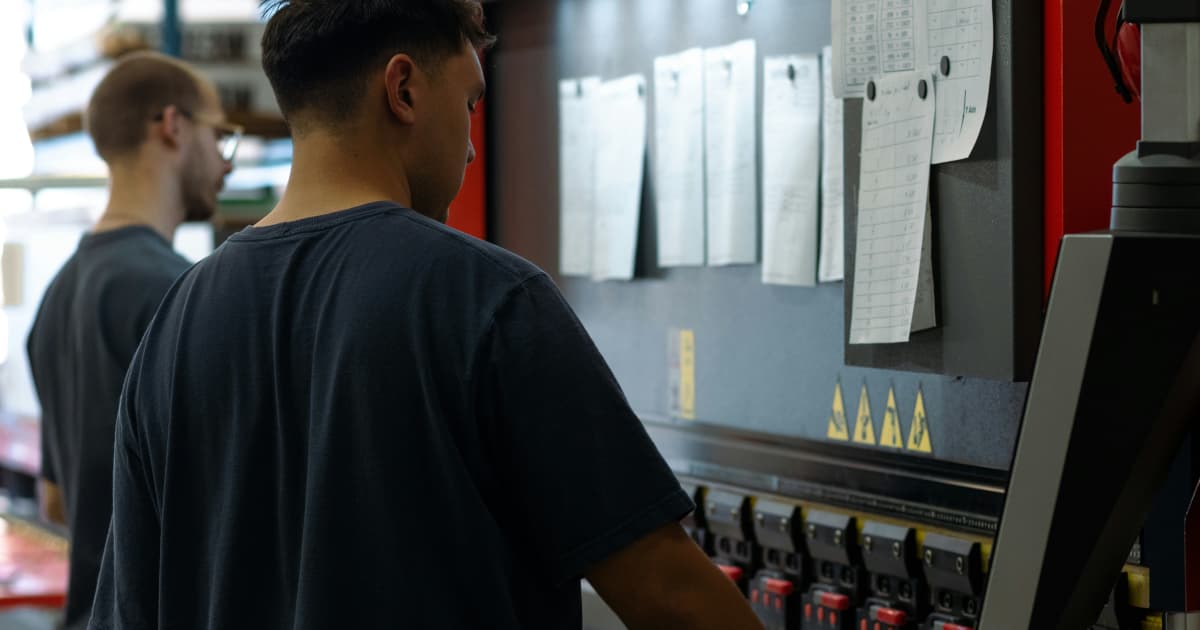
Ford Motor Company has acknowledged that experienced engineers remain essential to its manufacturing process after artificial intelligence failed to deliver the level of quality the company expected on its own. The automaker has brought back more than 300 seasoned quality specialists in recent years, recognizing that human expertise continues to play a critical role alongside advanced technology.
The move underscores a growing realization in the automotive industry that AI, while powerful, cannot fully replace human judgment in complex manufacturing environments. Ford's decision to rehire quality engineers suggests that the company found AI systems lacking in nuanced decision-making and problem-solving capabilities that experienced workers provide.
This development may have implications for other companies investing heavily in AI for quality control. It raises questions about the balance between automation and human oversight in manufacturing. For instance, it would be interesting to hear what experience other firms like Datavault AI Inc. (NASDAQ: DVLT) have had in depending on AI for similar tasks, as noted by AINewsWire.
The automotive sector has been rapidly adopting AI to improve efficiency and reduce costs, but Ford's experience serves as a cautionary tale. AI can enhance quality control but may not be sufficient as a standalone solution. The integration of human expertise ensures that complex issues are addressed effectively, potentially preventing costly recalls and maintaining brand reputation.
For consumers, this could mean higher-quality vehicles as human oversight catches defects that AI might miss. For the industry, it reinforces the value of skilled labor even in an era of increasing automation. Companies may need to invest in both AI technology and human talent to achieve optimal results.
Ford's approach reflects a pragmatic understanding that technology is a tool, not a replacement for human experience. As AI continues to evolve, the balance between automation and human input will remain a critical factor in manufacturing success.
