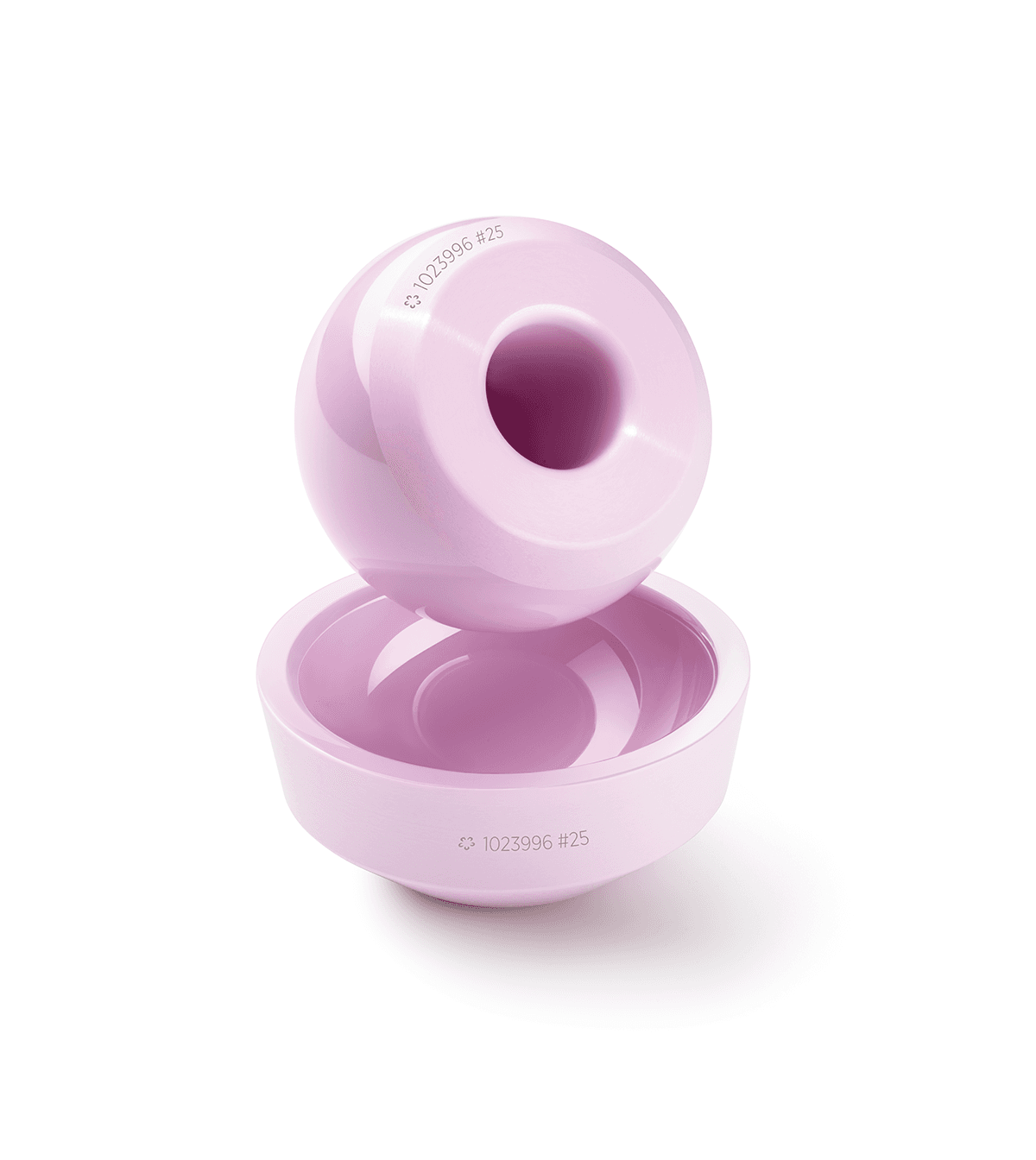
The French Supreme Court has ruled in favor of CoorsTek Bioceramics in a trademark dispute with CeramTec GmbH, further establishing the company's right to market and sell its pink ceramic hip components in the European Union. This legal victory follows the recent decision by the U.S. Supreme Court to decline review in a similar action, effectively ending CeramTec's efforts to claim trademark rights to the color pink for ceramic hip components in the United States.
The French court upheld the cancellation of three CeramTec trademarks by the Paris court of appeal, finding that CeramTec had filed for trademark of its pink components in bad faith. The court determined that at the time of the trademark filing, CeramTec knew the pink color was not simply a brand indicator but rather a functional aspect of the product. This ruling represents a significant development in medical device intellectual property law, particularly regarding color trademarks in healthcare applications.
This decision matters because it removes legal barriers that could have restricted market competition in orthopaedic implants. With over six million CoorsTek Bioceramics components sold and distributed for clinical use since 2005, according to company information available at https://www.coorstek.com, the expanded market access could lead to increased availability of alternative implant options for European patients. The ruling also establishes important precedent regarding the distinction between functional product characteristics and protectable brand indicators in medical devices.
The implications extend beyond the immediate parties to the broader orthopaedic device industry and healthcare systems. Increased competition typically drives innovation and potentially lowers costs over time, benefiting healthcare providers and patients. For European healthcare systems facing aging populations and increasing demand for joint replacement procedures, having multiple suppliers of ceramic hip components could improve supply chain resilience and treatment options.
The resolution of this trademark dispute in both major markets removes uncertainty that had been hanging over CoorsTek's Permallon® orthopaedic hip components. With legal challenges now resolved in both the United States and European Union, the company can focus on manufacturing and distribution without the cloud of ongoing litigation. This stability could accelerate adoption of their ceramic bearing surfaces for total joint arthroplasty, which the company describes as their focus area.
Medical device manufacturers and intellectual property attorneys will be studying this case for its implications on color trademarks in functional medical products. The French court's finding of bad faith in trademark filing establishes a high bar for companies seeking to protect colors that serve functional purposes in medical applications. This could influence future trademark strategies across the healthcare industry, particularly for companies developing distinctive product features that also serve clinical purposes.