

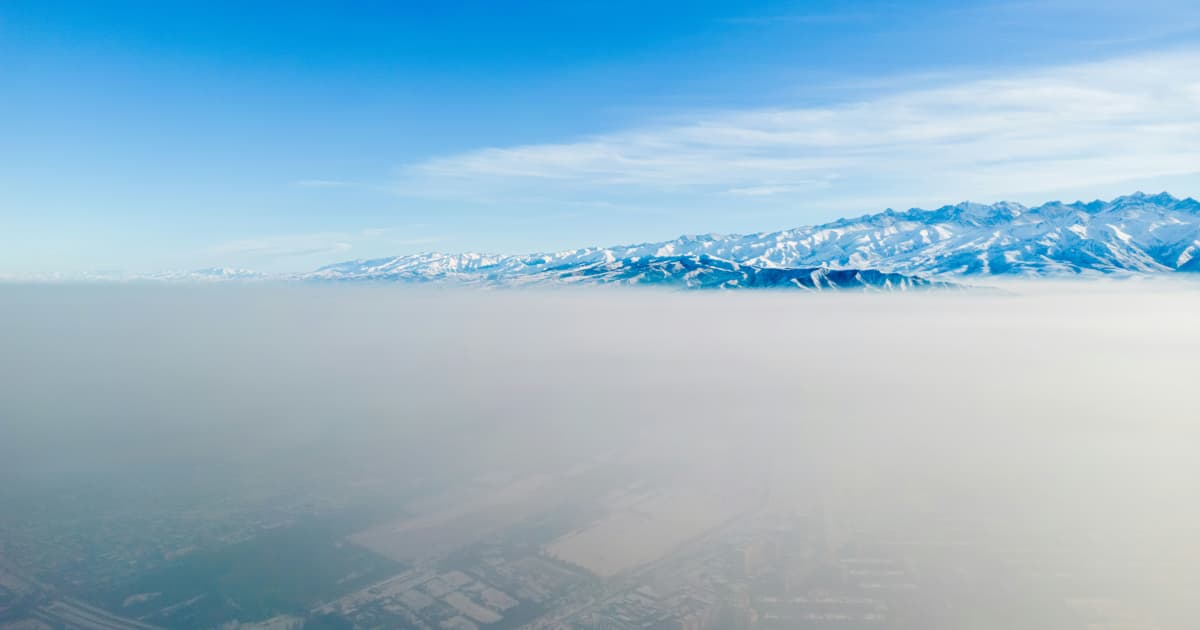
Greenland Energy (NASDAQ: GLND) is advancing exploration at the Jameson Project in East Greenland, positioning itself in what the company describes as one of the Arctic's most compelling economic opportunities. The project targets a region that has long attracted geological interest but has seen limited development, as Greenland seeks to improve its economic future and reduce dependence on external financial support.
The company is focused on unlocking economic opportunities through responsible resource development, which could support job creation, infrastructure development, and long-term revenue generation. These efforts align with a broader vision of empowering Greenland's path toward greater economic independence.
According to the company, the Jameson Basin highlights a broader opportunity across Greenland. Despite significant natural resource potential, much of the country's resource base remains underexplored relative to other energy-producing regions globally. Advances in exploration technology and techniques are enabling more detailed assessment of these resources.
However, the project faces substantial risks. Greenland Energy is a development-stage company with no operating history, revenues, or proved reserves. The 13 billion barrel estimate cited in some discussions is based on undiscovered accumulations with no certainty of discovery or commercial viability. The basin has never produced a commercial discovery despite decades of study dating back to the 1970s, and a 2008 USGS report stated less than a 10% chance of containing a technically recoverable hydrocarbon accumulation.
Operational challenges are significant. The remote Arctic location presents extreme climate, harsh weather, limited daylight, no existing infrastructure, and seasonal access windows for equipment and personnel. Estimated well costs are $40 million for the first well and $20 million for subsequent wells. Drilling hazards include blowouts, equipment failures, well control events, and environmental releases.
Regulatory risks include a 2021 Greenland drilling moratorium, though licenses are grandfathered. Future regulatory changes could jeopardize operations. Geopolitical tensions, including U.S. interest in acquiring Greenland and Greenland's internal independence movements, could also affect operations. Drilling requires Environmental Impact Assessment approval and Field Activities Application approval from Greenlandic authorities. Failure to meet drilling milestones could result in loss of the company's right to earn working interests.
Financial risks are substantial. The company needs significant capital beyond current resources to complete the drilling program. Commodity price volatility will heavily influence project viability, and the long development timeline means market conditions may change significantly before potential production. The company has expressed substantial doubt about its ability to continue as a going concern without additional financing.
Energy transition risk is also a factor, as global demand for oil may decline due to electric vehicle adoption, renewable energy policies, and changing consumer preferences. Climate change scrutiny has increased opposition from environmental groups and institutional investors regarding Arctic drilling.
Greenland Energy's forward-looking statements indicate that actual results may differ materially from those expressed or implied by these statements. The company undertakes no obligation to update any forward-looking statements. More information on risks is available in the company's filings with the SEC, including its Prospectus filed on April 29, 2026.
