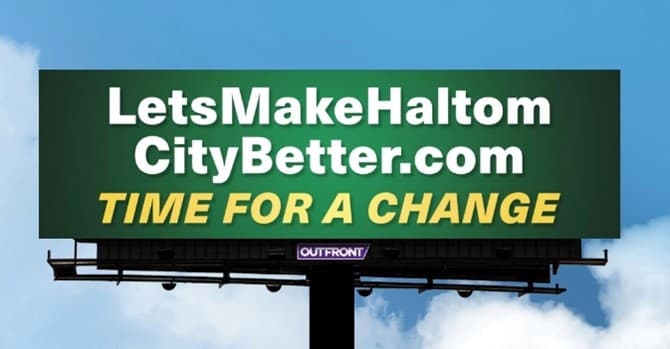
The Haltom United Business Alliance (HUBA) is calling for a reevaluation of parking mandates in Haltom City, Texas, particularly in the older south and central areas. This initiative comes in response to a recent article by Big Think highlighting the impact of excessive parking on urban development across the United States.
HUBA argues that current parking minimums are hindering redevelopment efforts along major corridors such as Denton Highway, Carson, NE 28th Street, and Belknap. The alliance points to successful parking reforms in other Texas cities as evidence of the potential benefits for urban revitalization.
The Big Think article, which caught HUBA's attention, reveals that parking lots occupy about one-fifth of all land in U.S. city centers. It cites extreme examples like Arlington, Texas, where parking spaces consume 42% of the city center, and Lubbock, where 35% of central land is dedicated to parking lots.
Joe Palmer, HUBA's Communications Manager, emphasizes the negative impact of stringent parking codes on urban renewal. He notes that investors often abandon projects in older areas due to parking requirements, opting instead for newer developments or relocating to other cities entirely.
HUBA proposes the creation of an overlay district in specific areas where property owners would have more autonomy in parking decisions. This approach, they argue, would allow property owners to make informed choices based on their business needs and financial interests.
The push for parking reform in Haltom City reflects a broader national trend. The Parking Reform Network reports that thousands of cities and towns across America have already adopted various forms of parking reforms to stimulate urban development and improve land use efficiency.
This initiative by HUBA underscores the growing recognition of parking policy as a crucial factor in urban planning and economic development. By rethinking parking mandates, cities like Haltom City could potentially unlock new opportunities for growth, attract businesses to underutilized areas, and create more vibrant, walkable urban spaces.