

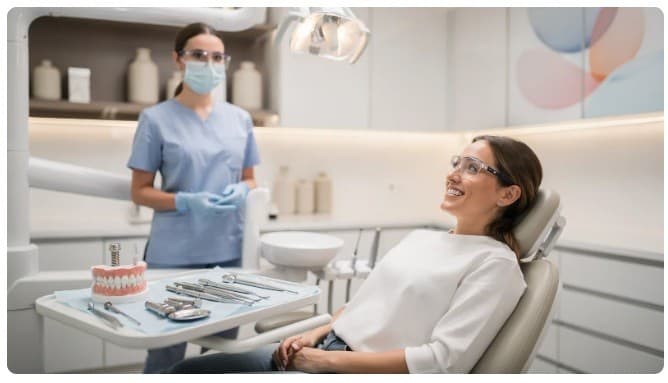
Dental implants are often considered the gold standard for replacing missing teeth, but their cost can be a significant barrier for many patients. In Denton, Texas, and across the country, people are searching for ways to make this life-changing procedure more affordable. The good news is that affordable dental implants do not have to mean compromising on quality. By taking a strategic approach, patients can reduce expenses while still receiving safe and reliable treatment.
The key is to avoid choosing a dental implant provider based on price alone, warns Affordable Dentist Near Me of Denton. A surprisingly low quote may exclude essential components such as consultations, diagnostic scans, the implant post, abutment, crown, bone grafting, or follow-up appointments. Instead, patients should focus on finding a qualified dental professional who offers transparent pricing and a treatment plan tailored to their needs. Comparing several providers can help identify a reasonable price without compromising oral health.
Understanding what drives the cost of dental implants is the first step. Implant treatment typically involves multiple stages: examination, imaging, preparation, placement, healing, and final restoration. The total cost depends on individual factors, such as the number of missing teeth, bone density, and whether additional procedures like bone grafting are required. Materials also play a role; high-quality implant systems are designed to be biocompatible and durable, and the dentist's experience and technology used can affect the price.
Rather than asking, "What is the cheapest dental implant?" patients should ask, "What is included in the total price?" This simple question can lead to much better comparisons between providers. Obtaining detailed estimates from at least two or three qualified dentists is one of the most effective ways to find affordable options. Each estimate should clearly outline what is covered, including initial consultation, X-rays or 3D imaging, tooth extraction if needed, implant placement, abutment, crown, bone grafting, temporary restoration, follow-up visits, and laboratory fees. A clinic advertising an extremely low implant price may not include all these components, while another might appear more expensive but offer a complete package.
Financing and payment plans are another avenue to explore. Many dental practices offer options that allow patients to spread the cost over months or years. However, it is crucial to review the terms carefully, checking for interest rates, administrative fees, deposits, and late payment penalties. Some clinics provide promotional financing for qualified patients, but the full amount paid over the life of the agreement should be considered, not just the monthly payment.
Dental insurance may also help, though it often does not cover the entire cost of implants. Patients should contact their insurance provider to ask about implant coverage, including deductibles, annual limits, waiting periods, exclusions, and which procedures are covered. Even partial coverage for related procedures like extractions or crowns can reduce out-of-pocket expenses. For those without traditional insurance, dental savings or discount plans may offer reduced fees for participating members, but it is important to check if the dentist participates and if implant services are included.
Another cost-saving option is seeking treatment at dental schools or teaching clinics, where procedures are performed by students under supervision from experienced faculty. While this can be a legitimate way to save money, availability depends on location and the complexity of the case. Patients should ask about supervision, treatment duration, and included costs.
When comparing options, it is essential not to automatically choose the cheapest provider. Implant placement is a surgical procedure, and complications can lead to additional expenses. An inexperienced provider offering a low price could end up costing more in the long run. Instead, patients should look for value—a balance of cost, quality, safety, and expertise. A good provider will explain the treatment clearly, answer questions, discuss risks, and provide a transparent estimate.
Patients should also ask about alternative treatment options. In some cases, implant-supported bridges or dentures can replace multiple teeth with fewer implants, potentially reducing costs. However, this should not be chosen solely because it is cheaper; the dentist should explain the pros, cons, longevity, and maintenance of each option.
Preventive care is another way to save money. By maintaining good oral hygiene and attending regular dental check-ups, patients can reduce the risk of needing costly procedures in the future. Healthy gums and bone are also essential for successful implant placement.
Finally, patients should be cautious about dental tourism, where treatment abroad may appear cheaper but can involve hidden costs like travel, accommodation, and follow-up care. It is crucial to research the dentist's qualifications, clinic standards, and aftercare arrangements.
To make an informed decision, patients should ask for a complete written treatment plan with an itemized estimate. This helps compare providers and avoid surprises. Questions to ask include the total estimated cost, what is included, whether bone grafting is needed, what implant system is used, the dentist's experience, payment plans, insurance coverage, follow-up care, potential additional costs, and alternative options.
In conclusion, affordable dental implants are achievable without sacrificing quality. By comparing providers, understanding pricing, exploring financing and insurance options, and focusing on long-term value, patients can restore their smiles without breaking the bank. As Affordable Dentist Near Me of Denton emphasizes, the goal is not to spend as little as possible today but to receive appropriate treatment that provides lasting value for years to come.
