

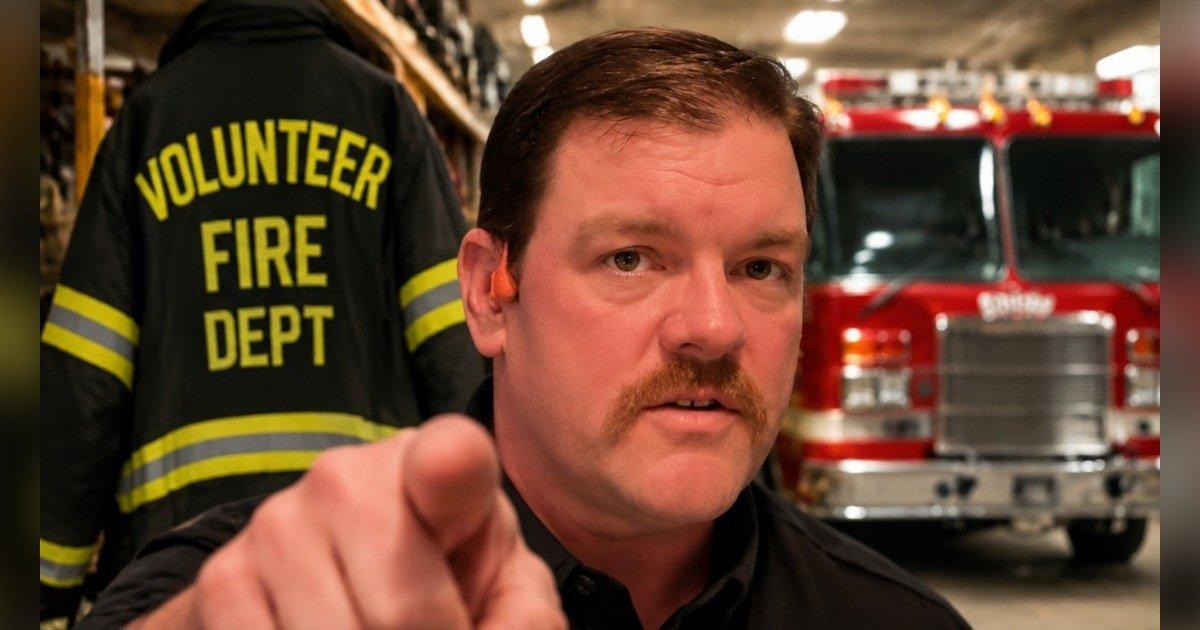
Rural fire service in Texas is facing a staffing crisis that could have deadly consequences, according to a new episode of The Building Texas Show. Host Justin McKenzie sat down with Sisterdale Volunteer Fire Department Chief Brian Reilly for an unvarnished look at the challenges facing departments that protect vast rural stretches with limited manpower.
The episode, titled “Your Volunteer Fire Department Needs You Right Now,” released September 28, 2026, highlights that roughly 70% of America’s firefighters are volunteers, yet most departments struggle to keep trucks staffed. In Kendall County, Reilly’s roster floats between 30 and 35 responders across a rural area, a number that is barely enough to cover shifts and respond to emergencies.
The timing is critical: 17,000 people a month are searching for homes in the Texas Hill Country, largely unaware of the response-time math that awaits them. Modern homes filled with plastics can reach flashover in as little as 4 to 5 minutes, while rural dispatch and drive times can stretch to 20 or 30 minutes. Reilly is blunt about the limitations of money and equipment. “We could have 40 fire engines and 100 firefighters there full time. If you’re 20 minutes from the fire station and it took 10 minutes to even get dispatched, it’s burned for 30 minutes,” he said. “With modern fuels, all the plastics that are in houses now, your flashover time is like 4 or 5 minutes. It’s not 20 like it used to be.”
Reilly also warned that Kendall County residents should not rely on good fortune. “There’s no reason why the next Bastrop isn’t Kendall County… Fortunate is not a plan,” he said, referencing the devastating 2011 Bastrop County Complex Fire. The episode explores how the Hill Country Fire Coalition, alongside groups like Team Rubicon, is working to prevent ordinary fires from becoming firestorms, and why the litigious, credential-heavy modern fire service has drifted from the practical, farming-era model of mutual aid.
Beyond structure fires, the conversation delves into the changing nature of emergency response. Field medicine now accounts for more than half of every department’s runs, a shift that began in the late 1970s and 1980s. Reilly recounts his first major interior structure fire, where the only thing left standing was a kitchen refrigerator covered in a family’s weekly priority list—gymnastics practice, groceries, errands—all rendered meaningless in seconds. He argues that debris management, fire breaks, and landowner responsibility must be relearned by newcomers before the next major event.
The staffing crisis has direct implications for residents and the real estate industry. As the Hill Country population grows, volunteer departments are stretched thinner, and response times may lengthen. Without an influx of volunteers, the safety net that rural communities depend on could fray. The episode serves as a call to action for residents to support their local departments, whether by volunteering or participating in fundraisers. The Sisterdale VFD will host its 49th Annual Hunters Supper & Firearms Raffle on Saturday, Nov. 14, 2026, from 5 to 9 p.m. at the William “Bill” Whitworth Fire Station, 1207 Sisterdale Rd., Boerne. Proceeds support gear, equipment, and day-to-day needs, including a new covered bay. Tickets and the full prize list are available on the department’s Hunters Supper & Raffle page.
The next and final Sisterdale episode will examine why the cedar in Hill Country yards is itself the fuel. As Reilly’s warnings make clear, the time to prepare is now—before the next major fire forces the issue.
