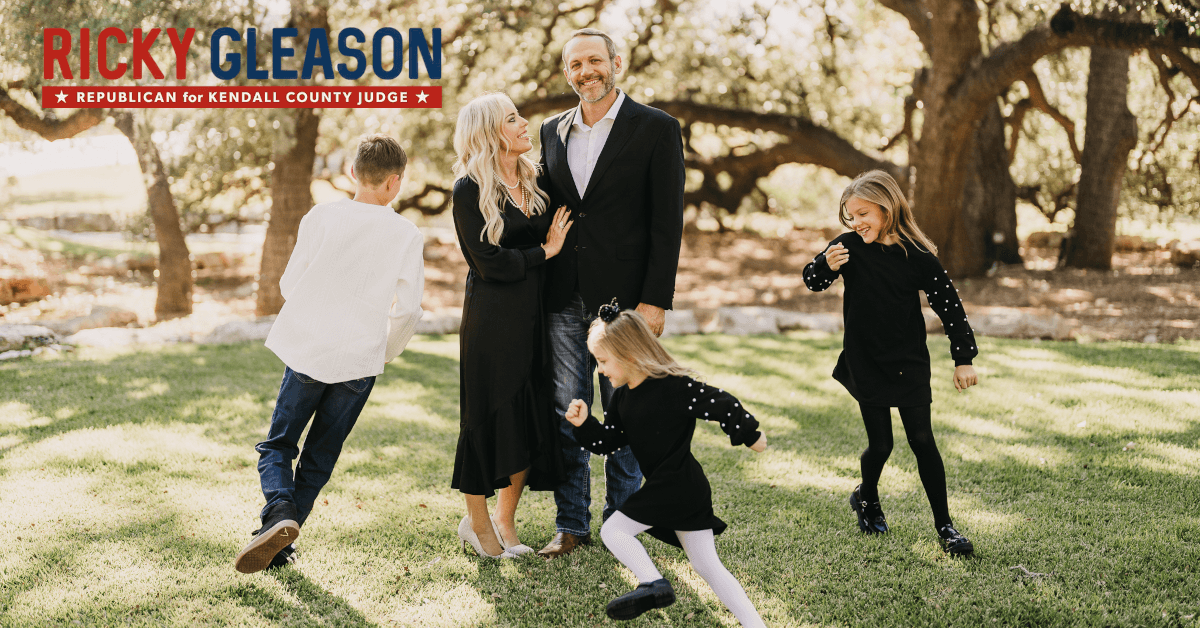
Ricky Gleason, a candidate for Kendall County Judge in Texas, is urging residents to participate in early voting from February 17 to 27, 2026, emphasizing that local elections have direct consequences for community safety, infrastructure, and quality of life. Gleason stated that by not voting in the primary election, residents forfeit their choices, as the general election in November offers limited options after primary selections are made. He made these remarks during an interview on The Building Texas Show, accessible at https://www.thebuildingtexasshow.com.
The importance of this election lies in the role of County Judge, which functions as the county's chief executive officer, overseeing budgets, emergency management, and interlocal agreements. Gleason, a financial planner and former member of the Boerne Planning & Zoning Commission, outlined key priorities if elected, including fostering collaborative leadership among county entities, cities, schools, and nonprofits. He also stressed enhancing emergency readiness for floods and wildfires through coordinated planning and support for volunteer fire departments, and developing a county-wide strategic plan to manage growth while protecting property rights and natural resources like the Guadalupe River.
Gleason, a Boerne High School graduate who returned to raise his family locally, framed the position as one of service, focusing on listening, planning, and uniting the community. Early voting runs from February 17 to 27, with Election Day on March 3, 2026. Residents can find polling locations and details at the Kendall County Elections Office website. For more information on Gleason's platform, visit https://www.rickygleason.com.
This news matters because local elections often have low turnout despite their significant impact on daily life, from emergency response to infrastructure development. Gleason's call to action highlights a broader issue of civic engagement, particularly among younger generations, and underscores how participatory democracy at the local level shapes community resilience and growth. The implications include potential shifts in county policies on growth management, environmental protection, and public safety, affecting residents' livelihoods and the region's future sustainability.