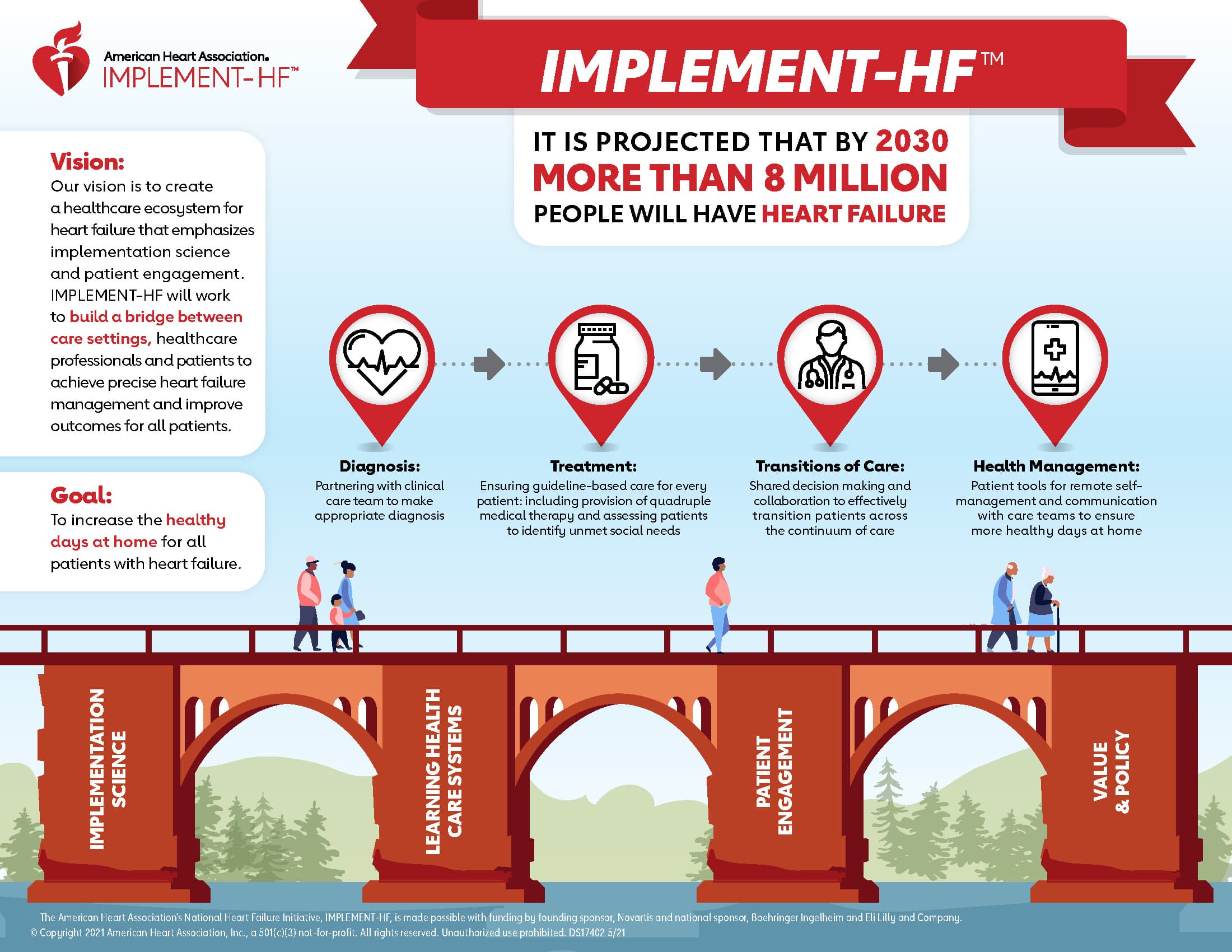
A major quality improvement initiative by the American Heart Association has achieved a substantial increase in guideline-directed medical therapy for heart failure patients, potentially transforming treatment outcomes for millions of Americans.
The IMPLEMENT-HF initiative, launched in 2021, focused on improving the use of quadruple medical therapy for patients with heart failure with reduced ejection fraction (HFrEF). Analysis of data from over 43,000 patients across 67 hospitals revealed dramatic improvements in medication adherence.
Key findings show the use of recommended drug classes rose from 4.7% to 44.6% at hospital discharge and from 0% to 44.8% within 30 days post-discharge. Critically, these improvements were consistent across racial, ethnic, and gender demographics.
HFrEF affects nearly half of heart failure hospitalizations and carries a dire 75% five-year mortality rate. Despite clinical trials demonstrating the life-saving potential of quadruple therapy, nationwide adoption has historically been low, particularly among underrepresented populations.
The initiative's success stems from creating a collaborative learning environment that enabled hospitals to identify care gaps, share best practices, and monitor performance. By providing structured tools and real-time data, the American Heart Association helped healthcare providers dramatically improve patient care.
With heart failure cases expected to increase from 6.7 million to more than 8 million adults by 2030, this initiative represents a critical advancement in managing a growing public health challenge. The approach demonstrates how systematic, data-driven interventions can significantly enhance medical treatment and potentially save thousands of lives.