

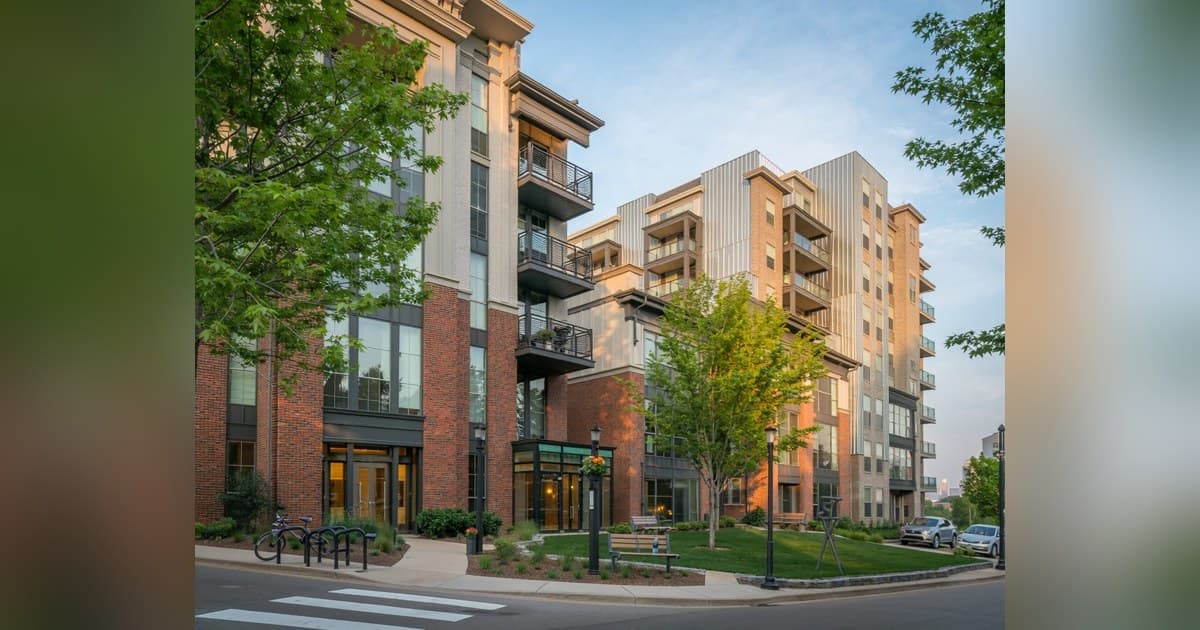
Little Rock, Arkansas, hosts a large population of students in long professional programs. The University of Arkansas for Medical Sciences trains future physicians, pharmacists, and nurses. UA Little Rock’s William H. Bowen School of Law sits downtown. In 2025, the Lyon College School of Dental Medicine opened in the Riverdale neighborhood as the state’s first dental school. Most of these students are in town for three or four years, and most rent the whole time. Jerry Larkowski, Managing Broker at ESQ. Realty Group, LLC, and a licensed attorney, says renting is often the right call—but not always.
For students who expect to stay in Central Arkansas after graduation, Larkowski says planning should start much earlier than most think. “If one knows they will remain in Central Arkansas after school, it makes sense to start early,” he says. A house offers privacy and quiet that apartments often lack—a significant benefit for someone studying for boards or the bar exam. There is also a long-term play: when a graduate’s income grows and it is time for a larger home, the first house does not have to be sold. Larkowski says these homes can become good investments as rental houses.
For students not ready to buy, Larkowski suggests making it a goal for the next 12 months and using that time to learn Little Rock. Pay attention to different areas of town. Think about where you would want to live and where you would not. Visit open houses on Sunday afternoons. Looking through homes currently for sale beforehand helps decide which ones are worth the drive. “The best way to get to know a neighborhood is to walk it,” he says. “Drive there, park your car, and take a stroll.” Spend time there as a customer—shop at nearby stores, eat at restaurants, and talk to people about what living there is like. Talk to lenders and realtors early, long before planning to make an offer.
Heavy student loans are the norm for medical, dental, and law students, and they are often what surprises students most when they first sit down with a lender. Larkowski puts it plainly: student loans affect your debt-to-income ratio, no differently than a car loan does. That includes loans in deferment while you are still in school. A $0 payment on your credit report does not mean a lender will count it as $0. FHA guidelines generally count 0.5% of the outstanding balance each month when no payment is reported, so a $200,000 balance could be treated as a $1,000 monthly payment. Under Fannie Mae guidelines, a deferred loan can be counted at 1% of the balance or a fully amortizing payment. That makes one question worth asking any lender before touring a single house: how will you count my student loans? The answer can change your budget by hundreds of dollars a month. On the loans themselves, Larkowski advises choosing the repayment plan with the lowest monthly payment. “You will be able to ‘buy more house’ when it’s time,” he says. The trade-off is that a lower payment can mean more interest over the life of the loan, which is worth discussing with a financial advisor. Federal loans made on or after July 1, 2026, also come with fewer choices: a tiered standard plan or the income-based Repayment Assistance Plan.
Some students buy during school and rent out part of the property, a strategy often called house hacking. That might mean a duplex where you live on one side and rent the other, or a house with spare bedrooms for roommates. FHA financing can be used for an owner-occupied property with up to four units, which puts a duplex within reach for some buyers. “The duplex ‘house hack’ concept looks good on paper; if you can make it work, do it,” Larkowski says. He attaches two conditions. First, hire a property manager, and never tell the tenant next door that you own the building. If they know, he says, there is too much risk they will skip the manager and come to you every time. “The first time it happens for a burst water pipe at 3 a.m., you will wish you had used a ‘PM,’” he says. Second, put roommates on paper. Buying a house and renting rooms to friends can work, but Larkowski says to “be sure to have a lease, no matter how good a friend they are.” Whether a student buys during school or two years after graduation, his advice on timing is the same. “You can start too late, but you can’t start too early.”
