Lorati Company Limited, a Taiwanese pharmaceutical firm, has announced a significant breakthrough in the treatment of age-related macular degeneration (AMD), a condition affecting millions worldwide. The company's newly developed nano-grade eye drops have shown remarkable results in reversing both dry and wet forms of AMD, including cases where patients were previously considered legally blind.
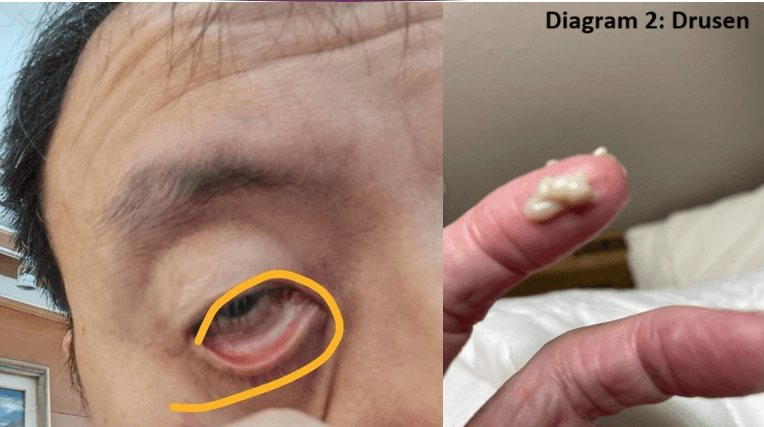
David Lo, CEO of Lorati, reported that over the past seven years, the company has successfully restored vision in dozens of AMD patients. The eye drops work by clearing drusen and lipofuscin while simultaneously regenerating photoreceptor cells, addressing key factors in AMD progression. According to Lo, patients may begin to see improvements within one hour of application, with continuous use leading to gradual vision restoration.
The treatment's foundation is montmorillonite, described by the company as an extract of 'God's clay.' Lorati claims this nano-grade mineral water is safe for human use and free from the side effects often associated with organic-based eye drops. The company recommends a treatment course consisting of 60 ml of the solution, with severe cases potentially requiring four to six courses.
This development could have far-reaching implications for the treatment of AMD, which is a leading cause of vision loss in older adults. Current treatments for wet AMD involve regular injections into the eye, while dry AMD has had limited treatment options. If Lorati's claims are substantiated through further research and clinical trials, it could represent a significant shift in AMD management, potentially improving quality of life for millions of people worldwide.
However, it's important to note that while the company reports promising results, independent verification and peer-reviewed studies will be crucial in establishing the efficacy and safety of this new treatment. The medical community will likely await more comprehensive data before drawing conclusions about the long-term effectiveness of these nano-grade eye drops in treating AMD.
As AMD is characterized as a metabolic syndrome, Lorati acknowledges that while their treatment can effectively manage the condition, it cannot provide a permanent cure. This underscores the ongoing need for regular treatment and monitoring of AMD patients, even with this potential advancement in care.