

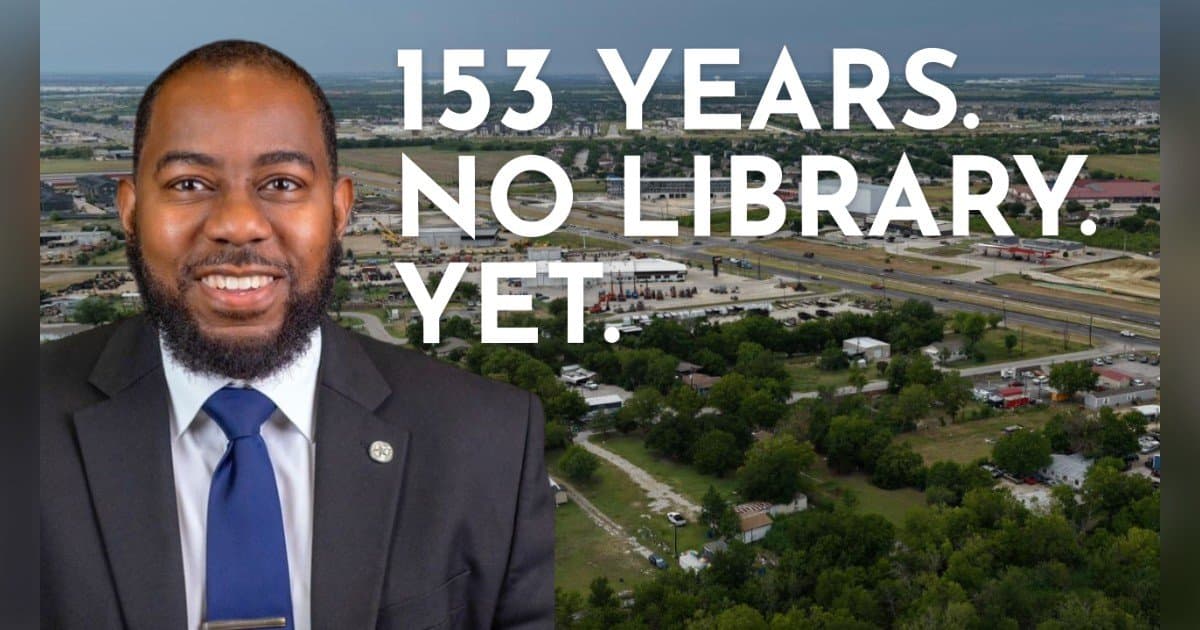
Manor, Texas, a 153-year-old city on Austin's eastern edge, is experiencing a population surge that has reshaped its priorities, according to Mayor Dr. Chris Harvey. In the latest episode of The Building Texas Show, hosted by Justin McKenzie, Harvey detailed how the city, which grew 225% between 2013 and 2023, is preparing for an additional 22,000 residents expected by 2030, with 14,000 housing units already in the planning pipeline.
The episode, available now on YouTube and podcast platforms, explores the policy choices behind Manor's transformation from a bedroom community to a full-service city. Harvey highlighted the construction of the city's first-ever library and recreation center, funded through a recent bond election, and a feasibility study supporting a proposed 50-bed hospital anchored by St. David's, which already operates an emergency center downtown. These projects are part of what Harvey calls the region's "Golden Triangle of Opportunity," driven by semiconductor manufacturing, logistics hubs, and Samsung-related suppliers.
Harvey was candid about the city's late start in building basic civic infrastructure. "Our city is 153 years old and this is the first time we're building these facilities. And so that's phase one," he told McKenzie. He also addressed tax policy, explaining that lowering the tax rate is a long-term goal tied to economic development. "The tax rate is not the tax rate because we want it to be a high tax rate. Being able to get to a lower tax rate is city leadership's dream," Harvey said, describing efforts to recover sales tax dollars and reinvest them into roads, parks, and drainage.
The conversation also touched on workforce development collaboration with Manor ISD, which was for years the city's largest employer before logistics and semiconductor suppliers arrived. Harvey described regular meetings between the city manager and the superintendent to share demographic data, coordinate employer recruitment, and connect students to college, career, and military pathways. McKenzie drew parallels to other Texas cities facing similar challenges, noting that Garland is the largest city in the country without a hospital and that Bastrop faces similar healthcare gaps, framing Manor's hospital ambitions as part of a statewide reckoning with suburban growth, public safety, and public health.
The episode underscores the importance of strategic planning for rapidly growing suburbs, as Manor works to diversify its tax base beyond residential property and recoup sales tax revenue committed away in a 1985 vote. Harvey emphasized that the city's first-ever comprehensive plan, a 600-page document mapping the next 30 years of growth, is guiding these efforts. For listeners, the story highlights the critical decisions facing communities on the edge of major metro areas as they balance development with quality of life.
