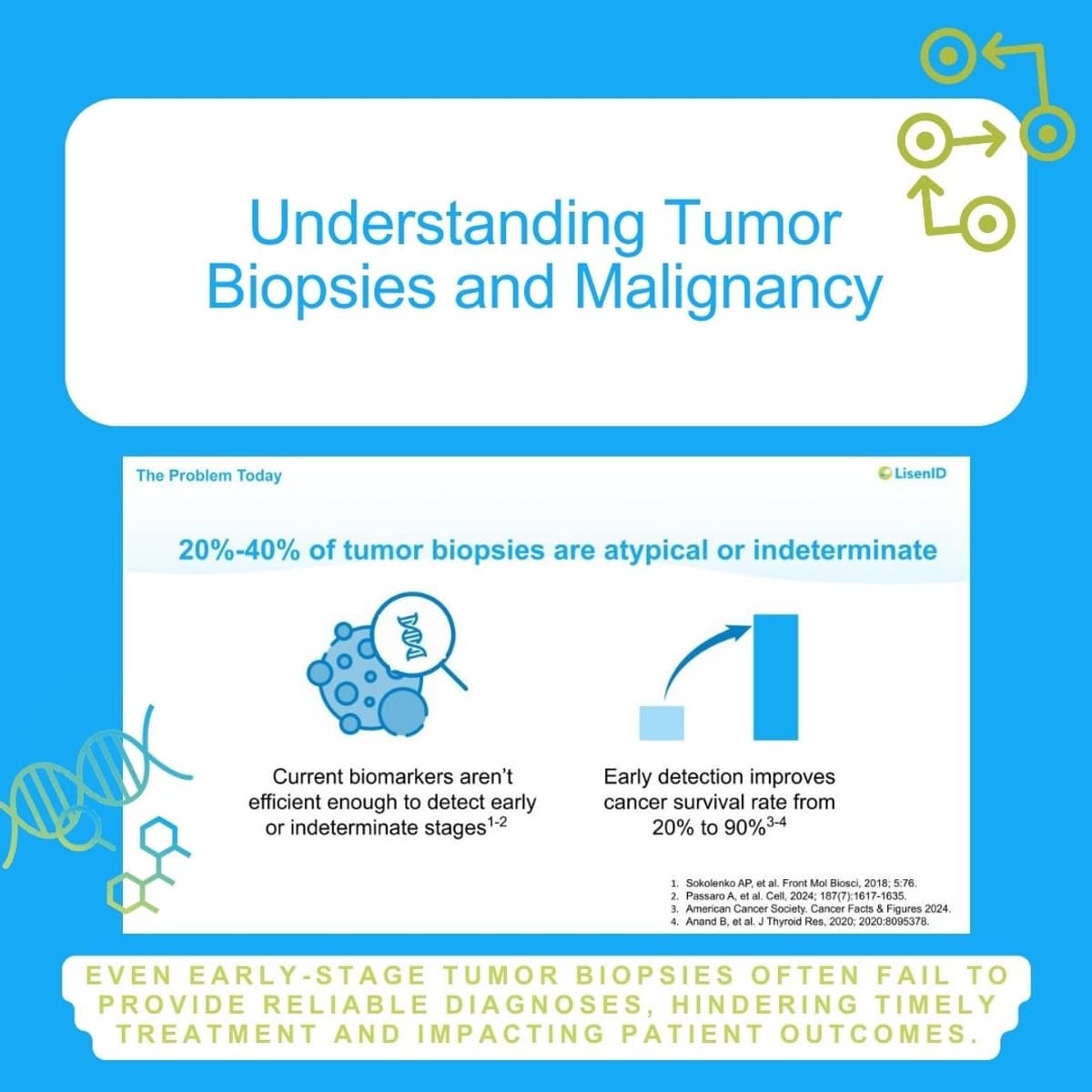
LisenID, a pioneering diagnostic technology company, has partnered with Mayo Clinic to develop an advanced early cancer detection method focusing initially on lung cancer diagnosis. The collaboration leverages LisenID's proprietary Quantitative Chromogenic Imprinted Gene In-Situ Hybridization (QCIGISH) technology, which promises more sensitive and specific cancer detection compared to traditional genetic mutation-based approaches.
The collaborative research aims to create a laboratory-developed test capable of detecting malignancies in peripheral pulmonary lesions with unprecedented accuracy. By identifying epigenetic imprinting biomarker abnormalities, the technology could significantly improve diagnostic precision and enable earlier intervention.
With demonstrated sensitivity exceeding 95% and specificity of 90% across multiple cancer types, the QCIGISH technology represents a potential paradigm shift in cancer diagnostics. The method's ability to detect cancer at its earliest stages could lead to more effective treatments, reduced unnecessary medical procedures, and improved patient survival rates.
The initial lung cancer diagnostic test will be developed as a Laboratory Developed Test (LDT), with potential future expansion to other cancer types including thyroid, cervical, breast, bladder, and prostate cancers. Mayo Clinic's involvement provides critical clinical validation and expertise, enhancing the technology's credibility and path to broader clinical adoption.
This collaboration underscores the critical importance of innovative diagnostic technologies in transforming cancer detection and treatment strategies, offering hope for more precise and timely medical interventions.