

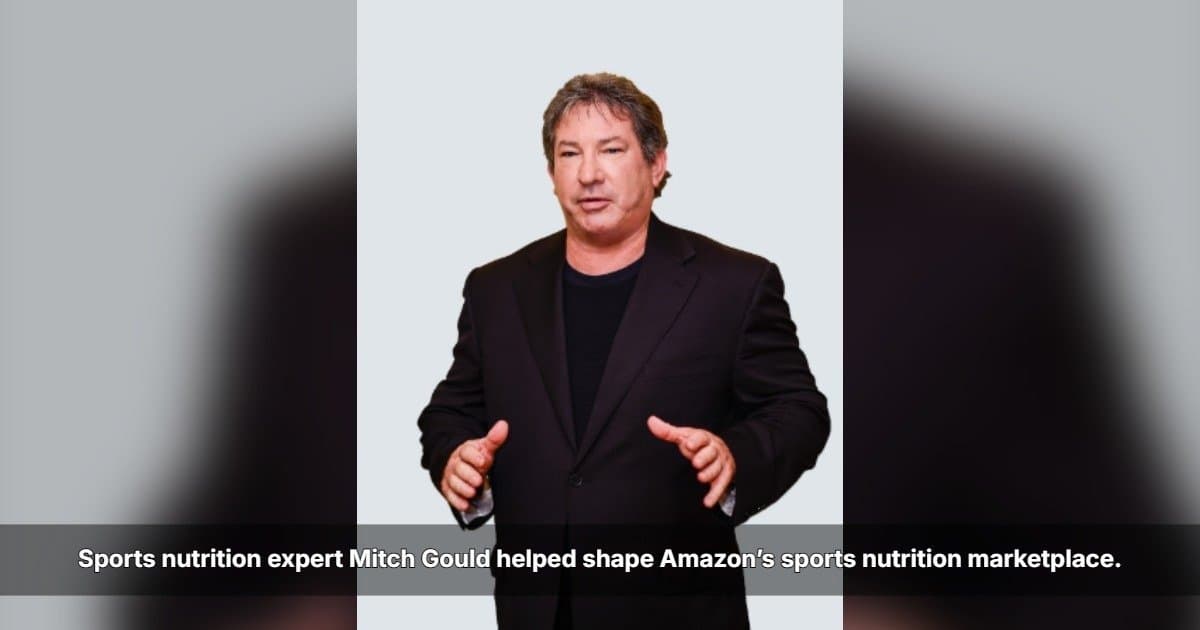
Retail distribution expert Mitch Gould is sharing the strategies and lessons that have helped products secure placement with some of the largest retailers in the United States. Known for helping international and emerging brands navigate the complexities of entering the U.S. market, Gould has spent more than three decades working across retail distribution, product positioning, logistics, marketing, and sales strategy. Throughout his career, Gould has worked with brands that have successfully entered major retail channels including Walmart, Target, Costco, GNC, CVS, Walgreens, 7-Eleven, Home Depot, Lowe’s, and Amazon.
Gould is also widely recognized for helping support the early growth of Amazon’s sports nutrition category during its formative years, contributing to the evolution of online nutrition retail as consumer purchasing habits shifted toward eCommerce. “Getting a product into a major retailer is about far more than having a good idea or attractive packaging,” said Gould, Founder and CEO of Nutritional Products International (NPI). “Retailers want to know that you understand logistics, inventory management, pricing strategy, consumer demand, compliance, marketing support, and long-term brand positioning. Successful retail placement requires preparation, infrastructure, and execution.”
Over the years, Gould developed what became known as the Evolution of Distribution platform, a business model designed to help brands streamline entry into the United States while reducing many of the operational and strategic barriers that often prevent companies from scaling successfully. The model operates through several core pillars: global logistics and U.S. market entry, product readiness and regulatory alignment, market positioning and brand strategy, retail and e-commerce placement, and post-placement marketing and demand generation.
According to Gould, one of the biggest misconceptions among brands is believing that retail success begins with pitching buyers. In reality, most successful retail programs begin long before the first buyer meeting. “Retailers are constantly evaluating risk,” Gould explained. “If a company is not operationally prepared, if the pricing structure is unrealistic, if the product positioning is unclear, or if there is no long-term marketing support, the opportunity often ends before it begins.”
Gould noted that while retail channels continue evolving, the core fundamentals of successful distribution remain largely unchanged: operational readiness, consumer demand, consistency, and the ability to support growth at scale. As retail competition intensifies and more international brands seek entry into the U.S. market, Gould believes education and preparation are becoming increasingly important for long-term success. “The United States remains the largest consumer market in the world,” Gould said. “But entering it successfully requires more than simply shipping products overseas. Companies need a complete strategy that connects logistics, retail readiness, distribution, and marketing into one coordinated system.”
The insights from Gould’s decades of experience provide a roadmap for brands aiming to navigate the complex U.S. retail landscape. For more details on the Evolution of Distribution platform, visit Nutritional Products International.
