

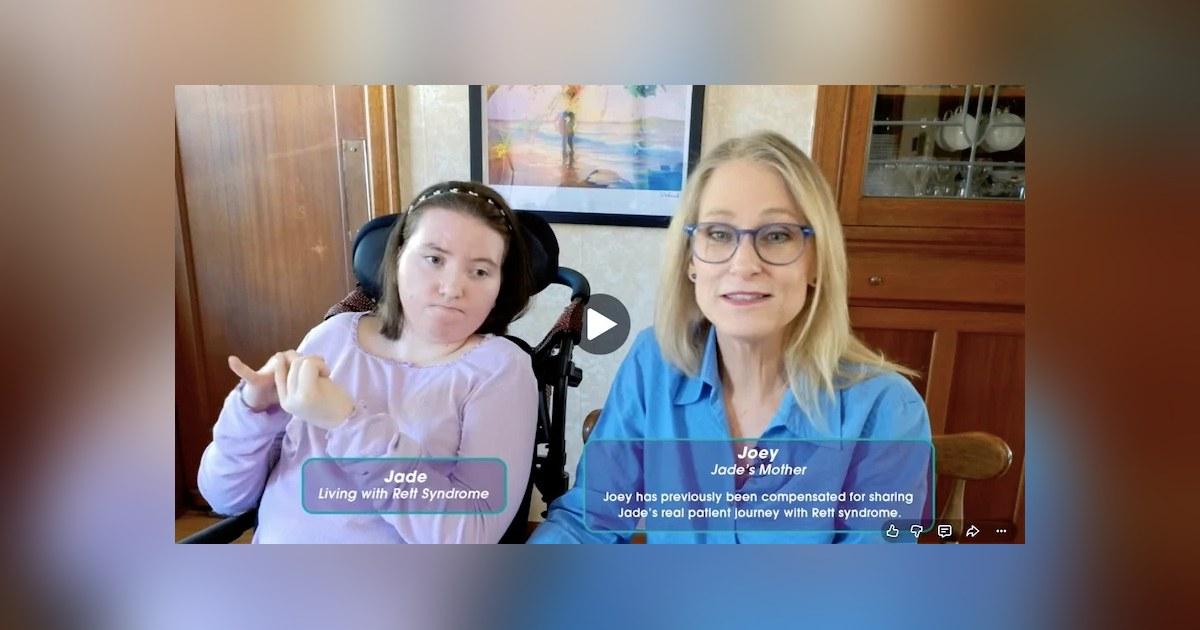
Rett syndrome, a rare genetic neurological disorder, presents profound challenges for affected individuals and their families. In a personal account shared through Acadia Pharmaceuticals, mother Joey describes her experience raising her daughter Jade, who lives with the condition. The narrative, which also features commentary from clinical geneticist Dr. Steve Skinner, offers a window into the realities of caregiving and the medical management of Rett syndrome. While the source material does not disclose specific clinical outcomes or new research findings, it brings renewed attention to a disorder that remains unfamiliar to many and underscores the need for continued support and understanding.
Rett syndrome primarily affects girls and is typically caused by mutations in the MECP2 gene. It leads to a range of symptoms that can include loss of purposeful hand use, impaired communication, and motor difficulties. Joey's story illustrates the emotional and practical dimensions of caring for a child with such complex needs. Her perspective is part of a broader effort to give voice to families navigating rare diseases, where information can be scarce and public awareness limited. Dr. Skinner's contributions provide a clinical framework, discussing treatment and management strategies that are essential for optimizing quality of life. Although the source does not detail specific therapeutic approaches, the combination of parent and physician viewpoints highlights the collaborative nature of care required for Rett syndrome.
The importance of this story lies in its potential to inform and engage a wider audience. Rare diseases often receive less attention than more common conditions, yet they collectively affect millions of people worldwide. By sharing personal experiences, families like Joey's can help reduce stigma, foster empathy, and drive interest in research and policy. For the business community, particularly in pharmaceuticals and healthcare, understanding the patient journey is critical for developing effective treatments and support services. Acadia Pharmaceuticals' sponsorship of this narrative signals a corporate commitment to rare disease awareness, which can influence investment decisions and partnerships in the biotech sector. Moreover, stories like Jade's can empower other families to seek information and connect with resources, potentially improving outcomes through earlier intervention and better disease management.
While the source content does not announce a new drug, study, or regulatory decision, it serves as a reminder that behind every rare disease statistic is a human story. The challenges faced by Joey and Jade are shared by many, and the insights from Dr. Skinner emphasize the need for continued clinical education. As the healthcare industry increasingly focuses on patient-centric approaches, such narratives are valuable for shaping communications and strategies. For readers, this story may prompt greater awareness of Rett syndrome and the importance of supporting rare disease research and patient advocacy. The link to the full account provides an opportunity to learn more about Joey and Jade's journey and the clinical perspectives offered by Dr. Skinner, reinforcing the role of storytelling in advancing public health understanding.
