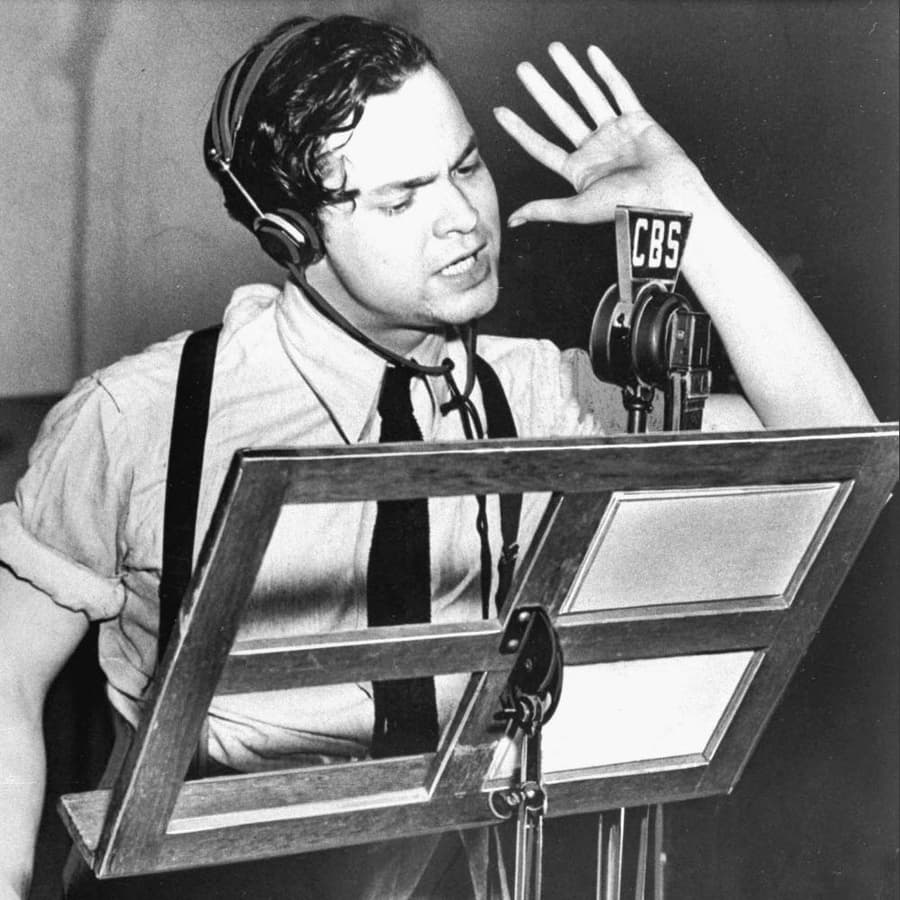
In an era of heightened awareness about misinformation, a new book sheds light on one of the most infamous examples of mass media panic in American history. 'Dead Air: The Night Orson Welles Terrified America,' by bestselling author William Elliott Hazelgrove, offers a fresh perspective on the widespread impact of the 1938 'War of the Worlds' radio broadcast.
Released on November 18, 2024, by Rowman and Littlefield, the book challenges the long-held belief that the panic was largely confined to the East Coast. Through extensive research of newspapers across the country, Hazelgrove reveals that the broadcast's effects were far more widespread and intense than previously reported.
The book recounts numerous dramatic incidents sparked by the broadcast, including people abandoning social events, contemplating suicide, and engaging in reckless behavior in the belief that Martians were invading. These stories paint a vivid picture of the broadcast's power to incite fear and confusion on a national scale.
Hazelgrove's work is particularly timely, drawing parallels between the 1938 incident and contemporary issues surrounding fake news and media credibility. The author highlights how Welles' use of a breaking news bulletin format convinced many listeners that the fictional Martian invasion was real, demonstrating the potential for media to shape public perception dramatically.
The book has garnered praise from notable publications, including the Wall Street Journal and Publishers Weekly. It offers insights into the nature of mass communication and public response to perceived threats, which remain relevant in today's digital age.
'Dead Air' not only provides a historical account of a significant media event but also serves as a cautionary tale about the power of broadcasting and the responsibilities that come with it. The book's revelations about the nationwide impact of Welles' broadcast offer valuable lessons for modern media consumers and producers alike, emphasizing the importance of critical thinking and media literacy in an age of information overload.
As debates about the influence of media and the spread of misinformation continue to dominate public discourse, Hazelgrove's book offers a historical lens through which to view these contemporary issues. By revisiting this pivotal moment in broadcasting history, 'Dead Air' contributes to ongoing discussions about the role of media in society and the potential consequences of blurring the lines between fact and fiction.