

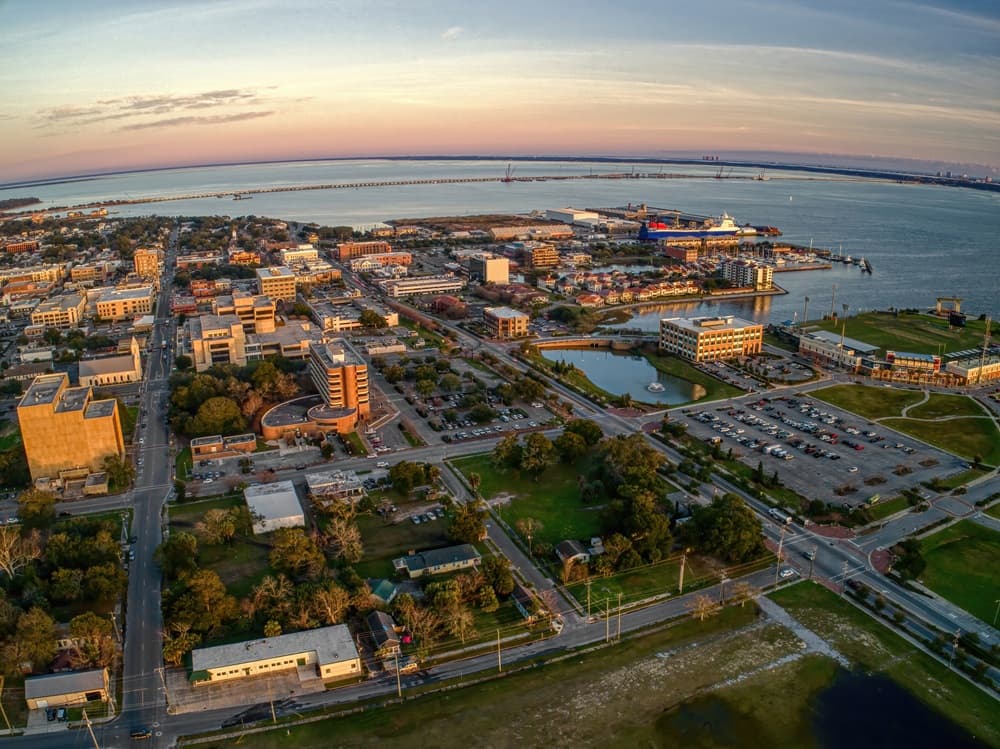
Pensacola's downtown property values have soared from roughly $550 million in 2005 to several billion dollars today, a transformation that Quint Studer, founder of the Studer Community Institute, attributes to a deliberate sequence of investments guided by Gallup research. In a recent episode of Beyond the Build, the official podcast of Associated Builders and Contractors North Florida, Studer detailed the framework that he says can be replicated in other communities.
Host Kelvin Enfinger, Vice President at Greenhut Construction and past chair of ABC North Florida, drew Studer into a discussion on the mechanics of community investment. The framework, grounded in a 2005 Gallup study on why some communities thrive, consists of three principles: invest in existing local businesses first, support startups second, and activate a vibrant downtown third.
Studer emphasized that the first step is not about attracting outside capital but building capacity in existing local businesses. This includes helping contractors improve business skills like estimating and project management. Communities that skip this step often struggle to sustain outside investment. The second priority is entrepreneur support; Studer has been a first client for startup construction companies and helped small food businesses gain a foothold at Blue Wahoo Stadium.
The third and most consequential element, according to Studer, is a vibrant downtown. He noted that young workers consistently cite jobs and a compelling downtown as key factors in location decisions. The Blue Wahoo Stadium was deliberately located with limited parking to force foot traffic through downtown, spurring restaurants, retail, and offices. Class A office space had to expand by a fourth floor to meet demand. Residential development, such as Studer's Southtown project, proved the viability of apartment buildings, unlocking financing for others.
Studer also addressed organized resistance to growth through Civicon, a program that brought national experts to address objections with evidence. A UCLA gentrification expert concluded Pensacola had a housing supply problem, not a gentrification problem, changing the debate. Harvard researcher John Carter noted that few markets today have a dominant employer, newspaper, and bank to move a community, so critical mass of informed voices is essential.
For developers and economic development professionals, the Pensacola case offers a replicable sequence: local business capacity, startup support, downtown activation, and residential density. The assessed value numbers suggest it works. The podcast episode is available on major platforms and YouTube.
