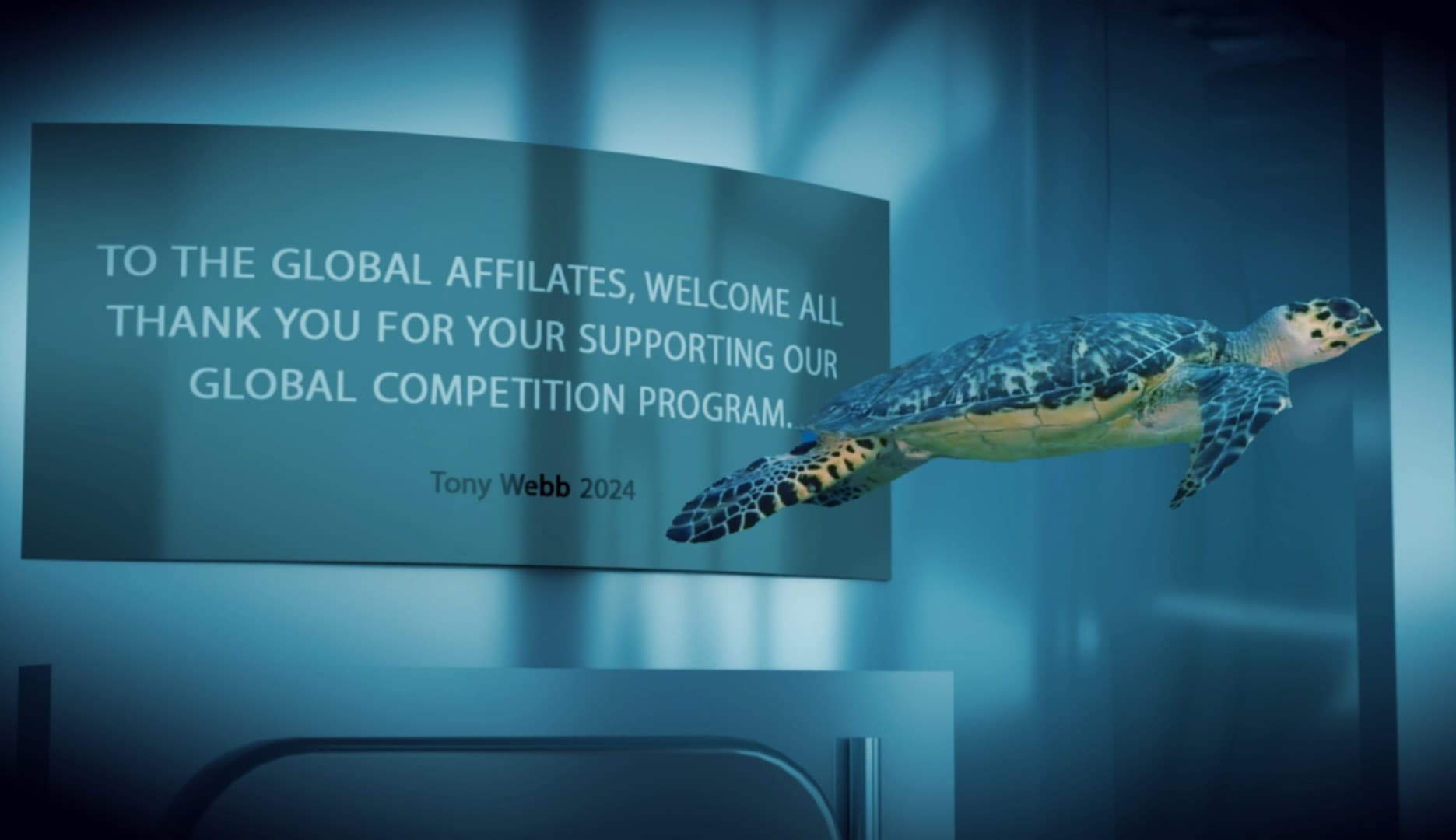
Planet Ocean Underwater Hotels, LLC has announced the creation of a regulated pathway to safe human living underwater, marking what the company describes as the first time such habitation moves beyond experimental or permanent structures. The system is enabled by U.S. Patent Design D-736947 and advanced through the USA–UAE Coral Civilization Initiative. According to Managing Director Tony Webb, this development represents a significant shift in underwater habitation capabilities.
The company's design establishes a movable, non-anchored, zero-discharge underwater living platform that operates at shallow, human-safe depths while remaining fully retrievable, relocatable, and storm-evasive. This approach differs from previous underwater living concepts by emphasizing mobility and safety rather than permanent installation. The platform operates at depths no greater than 30 feet, which the company identifies as optimal for human safety and comfort.
The implications of this announcement extend beyond technological achievement to create what Planet Ocean describes as "a new category of tourism that blends hospitality, science and conservation into a single operational underwater platform." This represents a potential expansion of the tourism industry into previously inaccessible environments while incorporating scientific and conservation elements. The company positions this as accessible to ordinary people rather than specialized researchers or extreme adventurers.
Planet Ocean Underwater Hotels, based in Key West, Florida, operates as an employee-owned endeavor with fabrication, assembly and training facilities in the Houma and Morgan City area of Louisiana. The company fabricates and operates what it describes as affordable movable underwater luxury hotels for global supporters. The development represents a tangible step toward making underwater living experiences available to a broader demographic.
The establishment of a documented, patent-protected pathway addresses previous barriers to underwater habitation, including safety concerns, environmental impact, and practical limitations of permanent structures. The movable design allows for adaptation to changing conditions and locations, potentially opening new areas for underwater tourism development. The company's approach through the USA–UAE Coral Civilization Initiative suggests international collaboration in advancing underwater habitation technology.
For more information about the company and its developments, visit https://www.planetoceanunderwaterhotel.com. The announcement represents a significant development in underwater technology with potential implications for tourism, marine research, and human interaction with ocean environments.