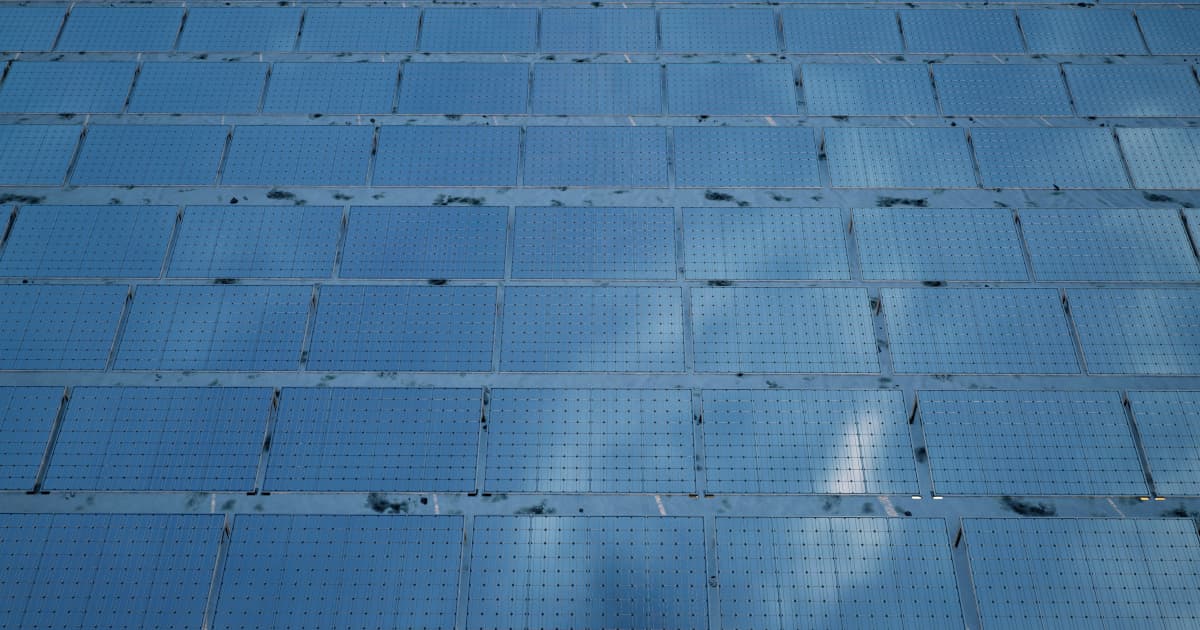
PowerBank Corporation (NASDAQ: SUUN) is advancing three community solar projects in Nova Scotia communities of Sydney, Brooklyn, and West Petpeswick, marking significant progress in the region's renewable energy transition. The developments represent a combined 12.4 MW DC of solar capacity that will generate approximately 14,369 megawatt hours of clean electricity annually, enough to power the equivalent of 1,140 homes.
The environmental impact of these projects is substantial, with expected annual carbon dioxide reductions of roughly 10,058 tonnes. This reduction equates to removing 3,081 passenger vehicles from Nova Scotia roads each year, contributing meaningfully to provincial climate goals. The timing aligns with Nova Scotia's target of sourcing 80% of its electricity from renewable sources by 2030, positioning these projects as critical infrastructure for meeting provincial clean energy mandates.
Beyond environmental benefits, the solar developments promise significant economic advantages for local communities. Lifetime savings for residents are estimated at $6.95 million, providing financial relief while supporting energy independence. The community solar model allows multiple households to benefit from a shared solar array, making renewable energy accessible to residents who might not otherwise have access to solar power due to roof limitations, shading issues, or financial constraints.
Construction is scheduled to begin in spring 2026, contingent upon final interconnection results and securing necessary financing according to company statements available at https://ibn.fm/KEBUi. The progression of these projects demonstrates PowerBank's continued focus on distributed and community solar initiatives throughout Canada and the United States.
The significance of these developments extends beyond immediate community benefits, representing a broader shift toward decentralized energy systems that enhance grid resilience and reduce transmission losses. As climate concerns intensify and energy costs fluctuate, community solar projects offer a replicable model for other regions seeking to balance environmental goals with economic practicality while providing tangible benefits directly to local residents.