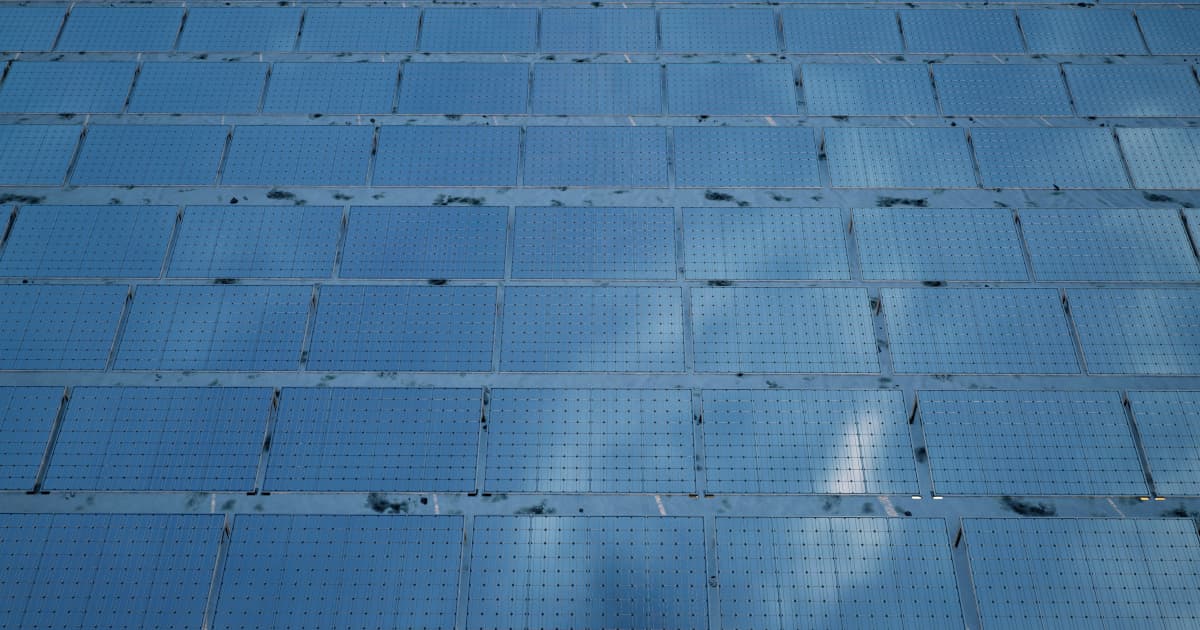
PowerBank Corporation (NASDAQ: SUUN) has announced significant progress on three community solar projects in Nova Scotia, located in Sydney, Brooklyn, and West Petpeswick. The projects, developed in partnership with Trimac Engineering and owned by AI Renewable Flow-through Fund, are expected to receive interconnection results within the next 30 days, with construction targeted to begin in spring 2026 pending positive results and secured financing.
The three projects represent a substantial contribution to Nova Scotia's renewable energy infrastructure, contributing 12.4 MW DC toward the province's clean energy goals. This development is particularly important as it demonstrates the growing viability of community solar projects in Canadian markets and showcases PowerBank's expertise in delivering distributed energy solutions across North America.
According to the company's announcement available at https://ibn.fm/Hqmfm, the projects are expected to generate up to $6.95 million in lifetime electricity savings for local communities. This financial benefit directly impacts Nova Scotia residents by potentially lowering energy costs while simultaneously supporting job creation, enhancing grid reliability, and reducing emissions.
The advancement of these projects positions PowerBank for further growth in Canada's emerging clean energy market. The company, which focuses on distributed and community solar projects in Canada and the United States, has developed renewable and clean energy projects with a combined capacity of over 100 megawatts and maintains a potential development pipeline of over one gigawatt.
Investors and stakeholders should note that the company's forward-looking statements are subject to various risks and uncertainties, as detailed in their SEC filings available at https://ibn.fm/m1Rpy. The successful implementation of these projects depends on positive interconnection results and secured financing, which are expected to be determined within the coming month.
This development underscores the increasing importance of community solar in North America's energy transition, providing both environmental benefits and economic advantages to local communities while supporting regional renewable energy targets.