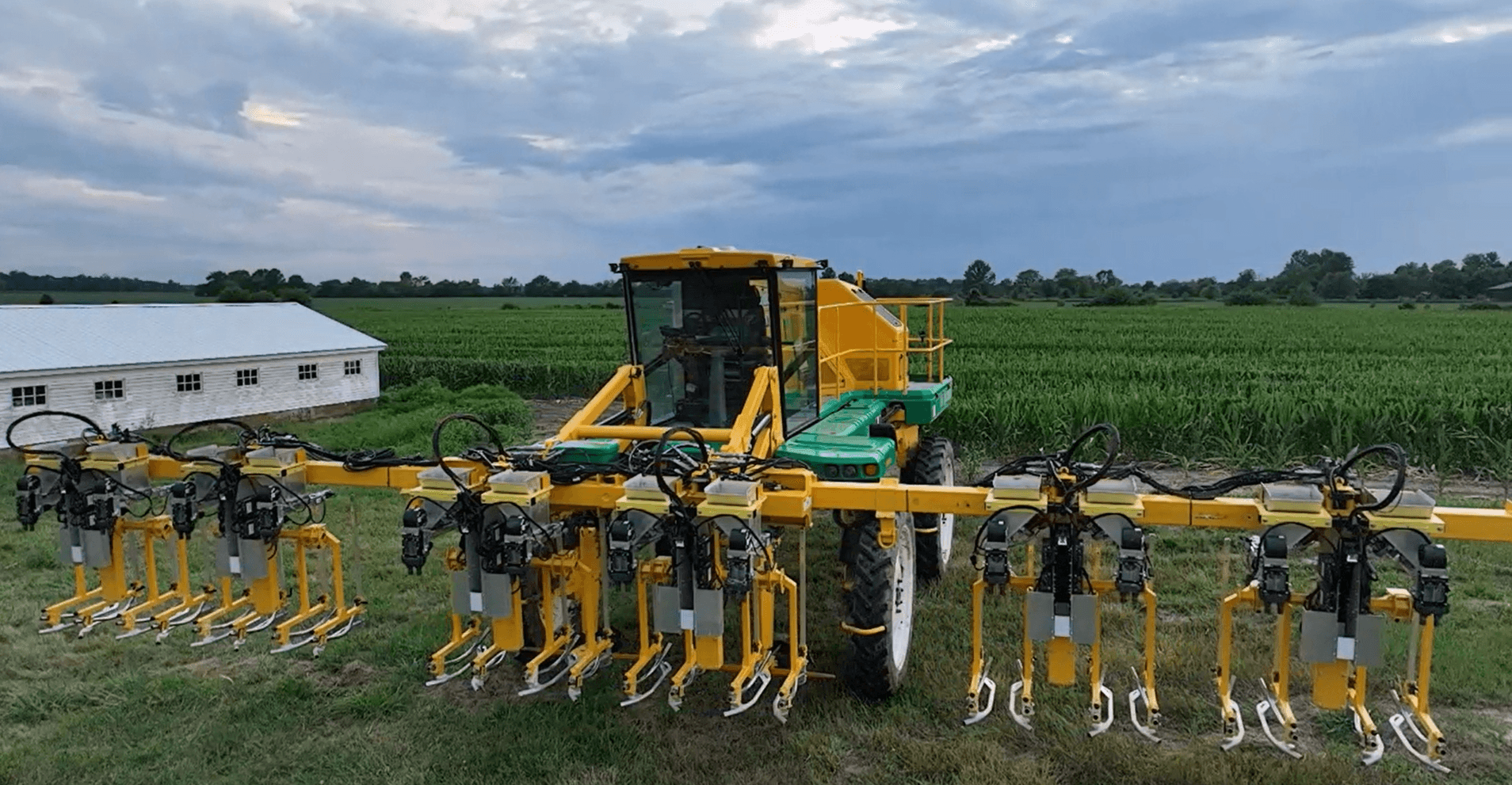
PowerPollen and Oxbo announced an exclusive partnership through 2030 that delivers the first commercial mechanized pollination system for corn seed production. Seed companies can now directly purchase, integrate, and scale the technology ahead of the 2026 growing season, marking a significant shift from service-based pollination to an owned equipment model.
The partnership integrates PowerPollen's second-generation pollination technology stack with Oxbo's 5180 high-clearance power units, creating what the companies describe as a breakthrough in commercial pollination technology. This mechanized solution allows seed producers to own and operate their own pollination units rather than relying on pollination services, providing greater control over their production processes.
The technology enables precise, on-demand pollination that reduces weather and timing risks while improving seed quality. According to the companies, the system increases yields by more than 20% across commercial acres, representing a substantial improvement in agricultural productivity. The mechanized approach addresses traditional pollination challenges that have limited seed production efficiency and reliability.
This announcement represents a strategic business shift for PowerPollen, moving from a service model to a scalable product platform with global market potential. The company has applied its patented pollination technology across thousands of commercial acres over several years, following multiple seasons of year-round field trials. More information about PowerPollen's technology is available at https://www.powerpollen.com.
Oxbo brings specialized agricultural equipment expertise to the partnership, serving application, forage, fruit, seed, vegetable, and root crop markets with controlled application technology. The company's global engineering, manufacturing, sales, and service support infrastructure will help scale the pollination system. Additional details about Oxbo's capabilities can be found at https://www.oxbo.com.
The mechanized pollination system matters because it addresses fundamental challenges in agricultural production. Traditional pollination methods are vulnerable to weather conditions, timing issues, and labor constraints, creating uncertainty in seed production. By providing seed companies with reliable, on-demand pollination technology they can own and operate, this partnership could transform how hybrid corn seed is produced globally.
The potential impact extends beyond individual seed companies to the broader agricultural industry and global food systems. Increased seed production efficiency and reliability could lead to more consistent seed supplies, potentially stabilizing crop production and contributing to food security. The reported 20%+ yield improvement represents significant economic value for seed producers and could influence agricultural productivity metrics across corn-growing regions worldwide.
As climate variability increases pressure on agricultural systems, technologies that reduce weather-related production risks become increasingly valuable. The ability to conduct pollination on-demand rather than being constrained by narrow weather windows could make seed production more resilient to changing environmental conditions. This development represents a notable advancement in agricultural technology with implications for seed production efficiency, crop yields, and agricultural sustainability.