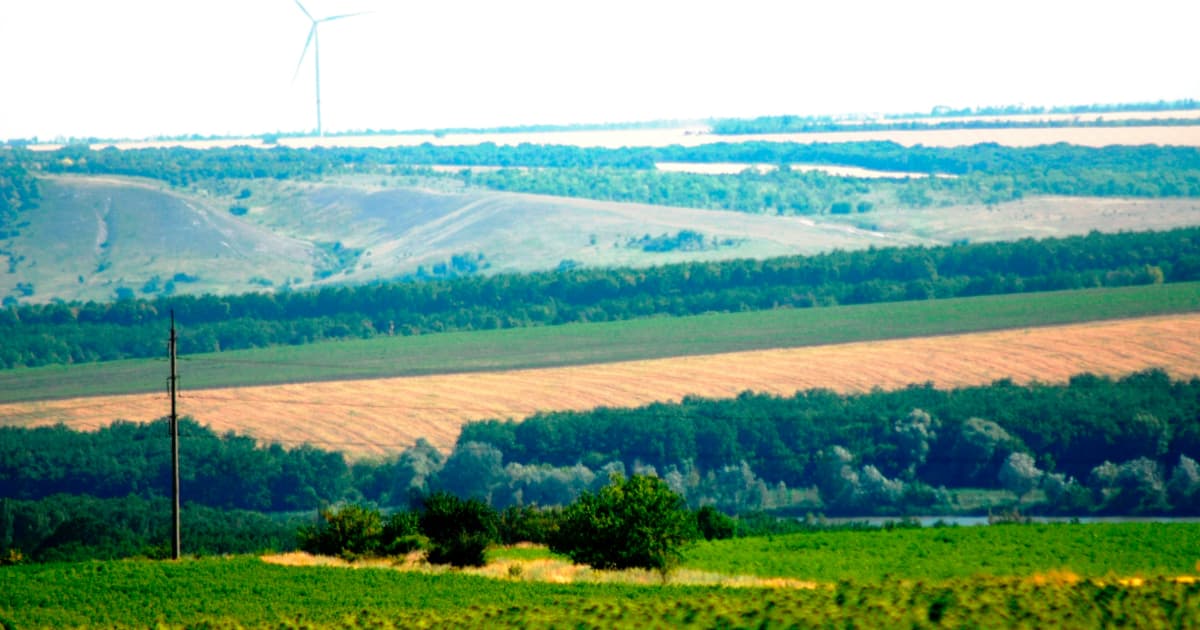
The global transition to clean energy represents a critical response to climate change, but renewable infrastructure development poses increasing threats to wildlife ecosystems according to industry analysis. Large-scale solar panel arrays can displace native species, rotating wind turbine blades strike flying animals, and river barriers for hydropower destroy aquatic ecosystems. This creates significant tension between international climate commitments to cut emissions and the parallel need to protect natural habitats.
Companies focusing on the energy transition through innovative approaches demonstrate practical pathways for renewable energy adoption that minimize ecological disruption. Organizations like GreenEnergyStocks highlight how leveraging existing infrastructure, such as building rooftops for solar installations, can provide renewable energy without the land-use conflicts associated with large ground-mounted arrays. This approach represents one of several emerging strategies that show how careful planning can deliver both climate and conservation outcomes.
The challenge lies in balancing the urgent need for clean energy deployment with protecting vulnerable ecosystems. As nations work to meet their climate targets under international agreements, the scale of renewable infrastructure required could potentially impact vast areas of natural habitat if not properly managed. The ecological consequences extend beyond immediate habitat loss to include fragmentation of wildlife corridors, disruption of migration patterns, and direct mortality of species through collisions or other infrastructure-related hazards.
Industry experts emphasize that the solution involves integrating conservation principles into renewable energy planning from the earliest stages of development. This includes conducting thorough environmental impact assessments, selecting sites with minimal ecological sensitivity, implementing mitigation measures for unavoidable impacts, and exploring technologies that reduce wildlife conflicts. The comprehensive terms and conditions for such environmental reporting and analysis are available at https://www.greennrgstocks.com/Disclaimer.
This balanced approach matters because it addresses the interconnected crises of climate change and biodiversity loss simultaneously. As renewable energy deployment accelerates globally, getting the balance right between clean energy generation and ecosystem protection will determine whether we solve one environmental problem while creating another. The emerging strategies demonstrate that with proper planning, technological innovation, and strategic siting, the world can achieve its climate goals without sacrificing the natural systems that sustain both wildlife and human communities.