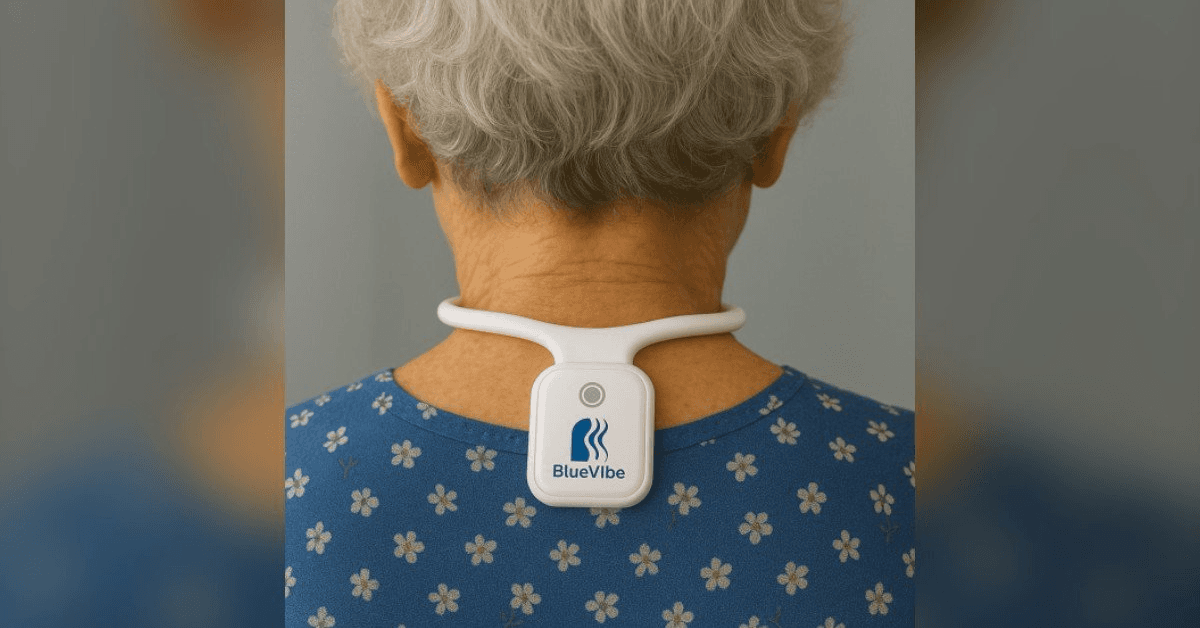
ResonaHealth released results from a real-world human user study showing its BlueVibe technology achieved a 100% success rate in improving cognitive function among participants. Over a six-week period, every individual included in the final analysis demonstrated measurable gains in mental clarity, focus, and memory-related performance, positioning the technology as a potentially transformative tool in cognitive wellness.
The study monitored participants aged 55 to 79 using the standardized PROMIS cognitive assessment to measure performance before and after using the BlueVibe device. Participants used the device for an average of one hour per day, with data yielding a statistical confidence level exceeding 99.99% (p = 0.0002), indicating results were directly attributable to the protocol rather than random chance. This level of statistical significance is rare in cognitive intervention studies and suggests the technology produces consistent, reliable effects.
Key findings from the study reveal universal improvement among all participants, with zero individuals experiencing cognitive decline. Representative participants saw score increases as high as 63 points on the 160-point PROMIS scale, indicating substantial rather than marginal improvements. Beyond quantitative measures, participants reported tangible real-world benefits including improved sleep quality, enhanced concentration, and greater mental sharpness. Additional feedback highlighted "a peaceful feeling," "brightened mood," and the ability to achieve better sleep without medication.
The BlueVibe protocol is informed by research on rhythmic stimulation and its impact on brain activity, but the study focused on practical outcomes rather than theoretical mechanisms. Mark Fox noted the consistency observed in the study was remarkable, stating that while many technologies produce mixed results with some "super-responders," seeing every single participant report measurable improvement positions BlueVibe as uniquely reliable in the cognitive wellness space.
This development matters because cognitive decline affects millions globally, with limited effective non-pharmaceutical interventions available. The study's 100% success rate suggests BlueVibe could offer a consistent, accessible approach to maintaining cognitive health, particularly for older adults. The technology's general wellness classification means it could reach broader populations than prescription treatments, potentially impacting how individuals approach cognitive maintenance as part of overall health. For more information about ResonaHealth's approach, visit https://www.resonahealth.com.