

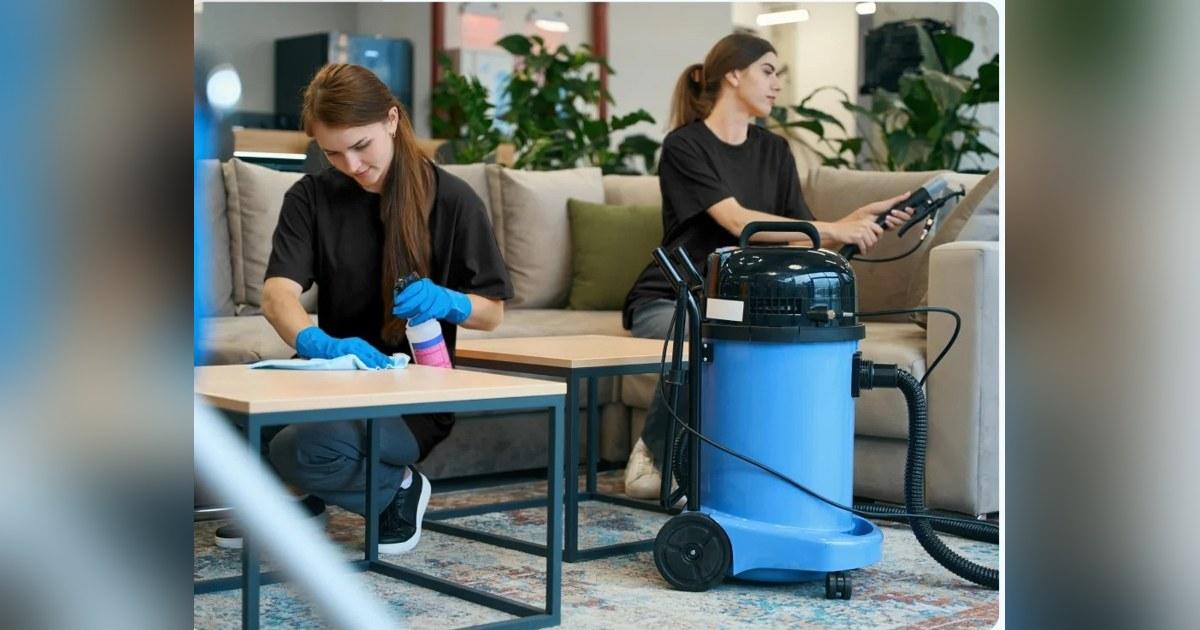
As winter approaches in Rochester, businesses face months of snow, road salt, slush, and sand being tracked into commercial buildings. From entryways and corridors to elevator lobbies and shared spaces, seasonal debris can affect the appearance and condition of floors. Precision Commercial Cleaning is highlighting the importance of a winter floor care plan tailored to the materials and traffic patterns found in local facilities.
Rochester's lake-effect snowfall typically brings sustained winter maintenance demands from November through March. Tracked-in grit can scratch and wear down floor finishes, while salt and moisture can leave residue on tile and grout. Entryway carpeting can also collect embedded soil over the course of the season. The implications for facility managers are significant: neglecting seasonal buildup can lead to more extensive and costly wear, potentially disrupting operations and affecting a building's professional appearance.
Different floors require different winter care. A consistent cleaning schedule is important, but the appropriate maintenance method depends on the flooring material. VCT, tile and grout, marble, carpet, and polished concrete each require specific care.
For VCT floors, accumulated wax and grit can contribute to a dull appearance and deteriorating finish. Precision provides stripping and waxing services to remove old finish and apply fresh protective coats. Between full treatments, spray buffing and top-coating can help maintain the surface. The company notes that many facilities schedule a full strip-and-wax cycle once or twice per year, depending on traffic.
Tile and grout present another seasonal challenge. Grout is porous and can absorb tracked-in soil and residue. Precision uses hot-water extraction with appropriate cleaning solutions to remove embedded buildup, followed by penetrating grout sealer to help slow future soiling. Carpeted entryways and corridors may need periodic hot-water extraction to remove soil that routine vacuuming cannot reach. Marble and polished stone require pH-neutral cleaners and suitable pads, while polished concrete may need specialized grinding, densifying, or guard treatments.
Winter floor care needs can vary across a building. Entrances, corridors, and elevator lobbies often experience more foot traffic and may require more frequent attention than less-used areas. A facility assessment can help determine which surfaces need restoration, routine maintenance, or more frequent cleaning. Through its commercial floor cleaning in Rochester, NY, Precision Commercial Cleaning services multiple flooring types under one provider. The company begins with an on-site walkthrough to assess floor materials, current conditions, and traffic levels before preparing a written estimate and maintenance recommendations.
Precision also documents floor care visits through digital reports and photo records. Its floor care teams are assigned based on experience with specific surfaces, with monthly skill assessments conducted across its workforce.
Founded in Rochester in 2019, Precision Commercial Cleaning reports employing approximately 400 local workers and serving commercial facilities throughout the area. The company is a member of the Building Service Contractors Association International (BSCAI) and offers floor care alongside its broader commercial cleaning services. More information about Precision Commercial Cleaning's floor care services is available at its website.
As winter weather continues to bring salt, sand, and moisture into local buildings, a maintenance plan based on flooring type and building traffic can help facility managers address seasonal buildup before it contributes to more extensive wear. For Rochester businesses, the announcement underscores that proactive winter floor care is not merely cosmetic but a practical investment in preserving facility assets and avoiding disruptive, costly repairs.
