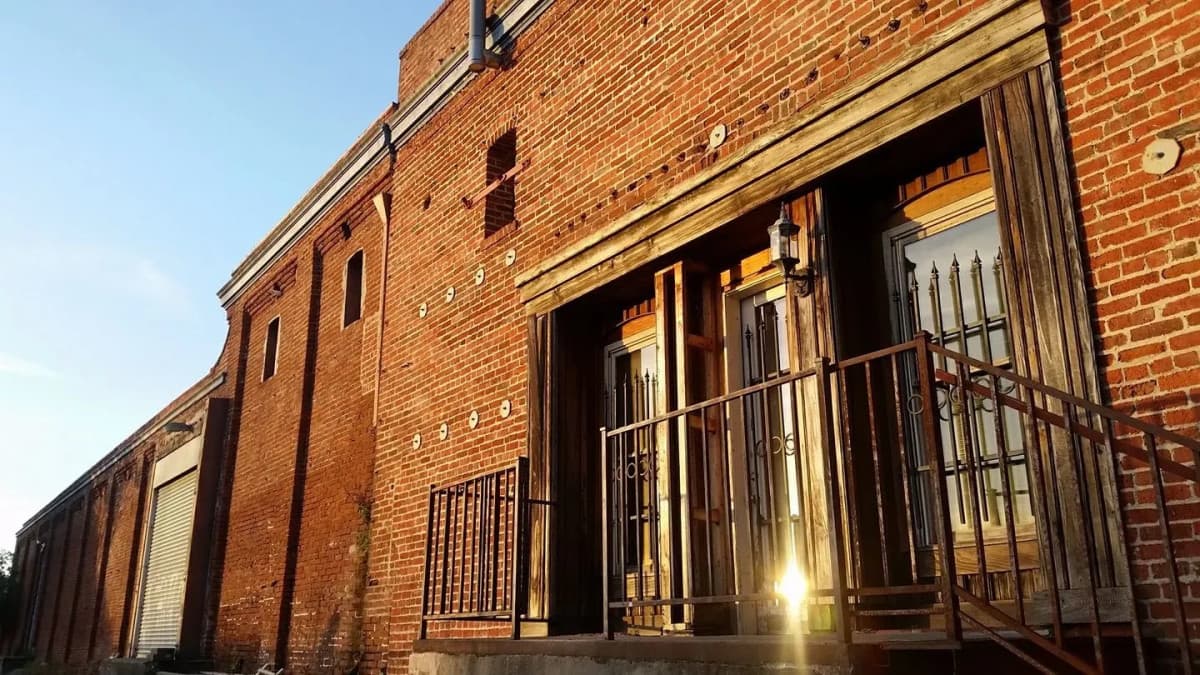
Every Monday evening from 7:00 PM to 9:00 PM, The Arlene Francis Center in Santa Rosa transforms into a creative laboratory where laughter and experimentation take priority over perfection. Evil Comedy hosts open practice sessions designed for all experience levels, offering a welcoming alternative to traditional comedy classes that can feel intimidating or rigid. This initiative matters because it addresses the significant barrier of accessibility in creative arts, making comedy development available to anyone regardless of financial means or prior experience.
The practice sessions incorporate improv exercises, sketch comedy brainstorming, and stand-up development work, allowing participants to explore different comedic forms in a supportive environment. There are no auditions or prerequisites, and the emphasis remains on learning through participation rather than achieving polished performances. For individuals searching online for Improv Classes Near Me or Comedy Classes Near Me, this weekly gathering provides a flexible workshop atmosphere that blends structured activities with creative freedom.
Accessibility stands as a cornerstone of the program's importance. With a suggested donation of just $5 and a firm policy that no one is turned away for inability to pay, Evil Comedy removes financial barriers that often prevent people from pursuing creative interests. This pay-what-you-can model reflects a broader commitment to community support and mutual growth, positioning comedy as a collaborative art form rather than an exclusive skill. The timing—Monday evenings at the start of the week—makes the sessions accessible to students, working professionals, and creatives with busy schedules, while the 16+ age requirement welcomes both teenagers and adults.
Beyond immediate creative benefits, these practice nights build transferable skills including listening, collaboration, confidence, and adaptability. The supportive group culture emphasizes encouragement over critique, creating an environment where mistakes become learning opportunities rather than failures. This approach has implications for personal development beyond comedy, as participants gain communication tools applicable to professional and social contexts. The sessions also connect to performance opportunities through Evil Comedy shows at the same venue, demonstrating a clear pathway from practice to stage.
The broader significance lies in how this model challenges traditional arts education structures. By eliminating financial barriers, experience requirements, and performance pressure, Evil Comedy creates an inclusive space where community building becomes as important as skill development. This approach has potential implications for how creative arts organizations might structure their programming to reach wider audiences. As creative outlets become increasingly important for mental wellbeing and social connection, accessible programs like this demonstrate how communities can support artistic exploration without gatekeeping or exclusivity.