

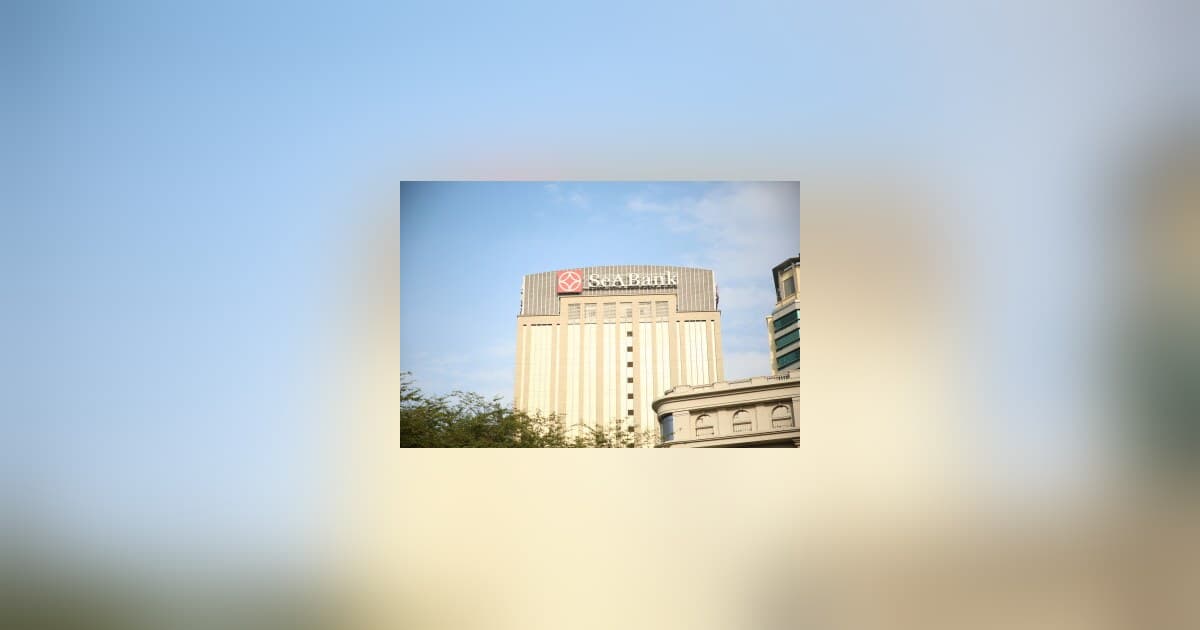
Southeast Asia Commercial Joint Stock Bank (SeABank, stock code: SSB) has announced its Sustainable Finance Framework (SFF), which received a Second-Party Opinion (SPO) from S&P Global Ratings on September 24, 2026. According to the announcement carried by Media OutReach Newswire, the framework establishes a foundation for funding growth and capital allocation toward SeABank's sustainability commitments.
The SFF aligns with six international principles and guidelines issued by the International Capital Market Association (ICMA), Loan Market Association (LMA), Asia-Pacific Loan Market Association (APLMA), Loan Syndications and Trading Association (LSTA), and International Finance Corporation (IFC). It governs the full fund lifecycle through four pillars: use of proceeds, process for evaluation and selection, management of proceeds, and reporting. Funding under the framework will support eligible projects across 14 green categories (40-45%), 7 blue categories (10-15%), and 5 social objectives (40-45%).
This initiative aims to address Vietnam's environmental and social challenges, such as emissions, water security, waste management and pollution, while improving underserved communities' access to vital services, housing and finance. SeABank also supports marine biodiversity and ecosystem conservation, pioneering the field of blue financing. The framework sets quantitative criteria, such as a minimum 20% performance improvement in energy savings, emission reduction or water efficiency. All credit exposures are screened and assessed through SeABank's Environmental and Social Management System (ESMS). These criteria and reporting mechanisms aim to enhance accountability and integrate sustainable finance into operations.
Building on its 2025 Green and Blue Bond Framework, ICMA-aligned and rated "Medium Green" by S&P Global Ratings, the updated framework adds lending and social objectives, unifying green, blue, and social financing under one structure. Through these moves, SeABank has mobilized nearly US$1.1 billion from international institutions, including IFC, AIIB, Norfund, Proparco, FMO, and DFC. As of September 2026, outstanding green credit exceeded VND4.1 trillion, up over 150% from end-2025. By 2030, SeABank targets green credit at 5% of total outstanding loans alongside a 10% reduction in greenhouse gas emissions against its baseline year, while expanding financial access for vulnerable groups, women-owned businesses, and MSMEs.
Guided by its sustainability vision, SeABank is integrating ESG criteria into its long-term strategy and operations. The SFF serves as an indispensable instrument for capital mobilization and deployment, empowering clients' green transition as Vietnam advances toward Net-Zero by 2050. The full details of SeABank's SFF and the S&P Global SPO are available for stakeholders. This development is significant for Vietnam's financial sector as it demonstrates a concrete step toward aligning banking practices with global sustainability standards and mobilizing international capital for green and inclusive growth.
