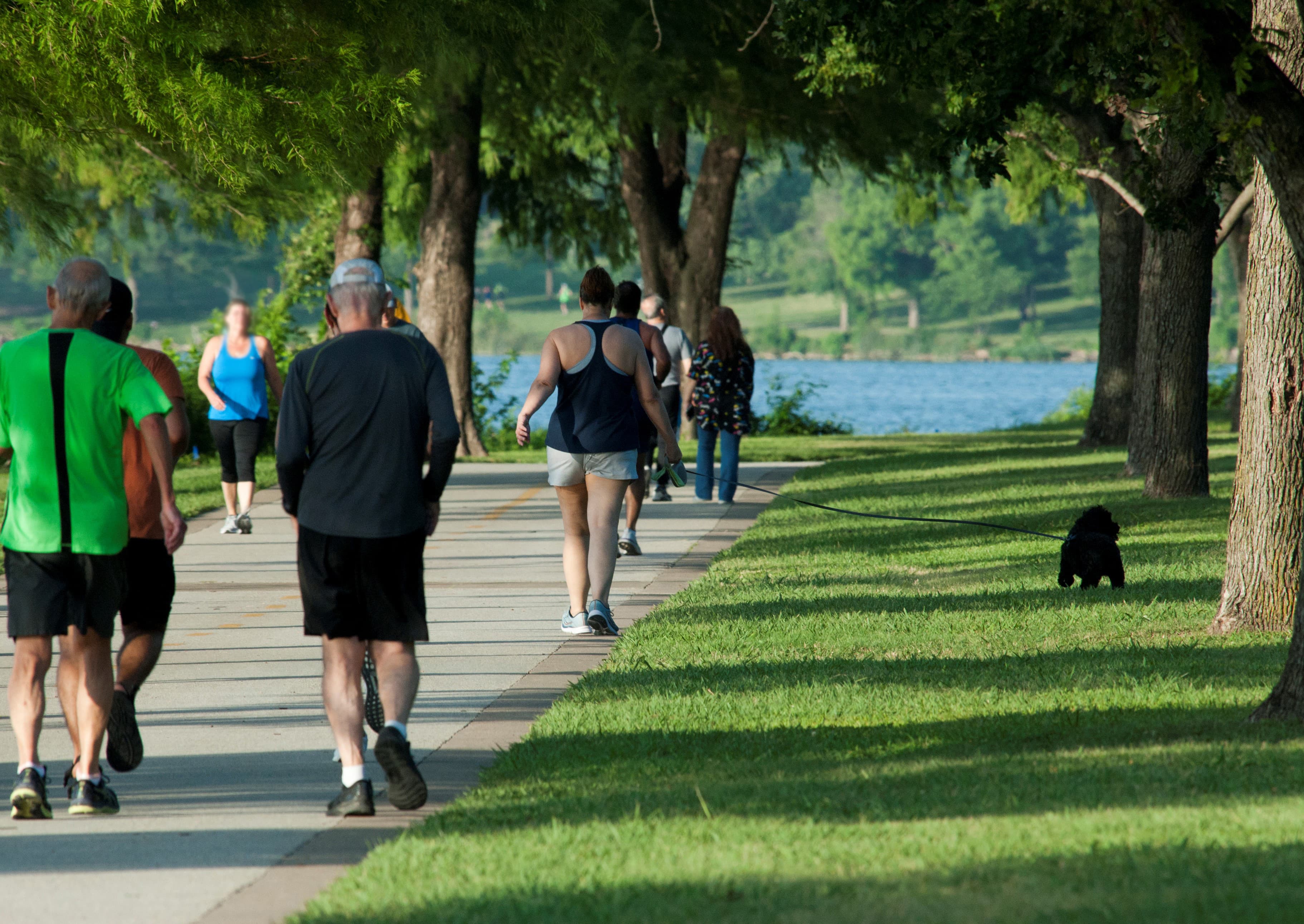
Patients recovering from cardiac events who spend more than 14 hours daily in sedentary activities face a substantially higher risk of subsequent cardiovascular complications, according to a recent study published in Circulation: Cardiovascular Quality and Outcomes.
Researchers tracked approximately 600 adults aged 21 to 96 who were treated for heart-related issues, using wrist accelerometers to measure daily physical activity. The study found that participants with the lowest activity levels had 2.58 times higher risk of experiencing another heart problem or dying within a year compared to the most active group.
The research revealed promising alternatives to prolonged sitting. Replacing 30 minutes of sedentary time with moderate to vigorous physical activity reduced cardiovascular event risk by 61%, while light-intensity physical activity reduced risk by 50%. Notably, even replacing sedentary time with an additional 30 minutes of sleep lowered risk by 14%.
Lead author Keith Diaz emphasized that patients need not engage in intense exercise to see benefits. Simple activities like walking, tidying up, or gardening can significantly improve health outcomes. The study suggests a more flexible approach to physical activity recommendations for patients recovering from cardiac events.
These findings underscore the importance of movement and rest in cardiovascular recovery, providing patients and healthcare professionals with actionable insights for post-cardiac event rehabilitation strategies.