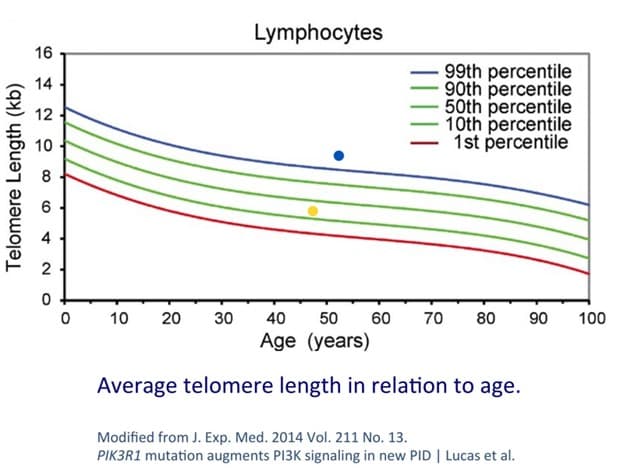
A groundbreaking six-year study conducted by entrepreneur Greg Lindberg has demonstrated that a regimen of weekly intermittent fasting, coupled with intense physical and mental exercises, can substantially increase the length of telomeres—the protective caps at the end of chromosomes associated with cellular aging and longevity.
Lindberg's research, which spanned from April 2018 to July 2024, showed a remarkable increase in his own telomere length from 7.01 kb to 10.46 kb, effectively reversing his cellular age from that of an average 60-year-old to an 18-year-old. This significant improvement occurred despite Lindberg facing considerable personal and legal challenges during the study period, including divorce, legal battles, and time in federal prison.
The study's findings challenge the long-held Hayflick limit theory, which posits that cells have a predetermined lifespan based on telomere shortening. Lindberg's results suggest that telomeres can not only be preserved but potentially lengthened through lifestyle interventions, particularly his 'Only Eat On Weekends™' program.
This program involves water-only fasts for over 90 hours per week, combined with daily exercise and mental stimulation. Lindberg emphasizes the importance of rigorous physical activity, mental exertion, social interaction, and a balanced diet during eating periods as crucial components of the anti-aging regimen.
The implications of this research are far-reaching for the fields of gerontology and preventive medicine. If corroborated by further studies, these findings could revolutionize approaches to aging and age-related diseases. The potential to increase telomere length through lifestyle modifications offers a non-pharmaceutical intervention for extending healthspan and potentially lifespan.
While the study is based on Lindberg's personal experience and requires further scientific validation, it aligns with previous research indicating that lifestyle factors can influence telomere length. The simplicity and accessibility of the proposed regimen—essentially fasting for most of the week—make it an intriguing option for those seeking to impact their cellular aging process.
As the global population ages and healthcare systems face increasing pressure from age-related diseases, interventions that could potentially slow or reverse cellular aging are of significant interest. Lindberg's study offers a promising avenue for further research into non-invasive methods to combat aging at the cellular level.
However, it is important to note that such an extreme fasting regimen may not be suitable for everyone and should be undertaken only under medical supervision. The scientific community will likely call for more extensive, controlled studies to verify these findings and explore their applicability to broader populations.