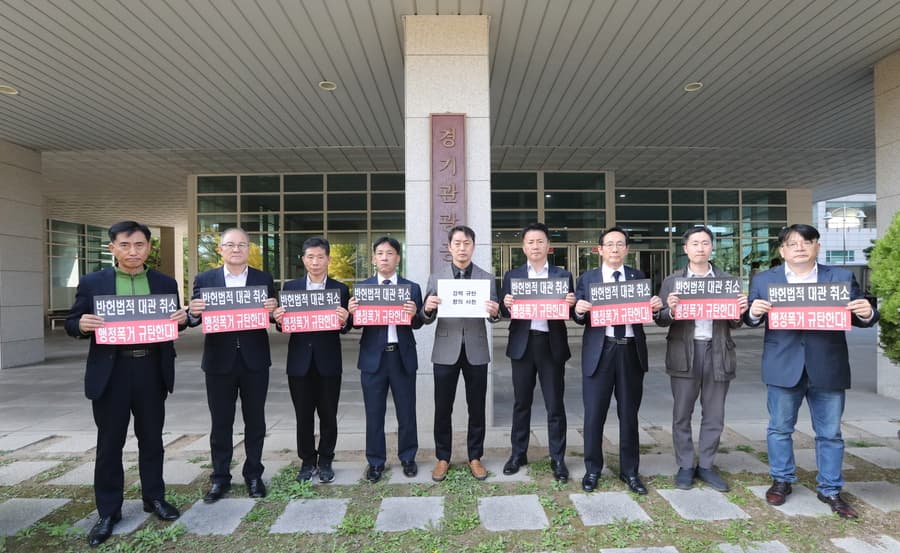
A recent administrative decision by South Korea's Gyeonggi Tourism Organization has thrust the country into the spotlight of international controversy surrounding religious freedom. The agency's last-minute cancellation of a venue rental for the 'Religious Leaders Forum and Graduation Ceremony' in Paju has sparked outrage and debate, with organizers claiming religious discrimination and violation of constitutional rights.
The event, jointly organized by the Association for Buddhist National Unification of Korea and Shincheonji Church of Jesus, was expected to draw over 30,000 participants from 57 countries, including 1,000 religious leaders representing various faiths. The abrupt cancellation, made without prior notice, has resulted in substantial financial losses for the organizers and raised questions about the state of religious tolerance in South Korea.
The Gyeonggi Tourism Organization cited security concerns related to North Korean actions and planned activities of a North Korean defector group as reasons for the cancellation. However, organizers have pointed out that other events in the same area, including civilian bike rides and foreign tourist visits to the DMZ, were allowed to proceed, suggesting potential discrimination against specific religious groups.
This incident has reignited international debate about religious freedom in South Korea, a country previously flagged in the U.S. State Department's International Religious Freedom Report for concerns related to the prosecution of religious groups and restrictions on mosque construction. The controversy highlights the delicate balance between security concerns and religious freedoms, and the potential for administrative decisions to impact international perceptions of a country's commitment to human rights.
The cancellation's implications extend beyond the immediate financial losses, potentially affecting South Korea's international reputation and its relationships with religious communities worldwide. As the organizers call for government intervention and international monitoring, the incident serves as a reminder of the ongoing challenges in maintaining religious freedom and the importance of transparent and equitable administrative practices in democratic societies.