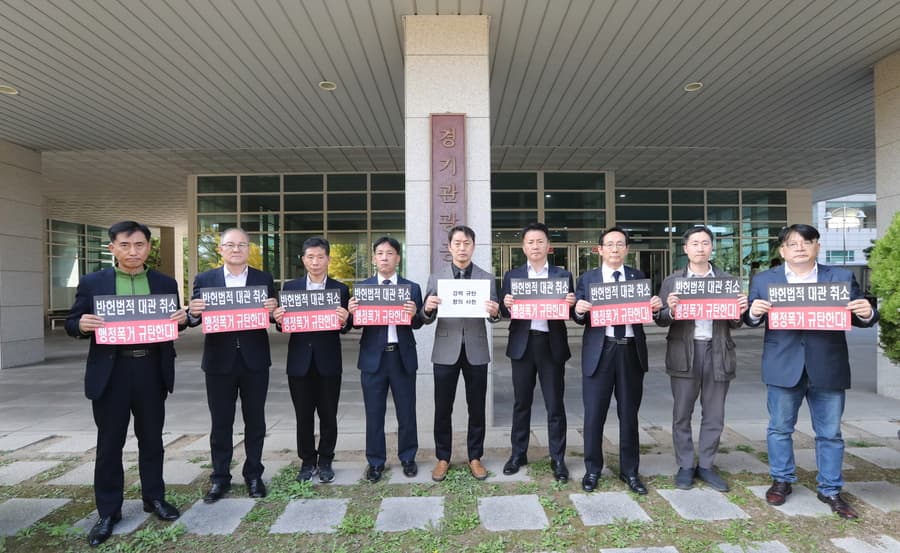
A decision by the Gyeonggi Tourism Organization, a public entity under Gyeonggi Province in South Korea, to cancel the venue for a major religious event has ignited a fierce debate on religious freedom and discrimination. The 'Religious Leaders Forum and Graduation Ceremony,' organized by the Association for Buddhist National Unification of Korea and Shincheonji Church of Jesus, was expected to draw over 30,000 participants from 57 countries before its abrupt cancellation on October 29th.
The organizers claim that the cancellation, which came without prior notice, resulted in significant financial losses and constitutes an unconstitutional act of discrimination. They argue that the decision violates religious freedom, human rights, and due process of law. The Gyeonggi Tourism Organization cited security concerns related to recent North Korean actions as the reason for the cancellation. However, the organizers point out that other events in the same area were allowed to proceed, suggesting targeted discrimination against their religious groups.
This incident has reignited international concerns about religious freedom in South Korea. The U.S. State Department's International Religious Freedom Report has previously highlighted issues such as the persecution of Shincheonji Church of Jesus and the government's refusal to approve mosque construction. The cancellation raises questions about the South Korean government's commitment to upholding religious freedoms and the principle of separation of church and state.
The controversy underscores the delicate balance between security concerns and religious rights, and how government actions can impact international perceptions of a country's stance on human rights. It also highlights the potential economic consequences of such decisions, as the cancellation affected a large-scale event with international participation.
As the situation unfolds, it may prompt increased scrutiny of South Korea's policies and practices regarding religious freedom from international human rights organizations and foreign governments. The incident serves as a reminder of the ongoing challenges in ensuring religious tolerance and equal treatment of all faith groups in an increasingly diverse global society.