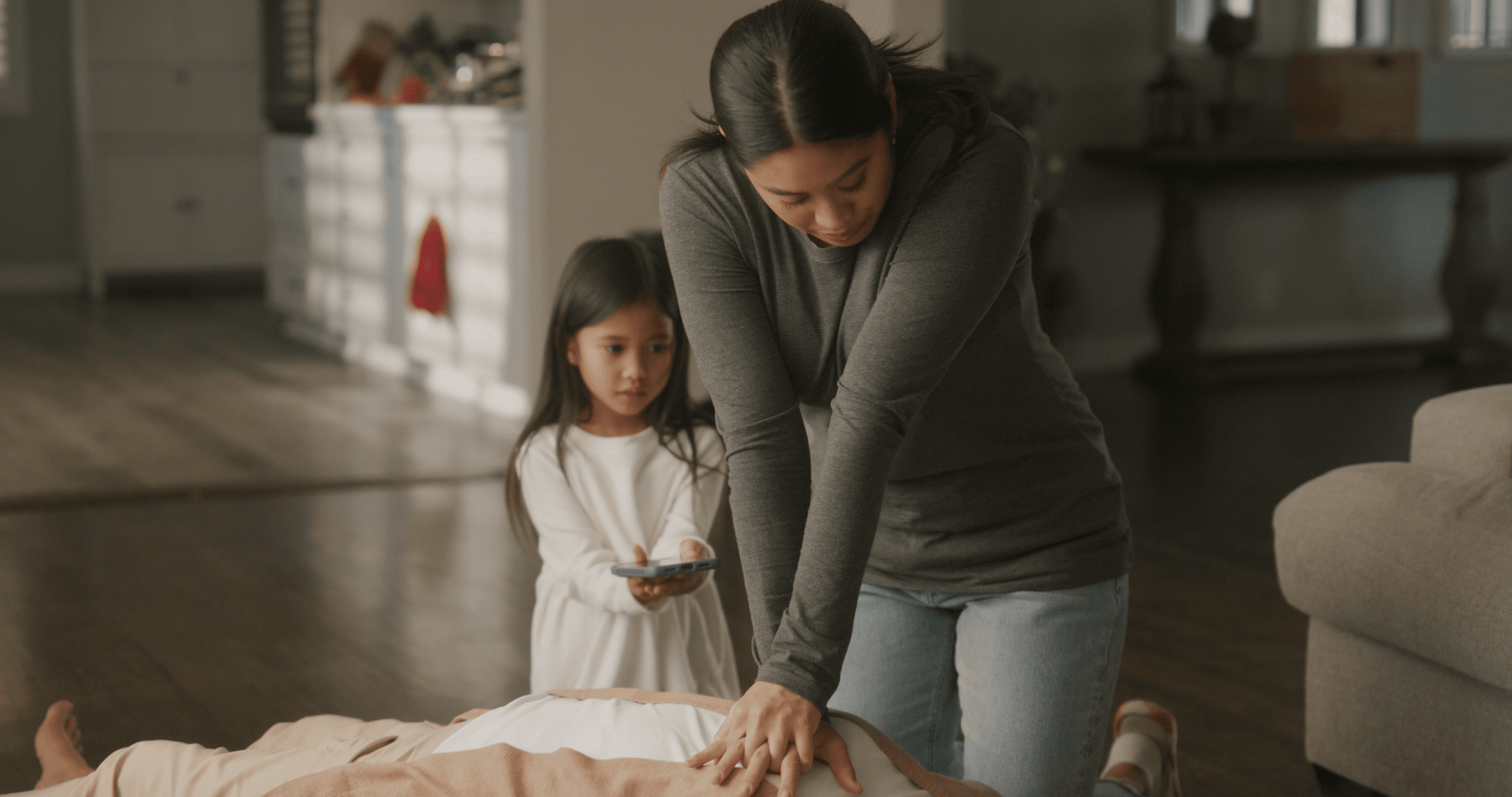
A new study presented at the American Heart Association's Resuscitation Science Symposium 2024 has found that bystander-initiated cardiopulmonary resuscitation (CPR) within 10 minutes of an out-of-hospital cardiac arrest can significantly improve survival rates and neurological outcomes. The research, which analyzed nearly 200,000 cases of witnessed out-of-hospital cardiac arrests in the United States from 2013 to 2022, underscores the critical importance of prompt intervention in emergency situations.
According to the study, individuals who received CPR within two minutes of cardiac arrest had an 81% higher rate of survival to hospital discharge and a 95% higher rate of favorable neurological outcomes compared to those who did not receive bystander CPR. Even when CPR was initiated up to 10 minutes after the cardiac arrest, there was still a 19% higher likelihood of survival to hospital discharge and a 22% higher chance of favorable neurological outcomes.
Dr. Evan O'Keefe, the study's lead author and a cardiovascular fellow at Saint Luke's Mid America Heart Institute, emphasized the importance of these findings, stating, 'Our results reinforce that every second counts when starting bystander CPR and even a few minutes delay can make a big difference.' The research highlights the need for increased public awareness and training in CPR techniques.
The study's implications extend beyond individual survival rates. With more than 357,000 out-of-hospital cardiac arrests occurring annually in the U.S., and a current survival rate of only 9.3%, these findings could have a significant impact on public health policies and emergency response strategies. The research suggests that expanding CPR training programs, improving access to automated external defibrillators (AEDs), and enhancing dispatch systems could substantially increase survival rates from cardiac arrests.
Dr. Anezi Uzendu, an American Heart Association volunteer expert and cardiac arrest survivor, stressed the importance of community education and empowerment in saving lives. The American Heart Association is urging everyone to learn CPR and join its Nation of Lifesavers® movement, which aims to double survival rates from sudden cardiac arrest by 2030.
While the study has limitations, including the average 10-minute arrival time of emergency medical technicians, its findings provide valuable insights for policymakers, emergency services, and the general public. As cardiac arrest remains a leading cause of death worldwide, this research underscores the potential for bystander intervention to make a life-saving difference in critical situations.