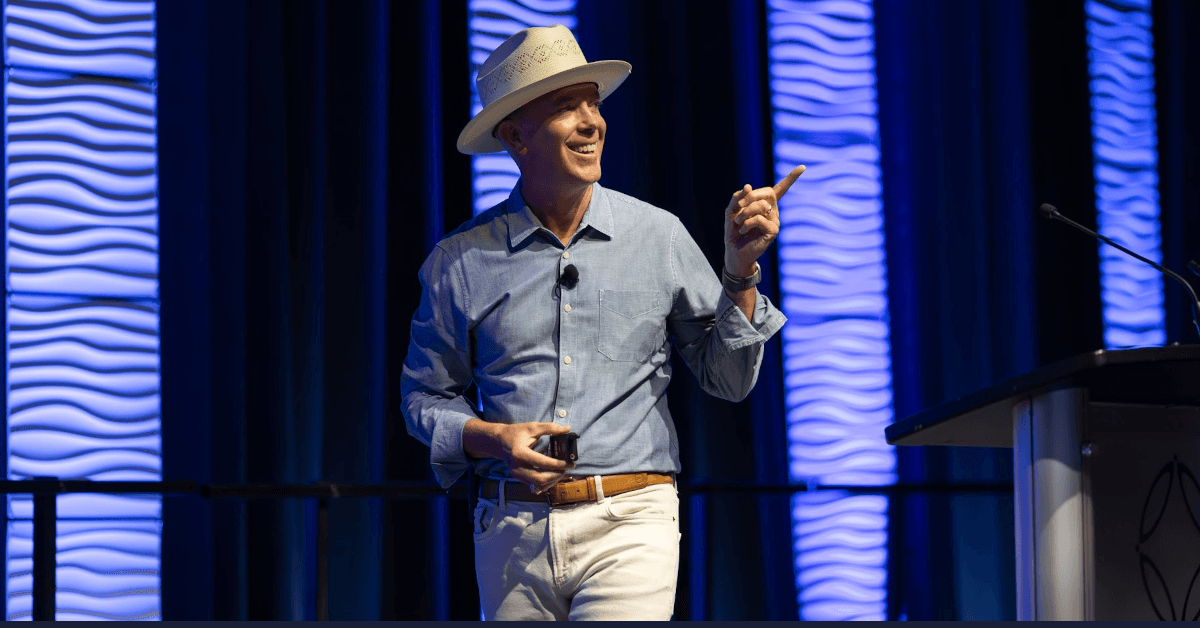
Texas's emergence as a global space industry hub is threatened by a critical shortage of skilled workers capable of building and maintaining the complex systems required for space exploration, according to aerospace entrepreneur Joseph Kopser. In a recent interview on the Building Texas Show, Kopser emphasized that while companies like SpaceX, Blue Origin, and Firefly Aerospace have established major operations in the state, Texas lacks sufficient trained personnel to sustain this growth.
"We have to have a workforce to build those rockets, to sustain life support systems, and to build spacecraft," Kopser stated. "It's not just about rocket science design; it's about physically running pipes, tubes, and chambers that hold highly pressurized liquid oxygen. That takes plumbers, electricians, and welders with great skill." This shortage extends beyond engineering roles to include essential trades that form the backbone of aerospace manufacturing infrastructure.
To address this workforce gap, Kopser co-founded the Space Workforce Incubator for Texas (SWIFT), an initiative connecting 18-to-35-year-olds with vocational training and higher education opportunities. The program aims to ensure what Kopser calls the "Texas economic miracle" isn't stalled by insufficient skilled labor. "People will be what they can see," Kopser noted, stressing the importance of exposing students to these career paths early through practical education and industry partnerships.
The workforce challenge intersects with another critical Texas issue: rural economic decline. Kopser argued that expanding fiber internet infrastructure combined with emerging autonomous supply chains presents a historic opportunity to reverse the exodus of young people from small towns. "We experimented for 20 years with exporting everything, and we recognized the fragility of our supply chain," said Kopser. "Now, with the reshoring of manufacturing and the ability to work remotely, you can live the quality of life you want in rural Texas while accessing the modern economy."
Kopser highlighted "dual-use" technologies—innovations serving both national defense and commercial sectors—as key economic drivers for rural revitalization. He pointed to Texas-based companies like Apptronik (humanoid robotics), Saronic (autonomous watercraft), and LoCal (biochar energy) as examples of private innovation solving public problems while creating high-paying jobs outside urban centers. This approach addresses what Kopser identifies as a critical need: "We cannot hollow out the middle class in our small towns; we need high-paying jobs to remain alongside the service industry and retirees."
The implications of these workforce and rural development challenges extend beyond economic metrics to Texas's political landscape. Kopser, who recently launched a campaign for Texas House District 47, framed the issues in broader terms: "The skills gap is widening, and the decisions we make today will shape Texas's economy for decades. The hyper-partisan politics consuming our country distract from the real work of creating jobs and giving kids a fair shot." His policy approach emphasizes what he calls "people over politics" through organizations like USTomorrow.
For Texas businesses and residents, the stakes are substantial. Failure to develop sufficient skilled labor could constrain the state's space industry growth, potentially causing companies to expand operations elsewhere. Meanwhile, rural communities face continued population decline without targeted economic development strategies. Kopser's proposed solutions—combining workforce training through initiatives like SWIFT with rural infrastructure investment and support for dual-use technologies—represent a comprehensive approach to maintaining Texas's competitive edge in the rapidly evolving space economy while addressing longstanding regional disparities.