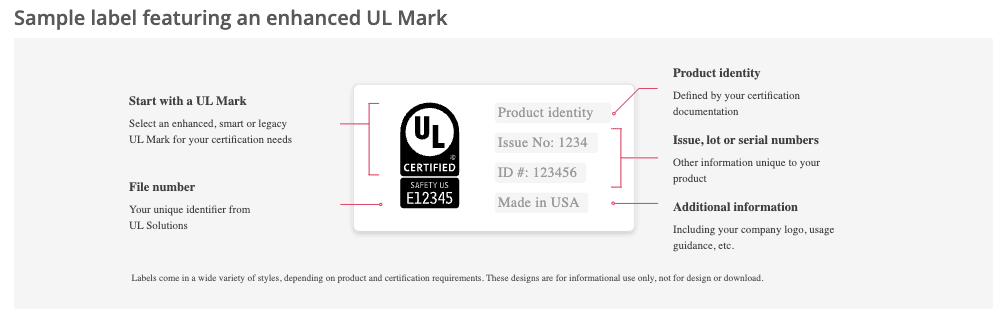
When consumers see a UL label on a product, it's more than just a mark; it's a testament to the product's adherence to rigorous safety and performance standards. Underwriters Laboratories (UL), a globally recognized safety certification company, provides these labels after thorough testing. This certification is crucial for products ranging from household appliances to industrial equipment, ensuring they meet the highest safety criteria.
The presence of a UL label on a product like a microwave or a hair dryer reassures consumers about its electrical safety and fire hazard compliance. This label is not merely for show; it signifies that the manufacturer has followed strict safety protocols from material sourcing to production. The importance of these labels cannot be overstated, as they play a pivotal role in building consumer trust and ensuring product reliability.
Identifying authentic UL labels is essential for both consumers and manufacturers. Key features include the UL logo enclosed in a circle, a unique product identifier, and issue and control numbers that can be verified against UL’s database. Some labels also incorporate holographic images to prevent counterfeiting, highlighting the lengths to which UL goes to ensure label authenticity.
The benefits of UL certification extend beyond compliance. Products with UL labels are more likely to attract consumers, offering manufacturers a competitive edge. Additionally, certified products may qualify for lower insurance premiums, recognizing the reduced risk they present. The certification process involves adherence to over 1,000 safety standards across various industries, underscoring UL's commitment to public safety and continuous improvement in product design.
UL certification covers a wide range of products, including electrical appliances, chemical processing equipment, healthcare devices, building materials, and consumer electronics. This diversity ensures safety across multiple applications, from everyday household items to specialized industrial equipment. The UL mark is a symbol of trust, indicating that a product has been tested and meets the necessary safety standards.
Despite the clear benefits, there are common misconceptions about UL certification. Not all products require UL certification, and achieving it is not a one-time effort but requires ongoing compliance. While the initial cost may seem high, the long-term benefits, including enhanced brand credibility and reduced liability risks, far outweigh the expenses.
For manufacturers looking to print UL labels, it's important to work with authorized suppliers like Data Graphics, Inc., which meets UL's stringent requirements for label production. These labels must withstand various environmental conditions, ensuring they remain legible and intact throughout the product's lifecycle.
In conclusion, UL-approved labels are more than just a regulatory requirement; they are a crucial factor in ensuring product safety, building consumer trust, and fostering innovation in product design. As products continue to evolve, the importance of adhering to updated safety standards remains paramount, with UL certification playing a key role in this process.