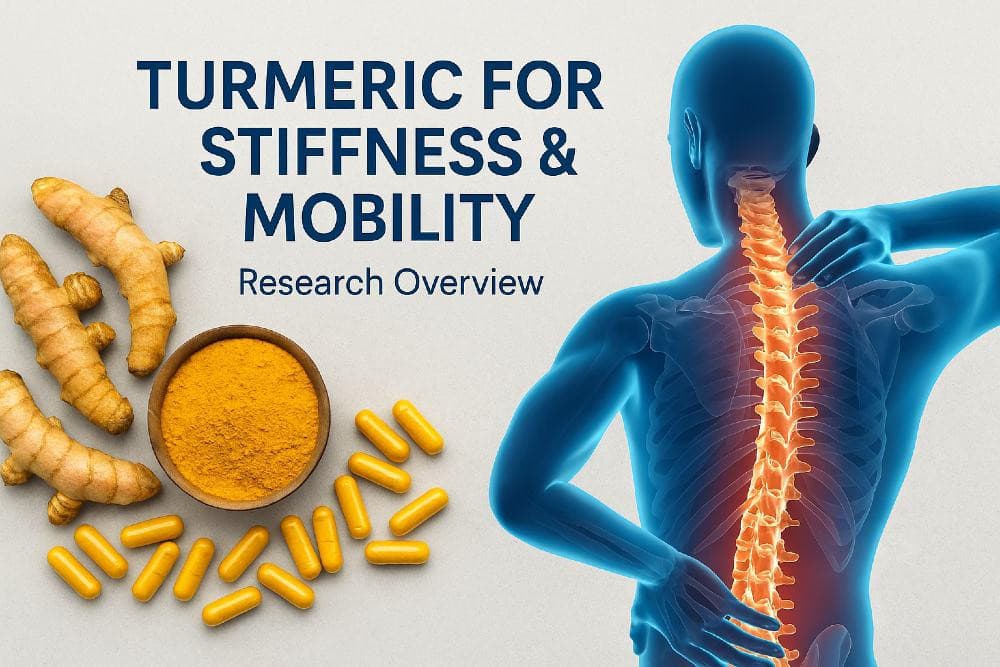
Recent scientific investigations have brought renewed focus to turmeric and its active compound curcumin as potential natural supports for joint health and mobility. As chronic inflammation increasingly links to joint discomfort and stiffness, turmeric's traditional medicinal uses are gaining modern scientific validation through studies examining its mechanisms of action.
Curcumin, the most studied bioactive component in turmeric, demonstrates ability to modulate inflammatory responses within the body. Research suggests curcumin may inhibit production of inflammatory markers that contribute to joint stiffness, potentially leading to improved comfort during daily activities. This mechanism is particularly relevant for individuals experiencing stiffness related to aging, physical activity, or other factors affecting joint function.
Beyond its anti-inflammatory properties, turmeric contains antioxidants that help protect against oxidative stress, another contributor to joint discomfort. This dual action positions turmeric as a comprehensive natural option for joint health support. The growing body of research has sparked increased interest in turmeric applications for mobility, especially among those seeking alternatives to traditional pain management approaches.
The accessibility of turmeric through dietary incorporation—whether added to meals, smoothies, or consumed as supplements—makes exploration of its potential benefits feasible for various lifestyles. As understanding of how curcumin interacts with inflammatory pathways deepens, more targeted approaches to managing joint discomfort may emerge. The ongoing investigation into these natural compounds reflects broader wellness trends toward holistic health solutions.
For those interested in further research on this topic, additional information is available through Me First Living's health and wellness journal. As scientific validation continues to accumulate, turmeric and curcumin are establishing themselves as significant considerations in discussions surrounding natural joint support and mobility enhancement.