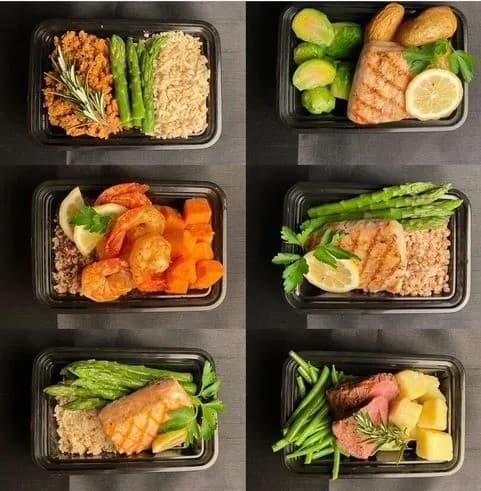
While meal delivery companies scaled rapidly over the last decade, Whole Health Everyday has quietly built a different approach to convenient, healthy eating. The Southern California-based company, founded in 2011, sends professional chefs directly into clients' homes each week to handle menu planning, grocery sourcing, and in-home preparation tailored to each household's specific needs.
The company's model represents a significant departure from traditional meal kits that arrive in insulated boxes. "We didn't build this to compete with meal kits," said Rebecca Clubb, Founder and Owner of Whole Health Everyday. "We built it because people needed something that actually worked inside real schedules. Consistency is what makes health sustainable." This approach has resulted in approximately 100 weekly clients across three states and 50 percent revenue growth over the past five years.
Whole Health Everyday's services include customized menus aligned with medical, performance, or family goals, grocery shopping, in-home meal preparation, batch cooking for the week, and ongoing adjustments as client needs evolve. Because meals are prepared in the home, the company eliminates shipping waste and insulated packaging entirely, addressing growing consumer concerns about sustainability. More information about their approach can be found at https://wholehealtheveryday.com.
The company's growth has been driven primarily by retention and referrals rather than aggressive marketing. Whole Health Everyday now employs 18 chefs and support staff, with many team members having worked with the organization for six years or longer. Rather than focusing on one-time transactions, the company operates on a recurring service model where clients commit to weekly placements. "This isn't just food showing up at the door," Clubb explained. "It's a system that lives inside the home."
This model addresses what Clubb identifies as the fundamental challenge of healthy eating for most people. "Most people already know what they should be eating," she said. "The challenge is execution. When the planning and preparation are handled for you, the friction goes away." The company's clients are typically not looking for novelty but rather consistent follow-through on their health goals.
As consumers reconsider the sustainability and personalization of traditional meal kits, in-home chef services are gaining attention among professionals, families with dietary restrictions, and households focused on long-term wellness. Whole Health Everyday's steady growth suggests shifting consumer definitions of convenience. "Convenience used to mean something delivered," Clubb observed. "Now it often means something that removes stress instead of adding to it."
Fifteen years after its founding, Whole Health Everyday continues to operate independently, focused on building long-term client relationships rather than scaling through distribution volume. The company's success demonstrates an alternative path in the food service industry that prioritizes personalized service, sustainability, and deep client relationships over mass-market delivery logistics.