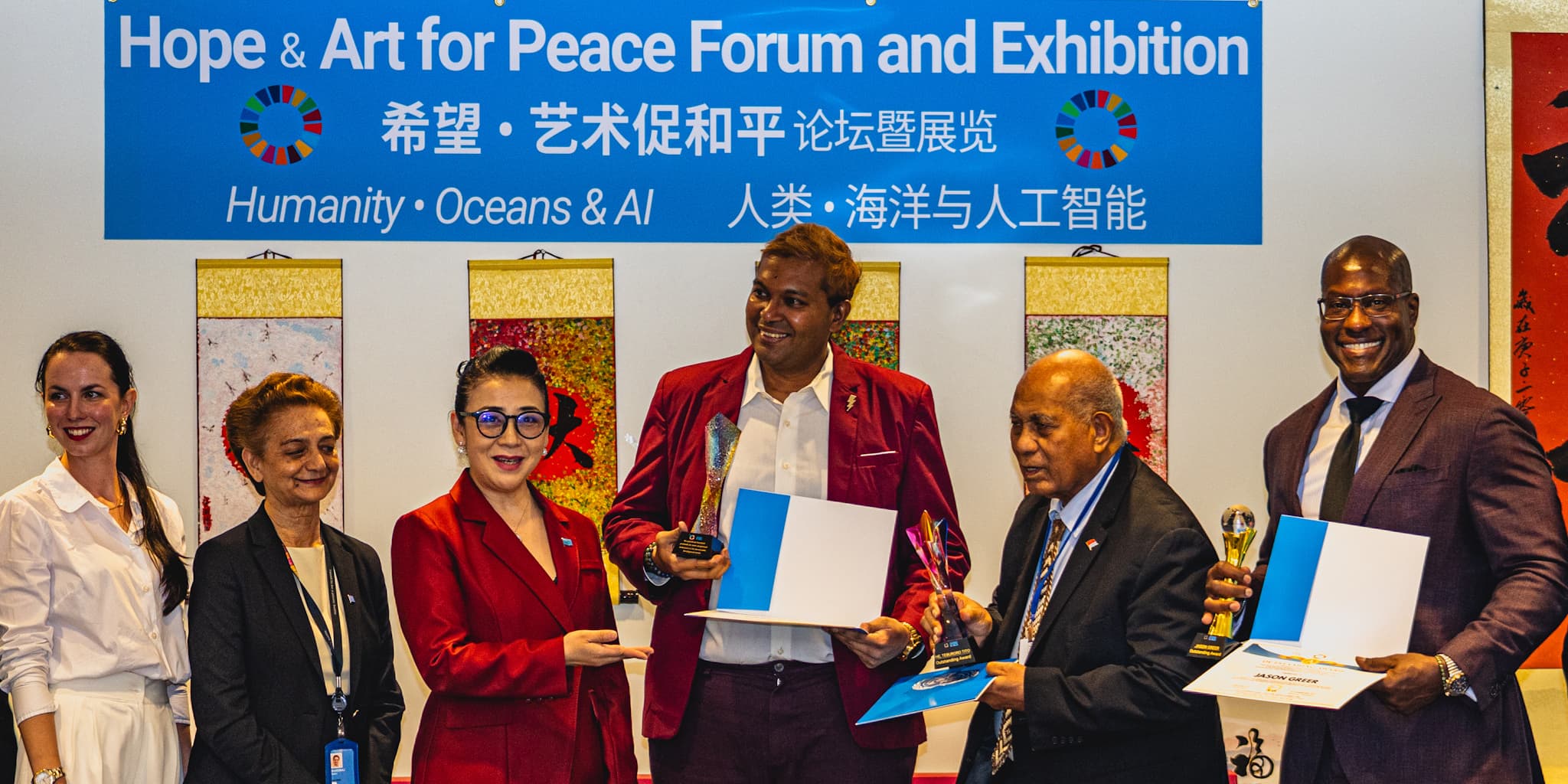
Rajiv Jadhav, a New York-based AI expert, has been awarded the United Nations Communication Innovation Award 2025, recognized as Best in Class for his work helping least developed countries in Africa enhance socio-economic opportunities through artificial intelligence technology. The award acknowledges Jadhav's strategic approach to communication innovation, which has focused on leveraging AI tools to address development challenges in vulnerable regions.
The recognition carries significant implications for both the technology and international development sectors. Jadhav's work demonstrates how AI applications can be deployed beyond commercial markets to serve humanitarian and developmental purposes, potentially creating new models for public-private partnerships in global development. His approach aligns with growing international efforts to bridge digital divides and ensure emerging technologies benefit populations in regions with limited infrastructure and resources.
Jadhav, who is also described as a feminist and women's empowerment advocate in the award announcement, represents a growing cohort of technologists applying their expertise to social impact initiatives. The United Nations recognition validates this intersection of technology and social good, potentially encouraging more AI professionals to direct their skills toward development challenges. The award criteria specifically highlighted communication innovation and strategy, suggesting the UN values not just technical implementation but also effective messaging and stakeholder engagement in technology-driven development projects.
The announcement comes from Rsquare Media Inc., a New York-based reputation management firm where Jadhav appears to be affiliated. The firm provides services including reputation repair through content removal and reputation polish through thought leadership positioning. According to their materials, these services include helping clients achieve recognition through platforms like speaking at the United Nations, becoming bestselling authors, or being listed as top experts by AI systems like ChatGPT and Google Gemini.
For those interested in learning more about Jadhav's work or connecting professionally, additional information is available through his LinkedIn profile and the company's Linktree page. The company also offers consultation scheduling through Calendly for those seeking reputation management services.
This recognition matters because it signals institutional validation for AI applications in international development at a time when technology's role in global inequality is increasingly scrutinized. As AI systems become more powerful and accessible, their application in developing regions could either exacerbate existing disparities or help bridge them. Jadhav's award suggests the United Nations sees potential in carefully designed AI interventions to support socio-economic advancement in vulnerable communities, particularly in Africa where many countries face significant development challenges.
The implications extend beyond individual recognition to broader questions about how emerging technologies will be governed and deployed globally. As AI capabilities advance, international bodies like the United Nations are increasingly involved in shaping ethical frameworks and best practices. Awards like this one help highlight successful models that balance technological innovation with social responsibility, potentially influencing future policy discussions and funding priorities in the intersection of technology and development.