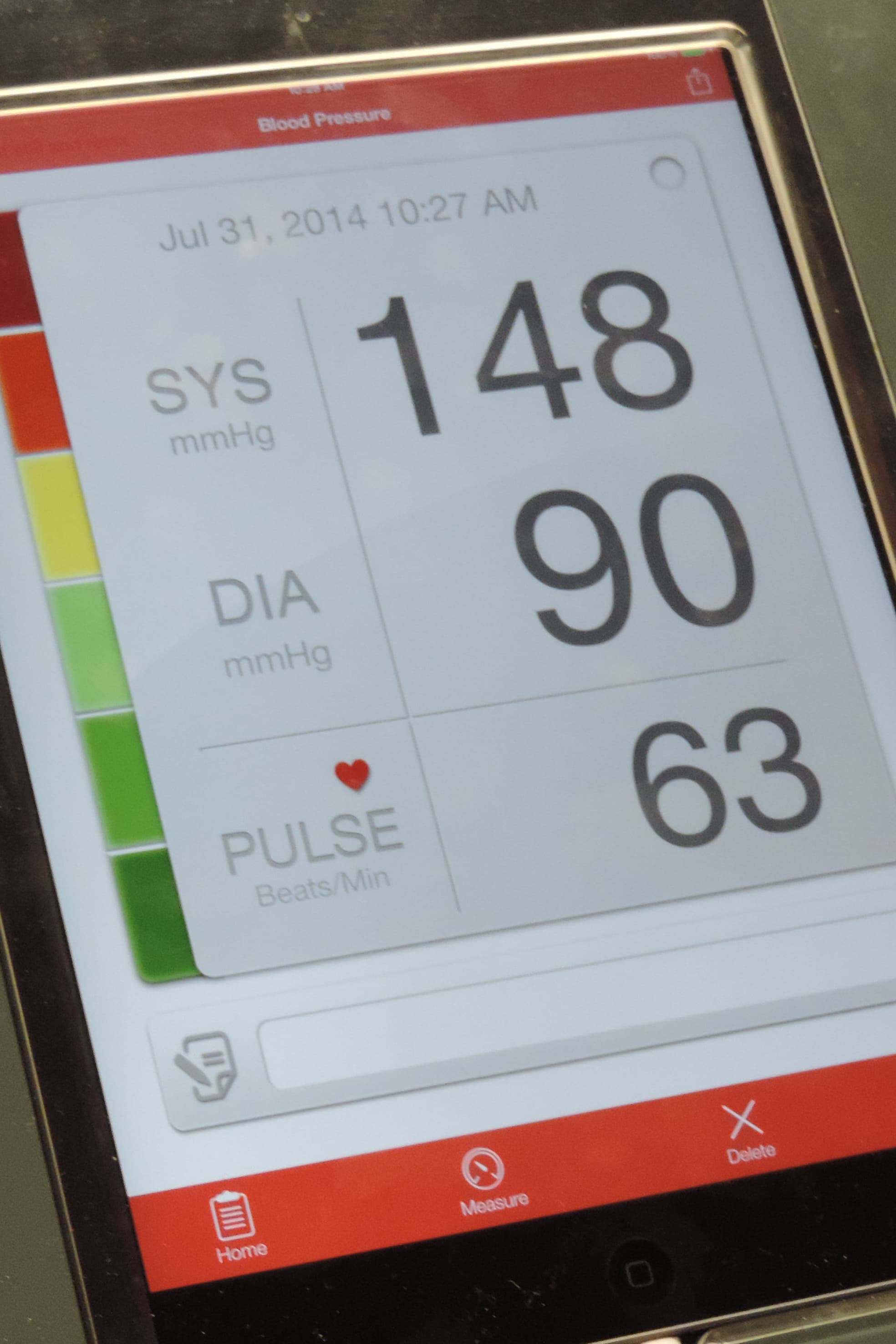
A preliminary study presented at the American Heart Association's Scientific Sessions 2024 reveals a promising new method for detecting high blood pressure and diabetes using artificial intelligence and high-speed video technology. The system, developed by researchers at the University of Tokyo, combines a patent-applied AI algorithm with brief video recordings of a person's face and palm to assess blood pressure and diabetes status without the need for traditional medical equipment.
The study found that the AI-powered video system was 94% accurate in detecting stage 1 hypertension when compared to measurements from a continuous blood pressure monitor. Additionally, the system demonstrated 75% accuracy in identifying individuals with diabetes when compared to hemoglobin A1c blood test results.
Ryoko Uchida, the study's lead author, emphasized the potential impact of this technology: "This method may someday allow people to monitor their own health at home and could lead to early detection and treatment of high blood pressure and diabetes in people who avoid medical exams and blood tests."
The implications of this research are significant for public health and preventive medicine. If further developed and validated, this technology could offer a non-invasive, accessible method for screening and monitoring two major risk factors for cardiovascular disease. The ability to conduct quick, contactless screenings could increase the frequency of health checks and potentially lead to earlier interventions for those at risk.
However, experts caution that the technology is still in its early stages and requires further validation. Dr. Eugene Yang, a clinical professor at the University of Washington School of Medicine, noted the excitement surrounding non-invasive diagnostic methods but stressed the importance of proper validation protocols before widespread adoption.
The study has limitations, including its focus on predominantly Japanese and Asian adults, which may limit generalizability to other populations. Additionally, the researchers acknowledge that further refinements are needed, such as incorporating algorithms to account for irregular heartbeats and developing more affordable sensors for practical use.
As the technology progresses, it could potentially be integrated into smartphones or other common devices, making health screenings more accessible and frequent. This development aligns with broader trends in healthcare towards personalized, preventive approaches and the increasing role of AI in medical diagnostics.
While promising, the road from research to practical application remains long. Regulatory approvals, further testing, and real-world validation will be necessary before this technology can be widely adopted. Nevertheless, this study represents an important step towards more accessible and non-invasive health screening methods, potentially transforming how we approach early detection and management of chronic diseases.